









A Soft Glimpse of Living Heritage
Guizhou is one of China’s most ethnically diverse provinces, where Miao, Dong, Buyi , and many other communities have shaped the misty highlands for centuries. In Qiandongnan, culture is not only preserved in villages, but also in ancient post roads , temple courtyards, river ports, local markets, and everyday craftsmanship.
Here, Miao embroidery , batik, silver ornaments, sour fish soup, river festivals, and Ming–Qing architecture all carry regional memory. Between the quiet spirituality of mountain temples and the trading history of the Qingshui River, Qiandongnan reveals a softer side of Guizhou — living heritage shaped by faith, craft, trade, and local life.
Our Itinerary
1-Day Trip
Feiyun Cliff
The Foremost Wonderland of Central Guizhou
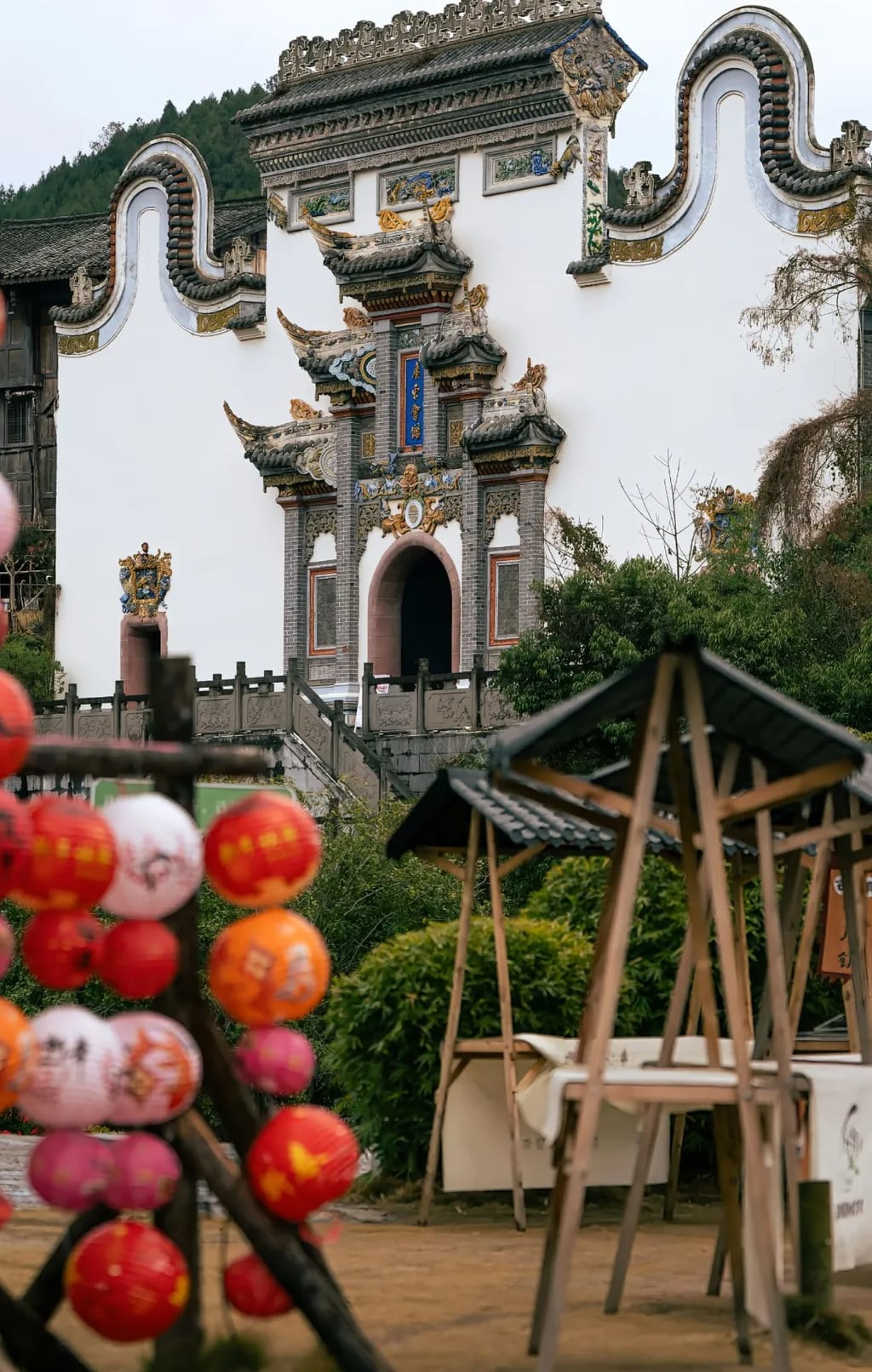
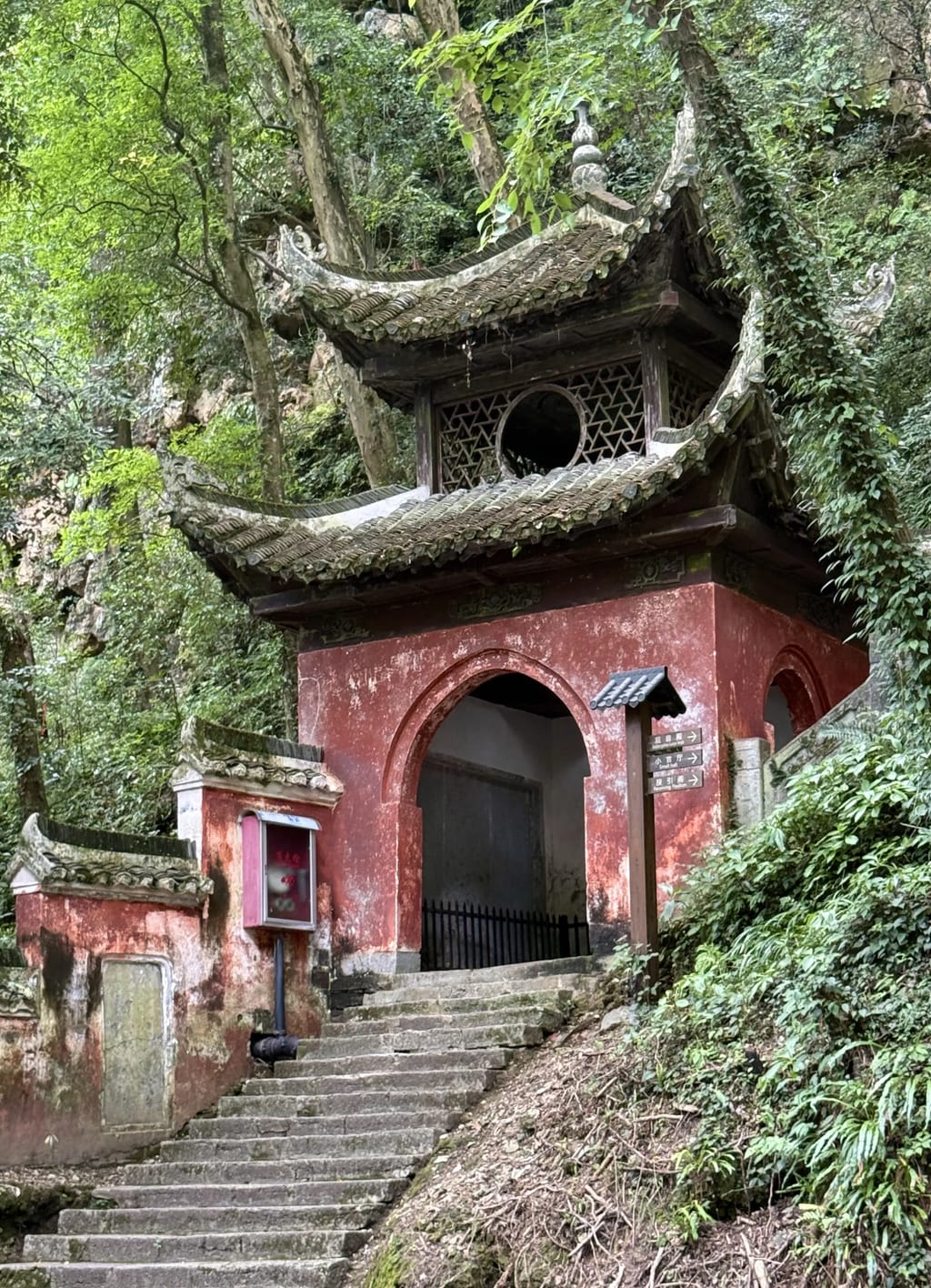
In the misty hills southeast of Huangping, Feiyun Cliff has watched over the Yun–Gui post road for six centuries . Founded in 1443, it earned the name “The Foremost Wonderland of Central Guizhou” , where karst peaks and pavilions blur the boundary between temple and landscape .
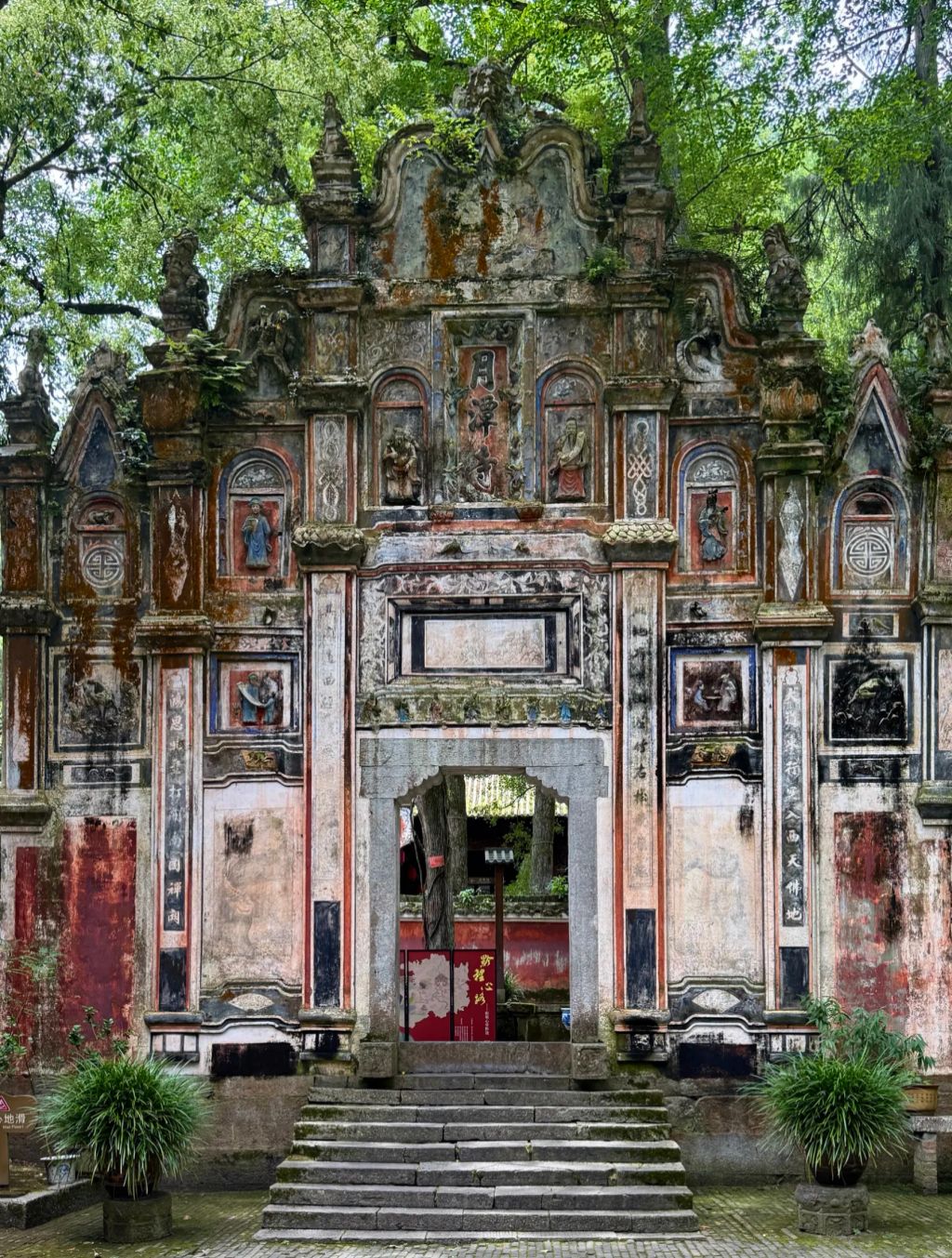
As the path winds inward, the site unfolds as a Ming–Qing complex . The Great Buddha Hall, Moon Pond Pavilion, archways, wells, and tablets sit quietly among trees and courtyards, underscoring its protected status .
Paths wind beneath banyan and camphor trees, across bridges, and into courtyards where water drips. Carved beams and inscriptions hint at Buddhist devotion , Confucian learning, and Miao–Han exchange —echoes of scholars, officials, merchants, and pilgrims paused along the road.
The seasons shift: spring brings camellias and blossoms, while autumn sets the cliffs aglow. Best enjoyed unhurried, Feiyun Cliff is a quiet pause between Guizhou’s villages and towns—where history, landscape, and spirituality remain intertwined.
Kaili Xiulitao Intangible Heritage Market
Where Miao Embroidery and Silver Come to Life
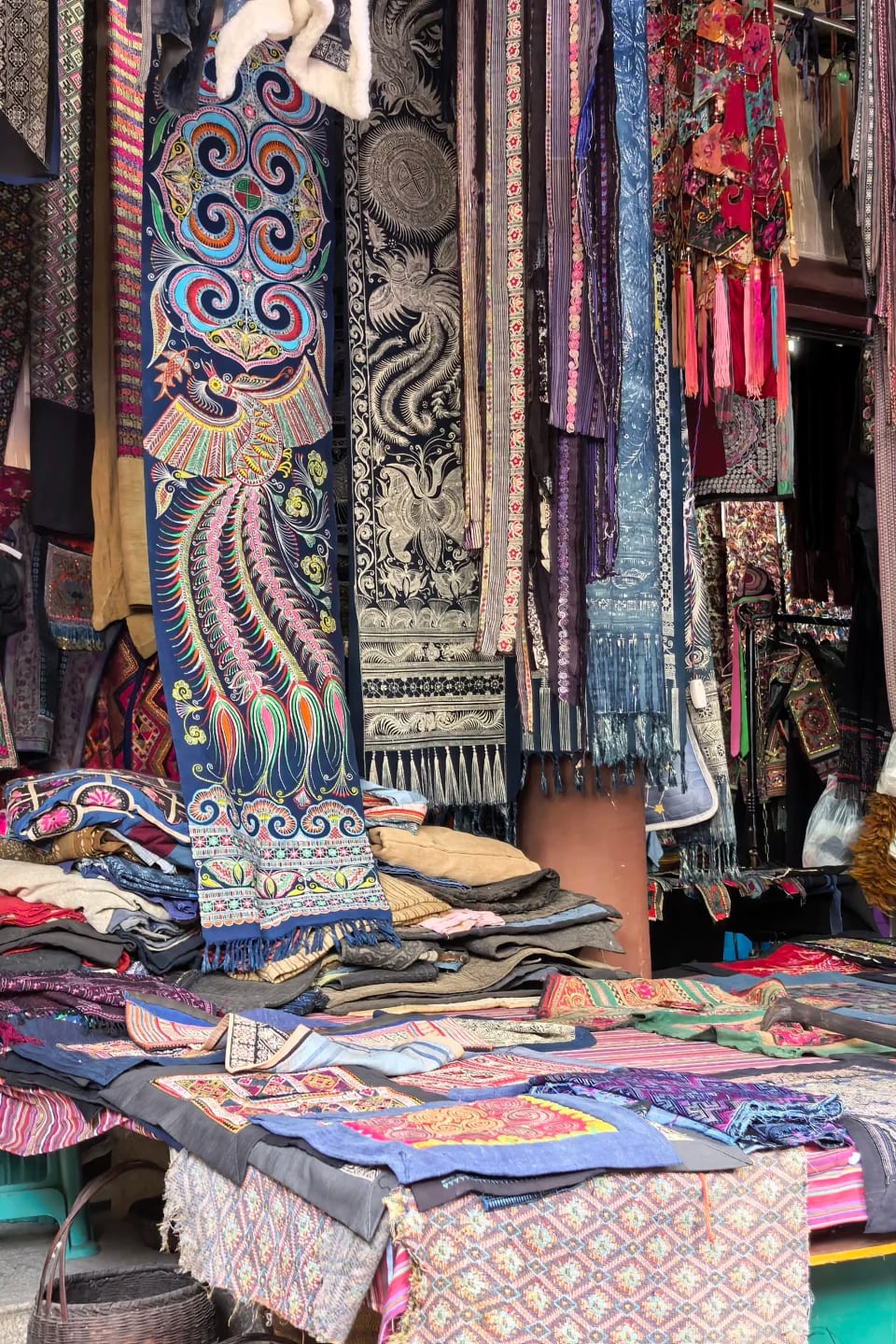
Xiulitao is a lively hub for intangible cultural heritage , local craftsmanship , and culture‑tourism shopping. Opened in 2023, it brings together artisans and craft sellers from across Kaili, creating a vibrant marketplace for traditional crafts from southeastern Guizhou.
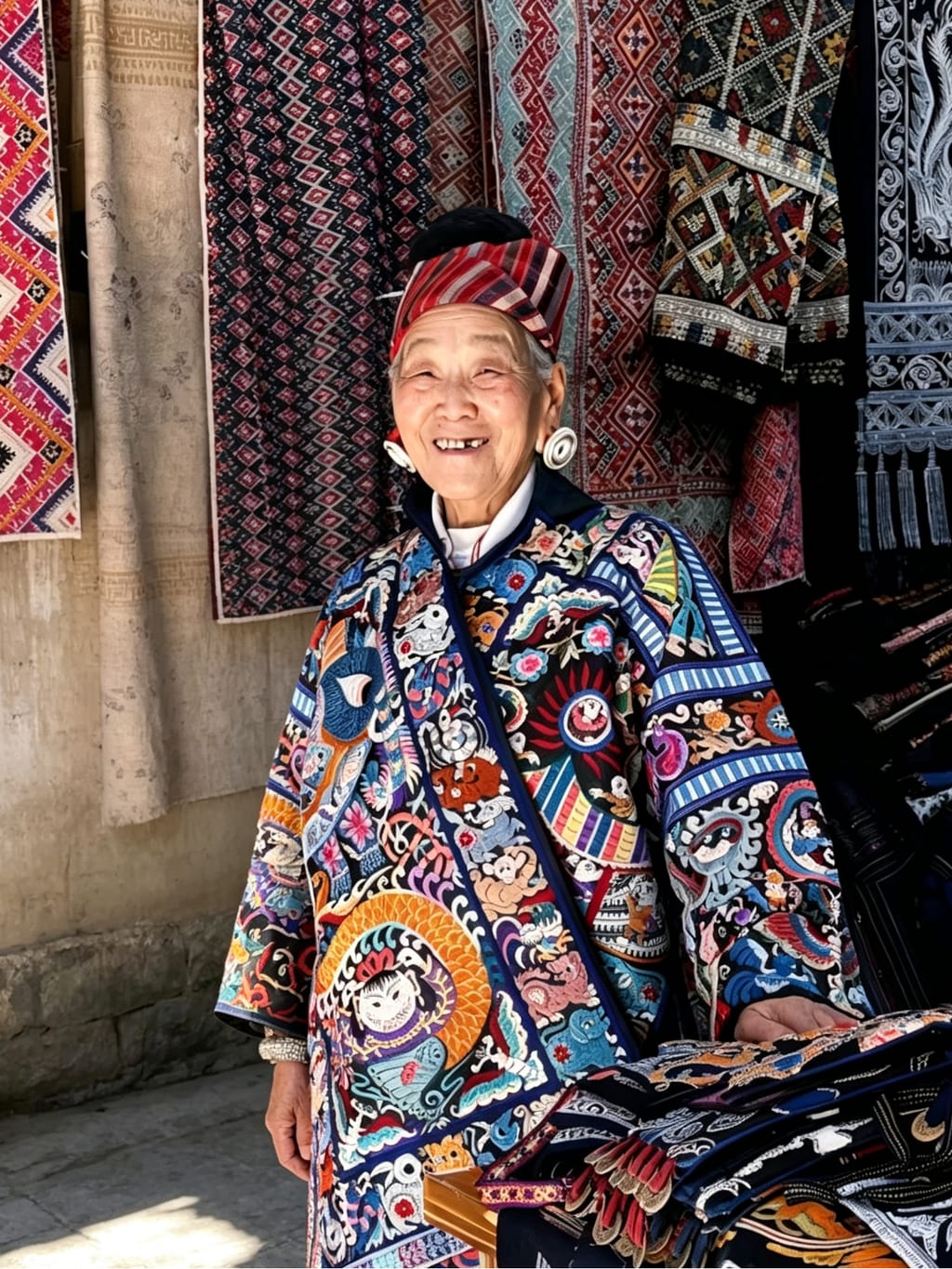
The market offers Miao embroidery , batik , silver ornaments , textiles, accessories, and other heritage‑inspired goods. Many stalls are run by embroiderers, silversmiths, and local artisans, giving each piece a strong regional identity in its patterns, colors, materials, and techniques.
Xiulitao makes shopping a cultural experience . Visitors browse embroidery fragments , accessories, batik fabrics, and silver jewelry while learning their stories. An embroidery piece may come from traditional clothing, while a silver ornament can reflect Miao aesthetics and heritage.
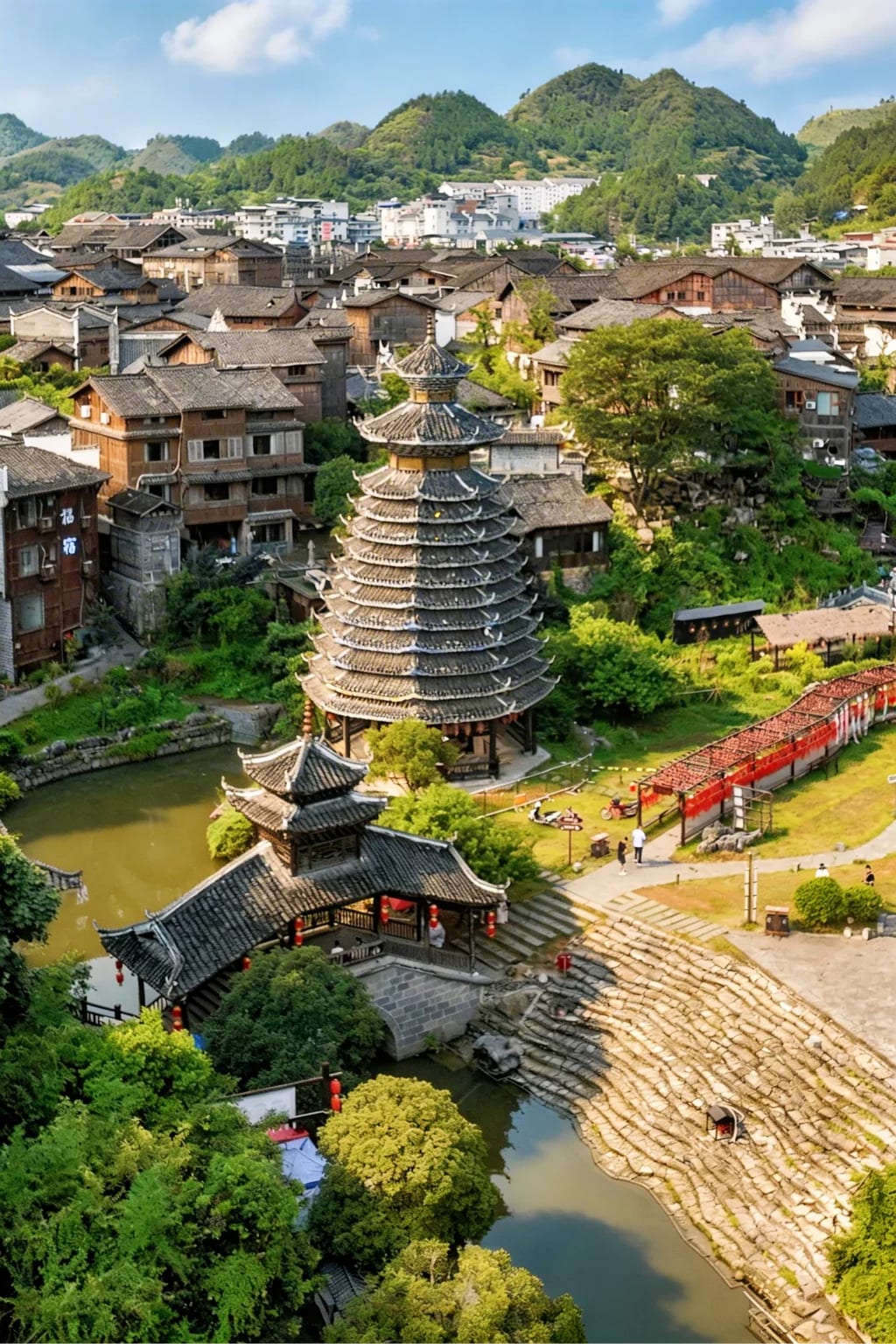
The Miao-Dong Cultural Park adds atmosphere with drum towers, wind-and-rain bridges, and covered corridors. The market also ties into “Village T” fashion shows , costume displays, and performances, making it a vivid stop for travelers seeking Qiandongnan’s craft culture without entering remote mountain villages.
Xiasi Ancient Town
The Pearl of the Qingshui River
Along the Qingshui River , Xiasi Ancient Town was once a bustling Ming–Qing river port , drawing merchants from Sichuan, Hunan, and Guangxi. At its peak, docks, guild halls, and temples formed a lively hub—called the “Little Shanghai” of the Qingshui River.
Today, Xiasi carries that history. Cobbled lanes , old docks, Ming–Qing homes, and ancestral halls show Miao, Dong, and Han influences — carved eaves , whitewashed walls, stone archways, and alleys opening onto water. Rather than spectacle, visitors encounter its past through architecture, life, and the river.
Xiasi is also rich in ethnic culture . Local markets feature textiles, silver ornaments, and Miao embroidery , while teahouses serve sour fish soup , rice wine, and other regional flavors. The town is also home to the Xiasi Dog, a renowned hunting breed recognized as an item of intangible cultural heritage .
The Qingshui River shapes Xiasi’s rhythm along the waterfront. Stone lanes, docks, hills, and boats create a riverside scene. During the Dragon Boat Festival , wooden boats slice across the water as drums and songs revive the old port. Xiasi offers a quiet window into Qiandongnan’s history and riverside life.