








Into the Mountain Villages and Living Heritage of Qiandongnan
Guizhou is one of China's most ethnically diverse provinces, home to Miao, Dong, Buyi and over a dozen minority groups who have shaped these misty highlands for centuries. Stilted villages cling to mountainsides, silver headdresses glint in festival firelight, and the Dong Grand Song — a UNESCO Intangible Cultural Heritage — echoes through valleys untouched by mass tourism.
This route journeys into Guizhou's Qiandongnan heartland — from the 600-year-old Miao village of Langde and its blocking-road wine ritual, through Dong villages where drum towers, wind-and-rain bridges, and indigo-dyeing remain living practice, to the breathtaking Jiabang Rice Terraces — a FAO-recognized heritage landscape where mist, mountains, and centuries of cultivation compose a stunning panorama. Living heritage , not a museum.
Our Itinerary
4-Day Trip
Day 1 · Miao Terraces & Ancient Papermaking
Gaoyao Rice Terraces
A Golden Miao Tapestry Draped Across the Clouds
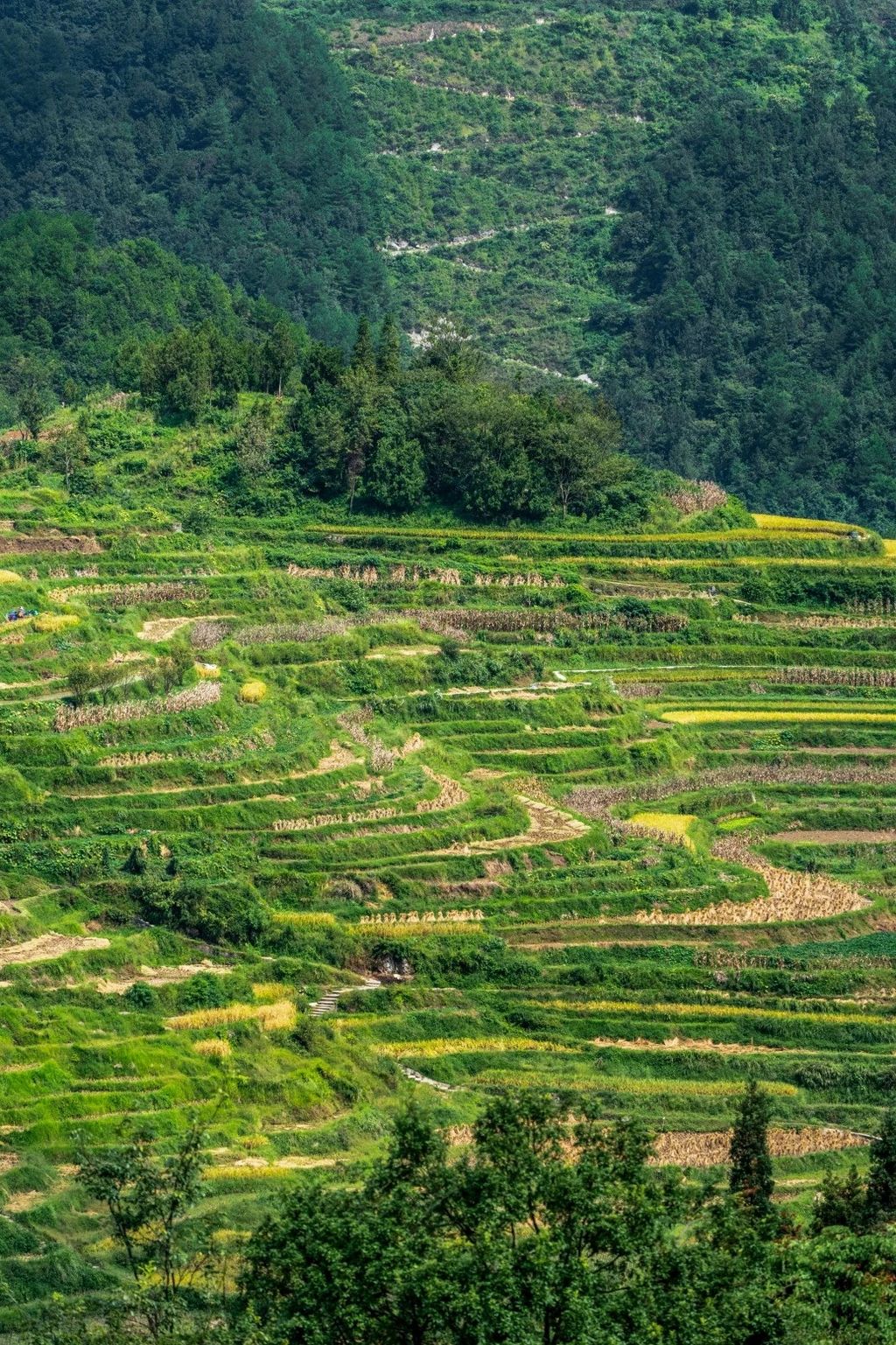
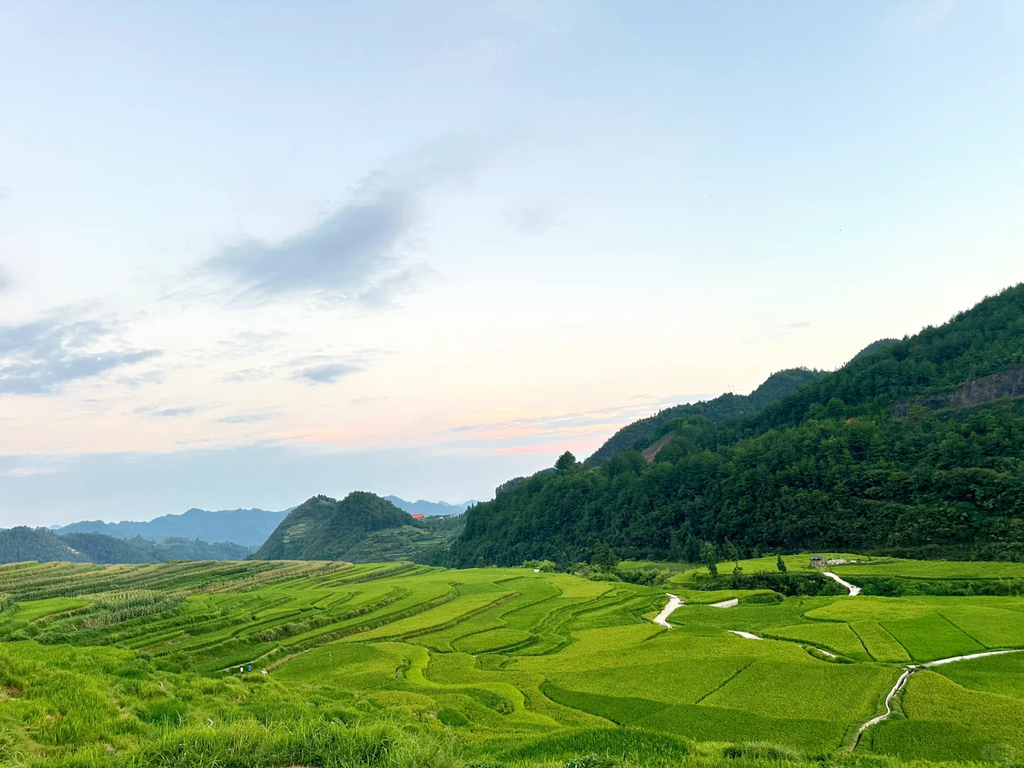
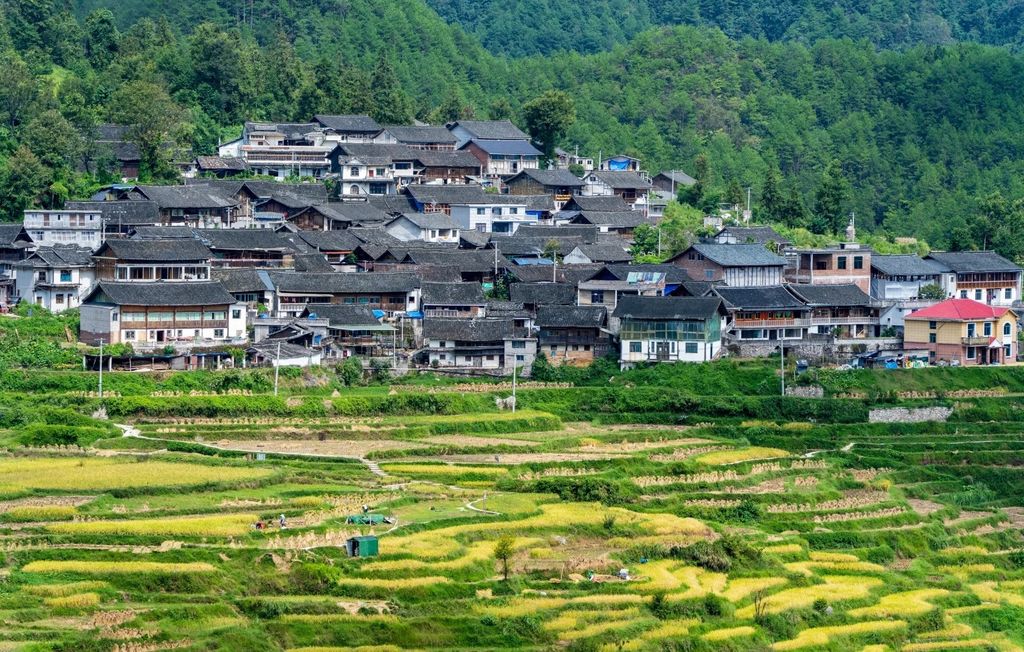
In Danzhai County, Qiandongnan , the Gaoyao Rice Terraces tumble nearly 1,200 meters to the valley. Covering a thousand acres, they undulate like shimmering Miao embroidery belts —sculpted over centuries by Miao farmers into Guizhou’s finest land art.
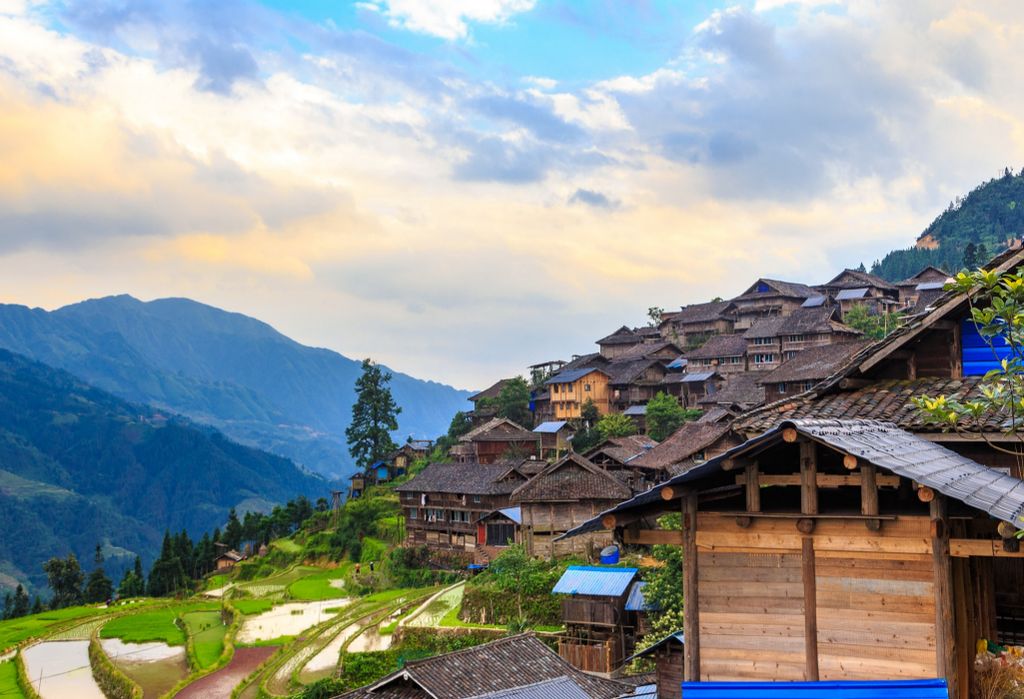
At their heart is Gaoyao Miao Village , where wooden stilt houses (diaojiaolou) dot the fields. Unlike Guizhou’s more commercialized Miao destinations, Gaoyao remains a living, working village , shaped by terraced rice, batik, silver-making, and lusheng songs—with visitors wandering from viewpoints into its unhurried rhythm.
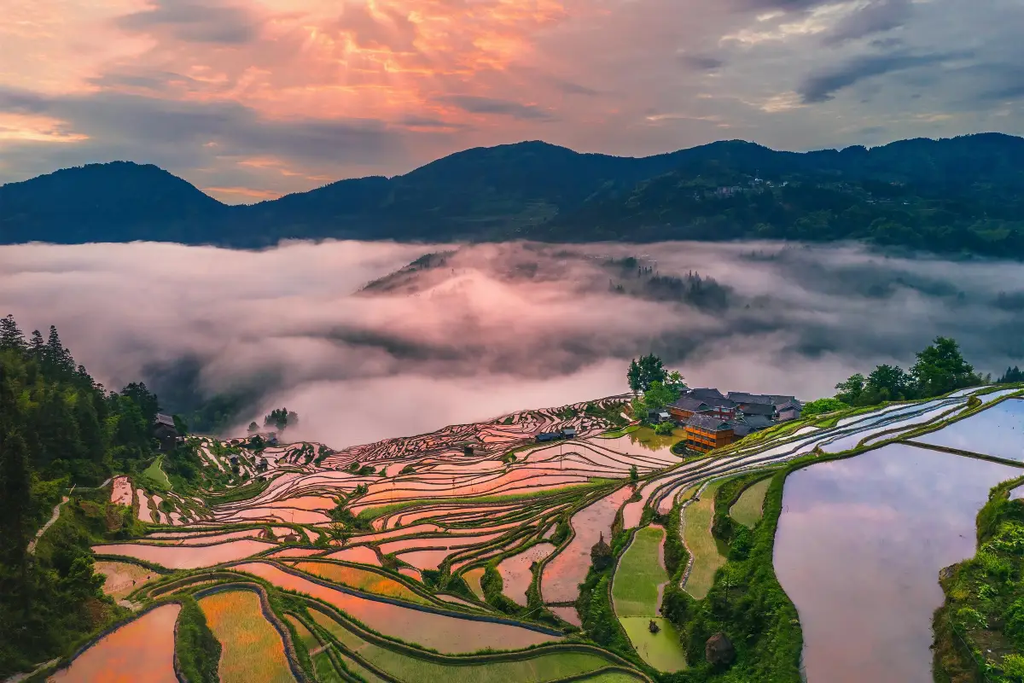
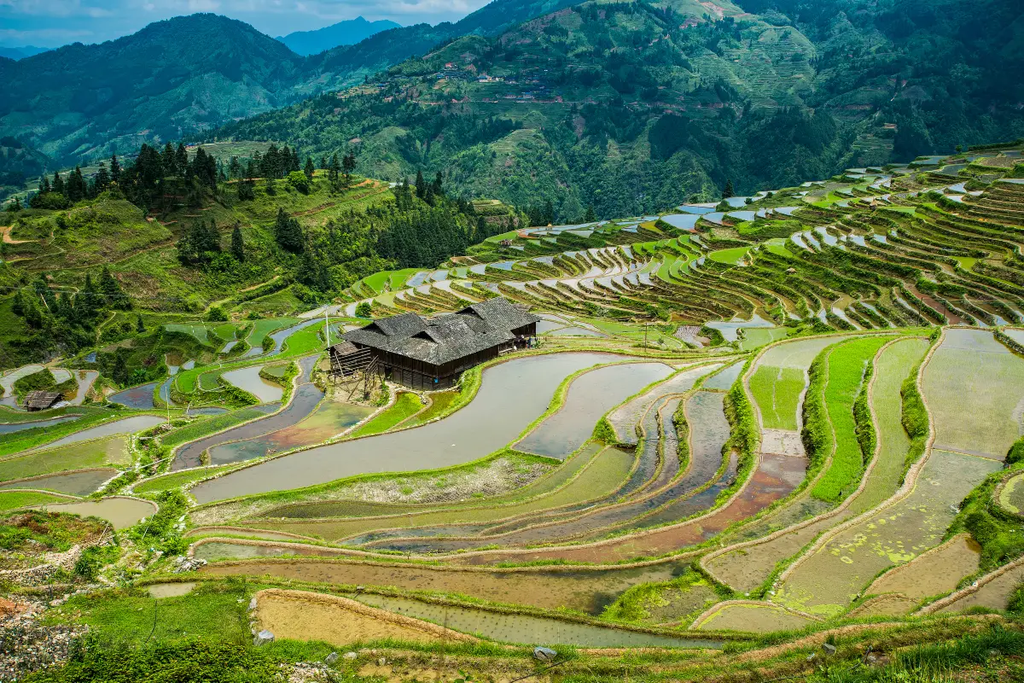
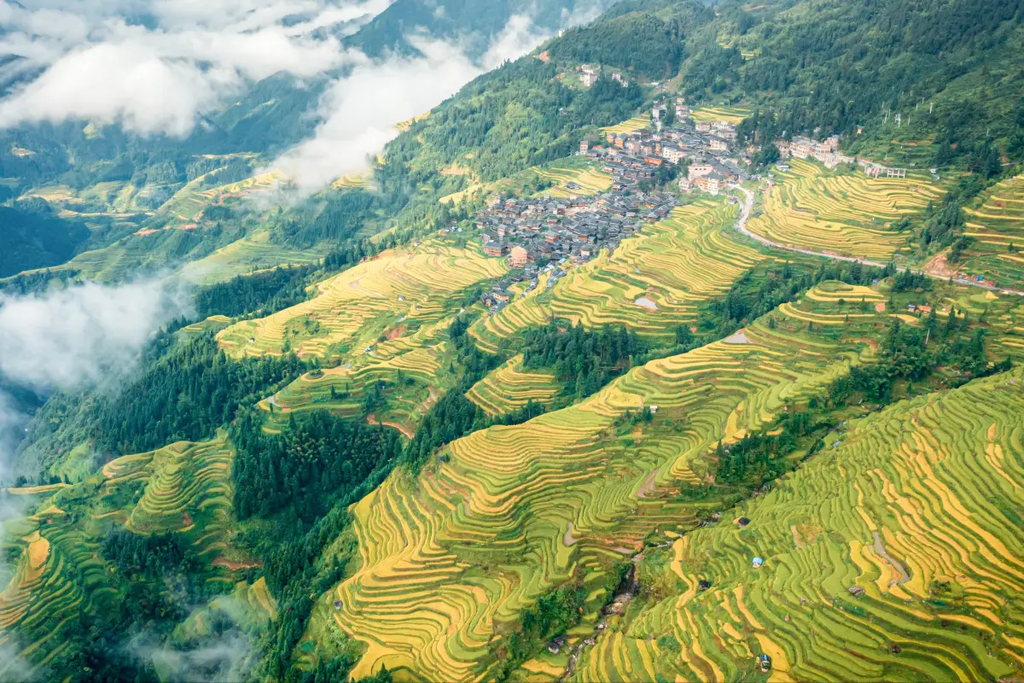
Each season paints the terraces. In spring , the flooded fields mirror the sky; in summer , emerald rice ripples across the slopes; autumn ignites the mountainsides; in winter , mist drifts over the resting terraces, lightly dusted with snow. Sunrise and sunset are the most magical hours — when the fields seem to glow from within.
Featured in National Geographic and CCTV, Gaoyao is hailed as Guizhou's most elegant "hidden" terrace — an intimate counterpart to Jiabang and Longji. Anchored by an authentic Miao village, Gaoyao offers a rare, unhurried dialogue between humanity, nature, and time.
Shiqiao Village
Where Ancient Papermaking Lives On
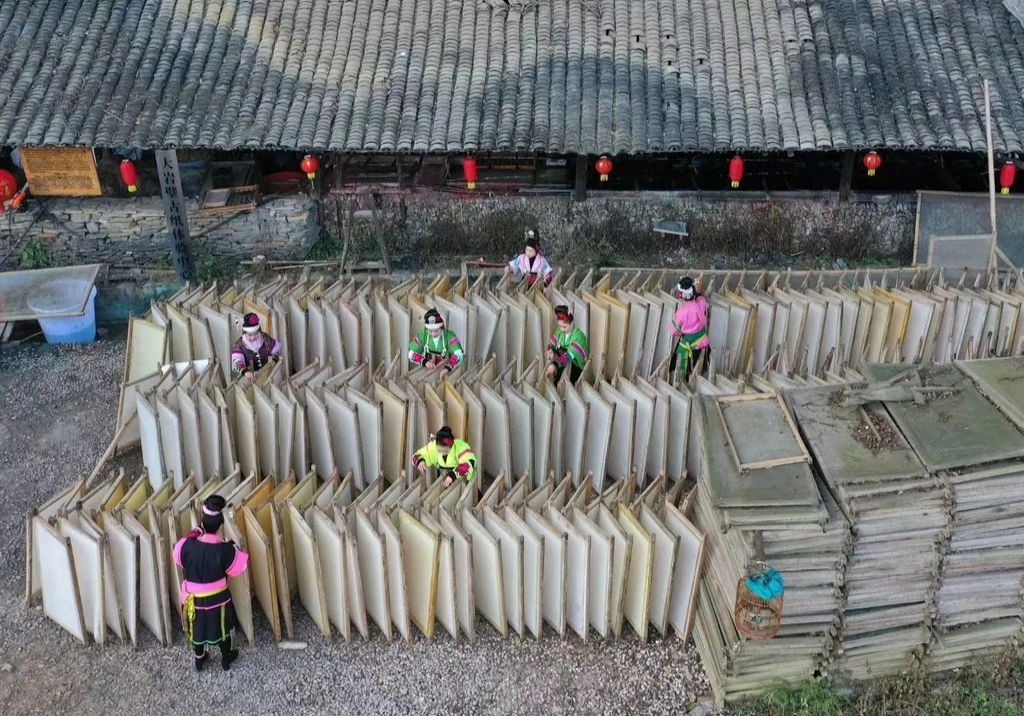
Tucked in Danzhai, Shiqiao Village is one of China’s living heritage sites, famed for its thousand-year-old papermaking tradition . In 2006, its Miao craft joined China's first National Intangible Cultural Heritage List —a lineage from Cai Lun’s Han Dynasty, kept alive through generations.
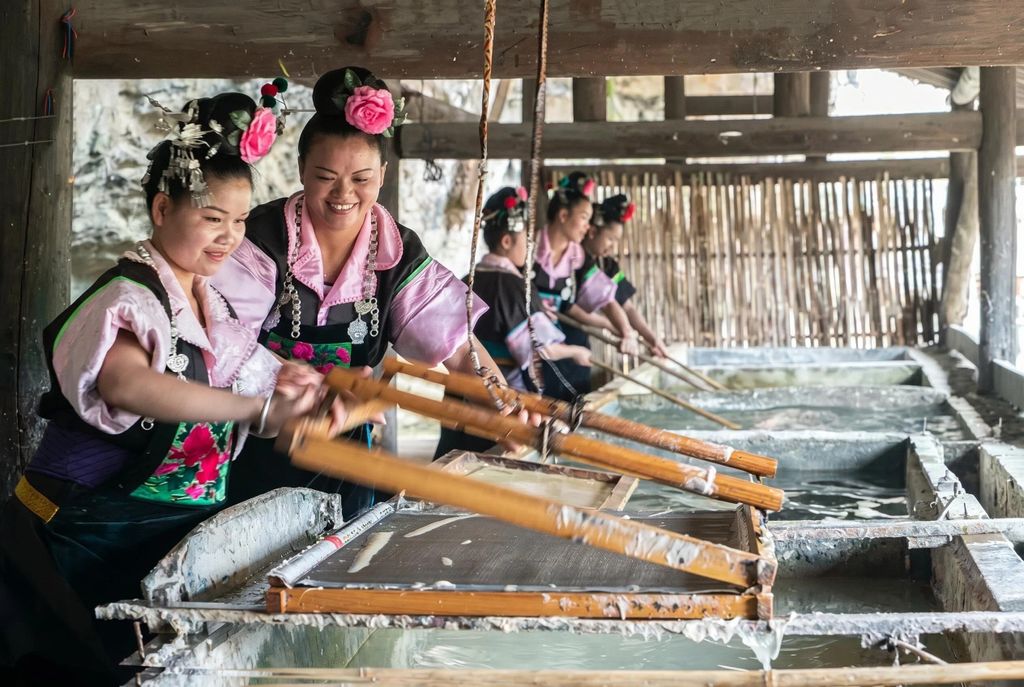
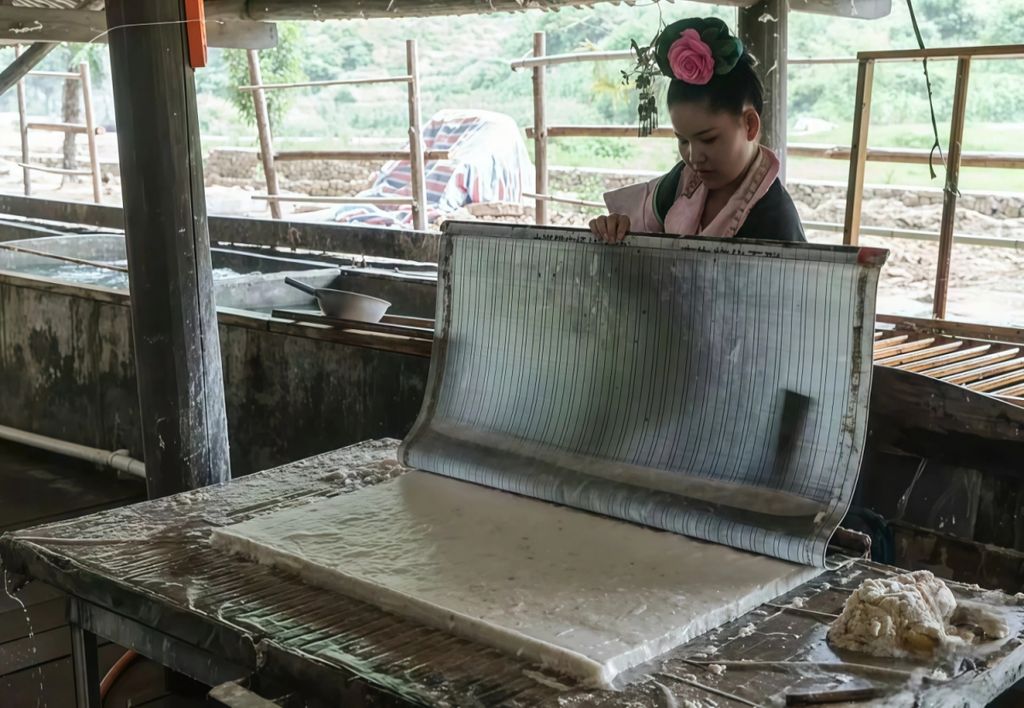
Making Shiqiao paper is slow and meditative. Wild mulberry bark is soaked, boiled in lye, and pounded into pulp with stone mallets; the sheets dry on bamboo screens. No chemicals. No machines. No shortcuts. Once an imperial tribute, it is prized for its silk-smooth finish and resilience.
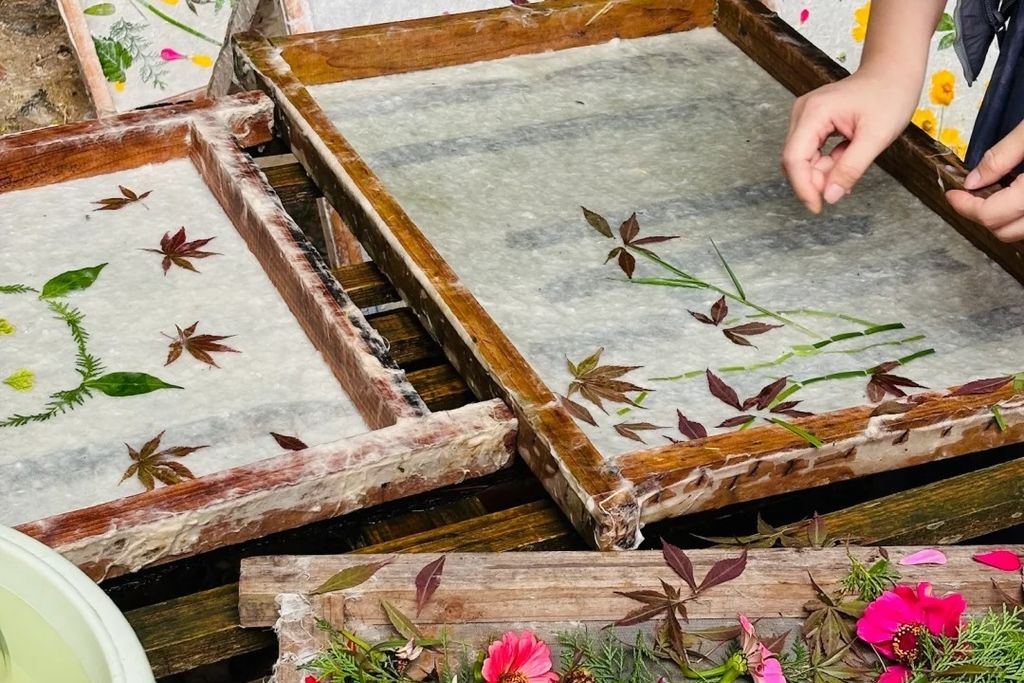
What sets Shiqiao apart is its botanical paper —sheets pressed with wildflowers, ferns, and mosses. Each is unrepeatable, capturing the gorge’s flora. These flower-and-grass papers are among Guizhou’s most coveted souvenirs, carrying the mountains’ scent and centuries of tradition.
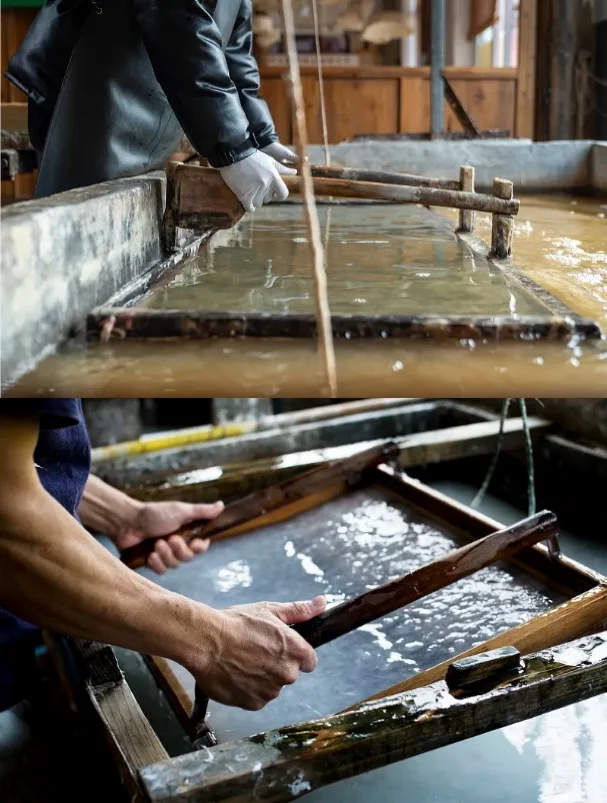
Centuries-old timber stilt-houses line cobblestone lanes, their eaves hung with drying corn and chili; trails wind through the gorge past mulberry groves and waterfalls. Families welcome visitors to try scooping paper themselves , press flowers into the pulp, and take a piece home.
Shiqiao Ancient Papermaking Experience
Crafting Paper with Flowers, Bark, and Time
In Shiqiao Village, guests step into a living heritage site—the birthplace of a thousand-year-old Miao papermaking tradition . Listed on China’s first National Intangible Cultural Heritage List , the craft thrives here, earning its name: the “hometown of paper.”
The experience begins with Shiqiao paper’s story. Using natural plant fibers such as wild mulberry bark , local artisans demonstrate traditional soaking, boiling, pounding, scooping, and drying. There are no chemicals, no machines, and no shortcuts —only patient handwork and knowledge carefully refined over centuries.
Guests try the craft, learning to scoop pulp onto screens and form handmade sheets. The highlight is creating botanical paper : wildflowers, fern leaves, moss, and other natural materials are pressed into the wet pulp, leaving soft, organic patterns that make each finished piece unique.
More than a workshop, this is a gentle encounter with Shiqiao’s quiet village life. Surrounded by stilt houses, paths, streams, and waterfalls, guests leave with a meaningful souvenir—a piece of Guizhou’s mountain scenery and heritage, captured in paper.
Day 2 · The Heart of Miao Country
Kaili Old Street
The Living Heart of Miao Country
Kaili Old Street is the historic heart of Kaili. Narrow, stone-paved lanes are lined with wooden shopfronts and tiled-roof houses from the late Qing and Republican eras, when the town thrived as a trading post linking Miao villages and Han markets .
The street highlights Miao and Dong culture. Silver workshops hand-hammer headdresses, neck rings, and chest plates; batik ateliers showcase indigo-dyed cloth and pleated Miao skirts. Visitors can also commission custom silver pieces.
The street is famous for its local food—a Guizhou spot for Miao flavors: sour soup fish in fermented tomato broth, glutinous rice cakes, rice tofu, grilled river fish, sticky rice in banana leaves, and spicy rice noodles. Stalls pour home-brewed rice wine in bamboo cups.
Besides shopping, the Old Street offers a cultural stroll: incense-filled temples, herbal shops, tea houses with chess-playing elders, and occasional lusheng music or antiphonal singing . The atmosphere peaks at dawn, dusk, and the Sisters' Meal Festival .
Kaili Xiulitao Intangible Heritage Market
Where Miao Embroidery and Silver Come to Life
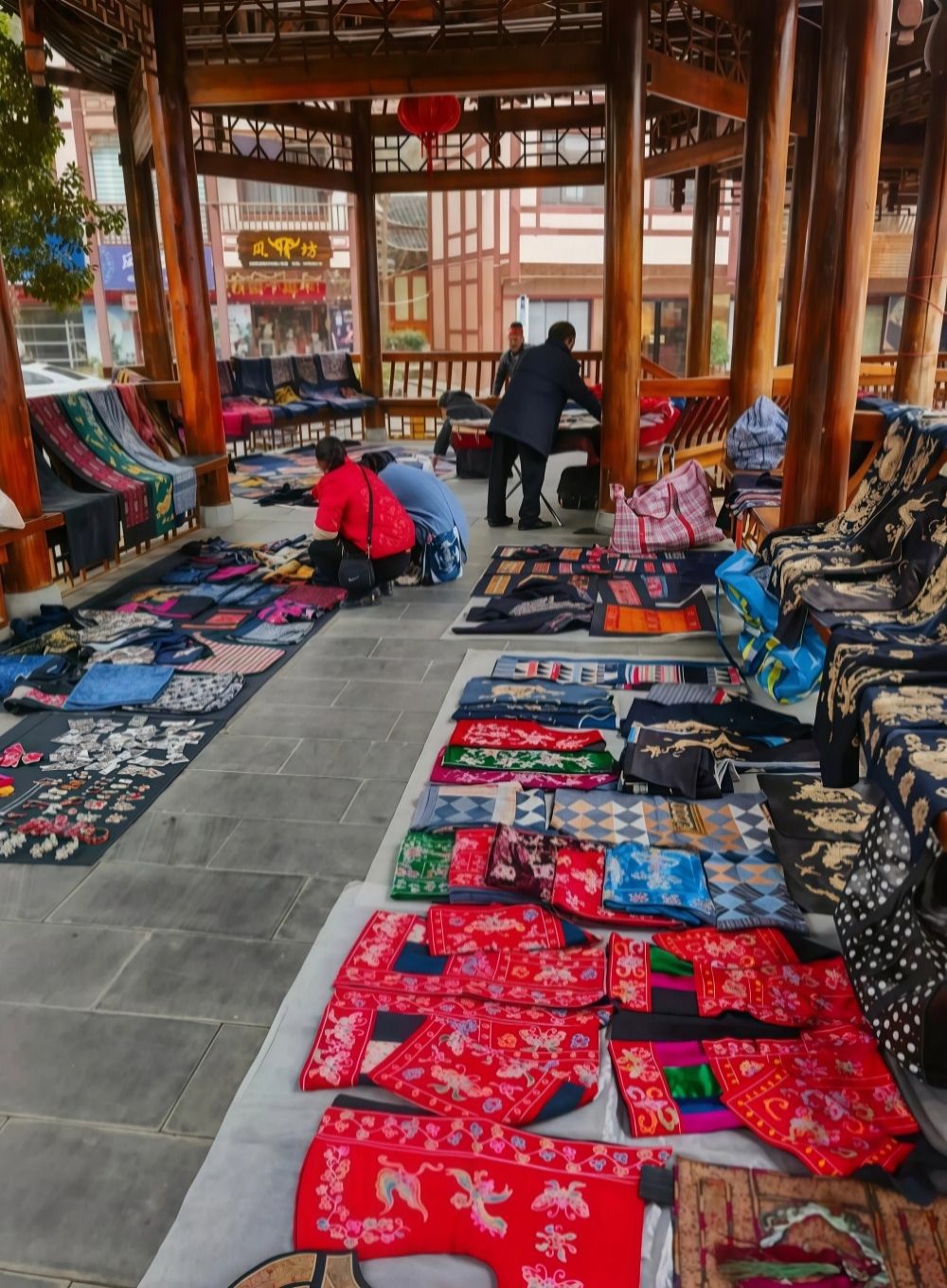
Xiulitao is a lively hub for intangible cultural heritage , local craftsmanship , and culture‑tourism shopping. Opened in 2023, it brings together artisans and craft sellers from across Kaili, creating a vibrant marketplace for traditional crafts from southeastern Guizhou.
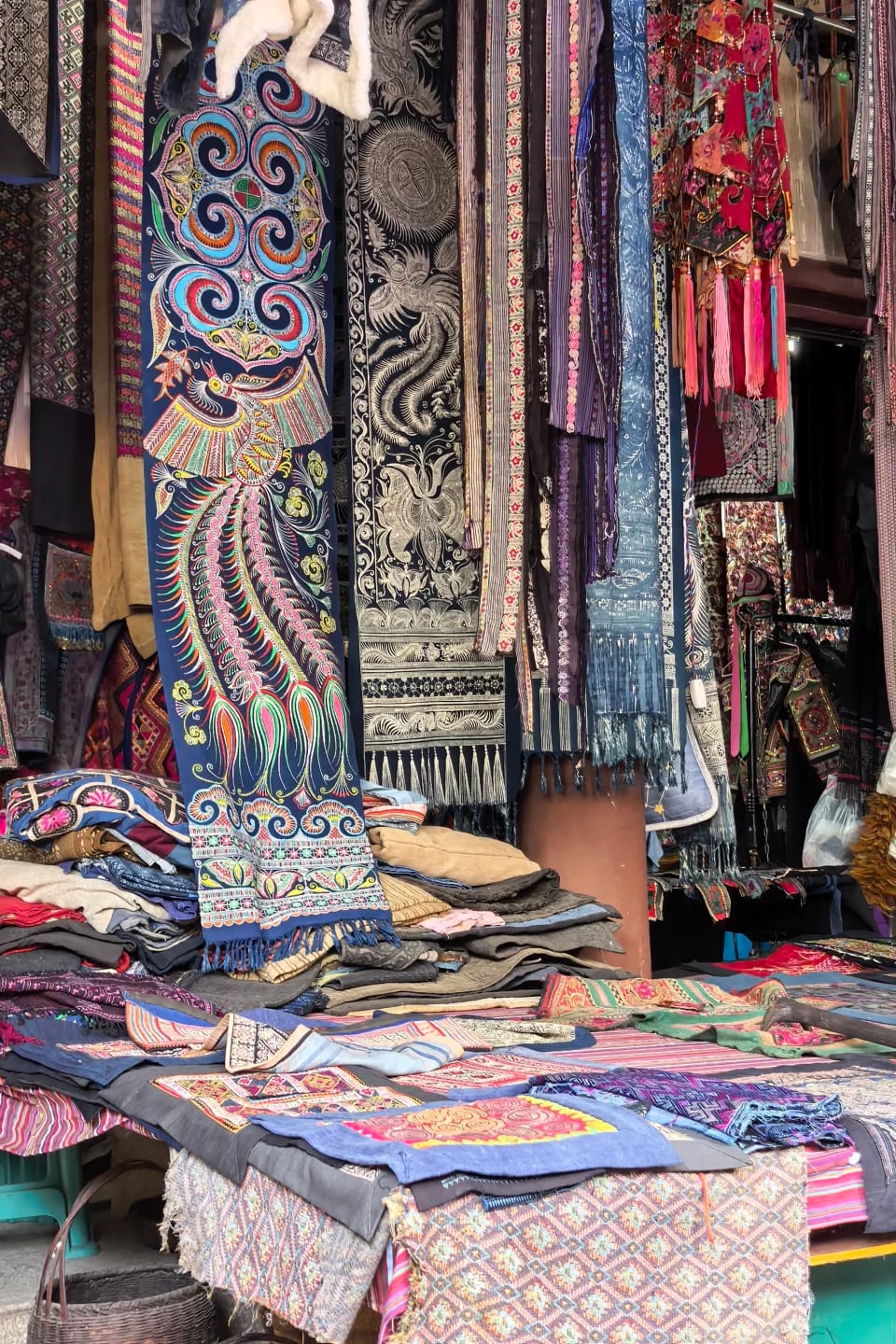
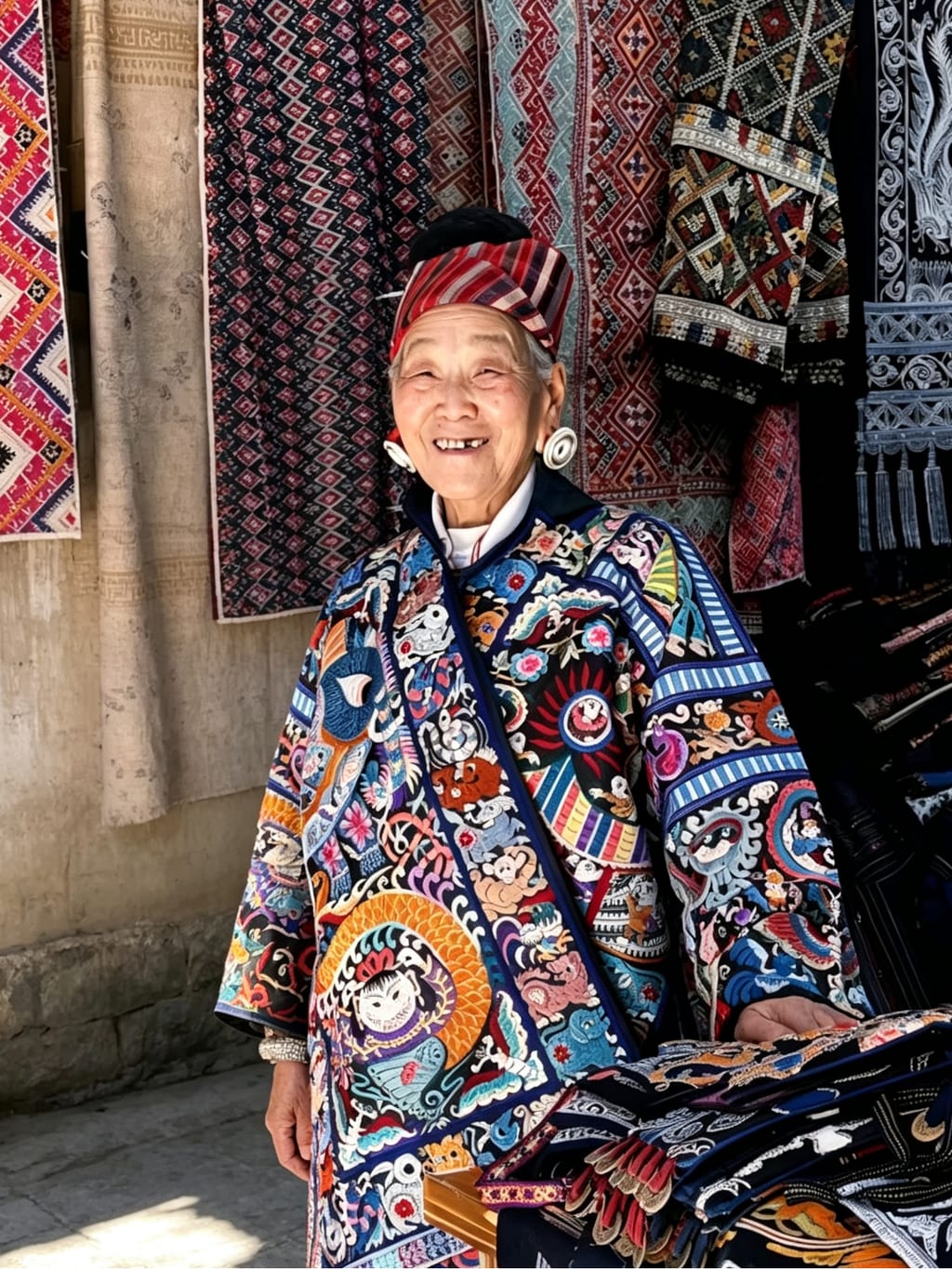
The market offers Miao embroidery , batik , silver ornaments , textiles, accessories, and other heritage‑inspired goods. Many stalls are run by embroiderers, silversmiths, and local artisans, giving each piece a strong regional identity in its patterns, colors, materials, and techniques.
Xiulitao makes shopping a cultural experience . Visitors browse embroidery fragments , accessories, batik fabrics, and silver jewelry while learning their stories. An embroidery piece may come from traditional clothing, while a silver ornament can reflect Miao aesthetics and heritage.
The Miao-Dong Cultural Park adds atmosphere with drum towers, wind-and-rain bridges, and covered corridors. The market also ties into “Village T” fashion shows , costume displays, and performances, making it a vivid stop for travelers seeking Qiandongnan’s craft culture without entering remote mountain villages.
Xijiang Thousand Household Miao Village
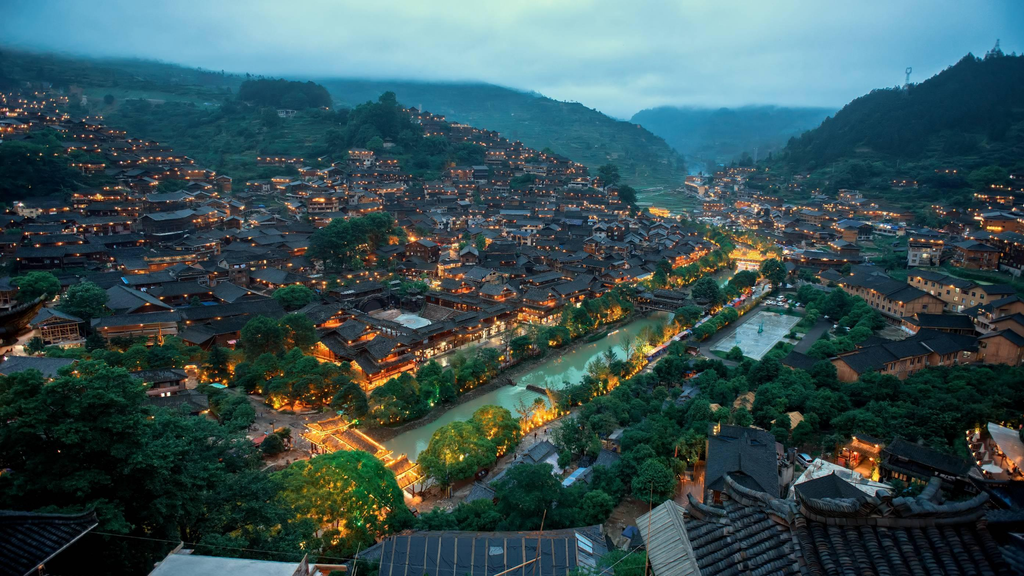
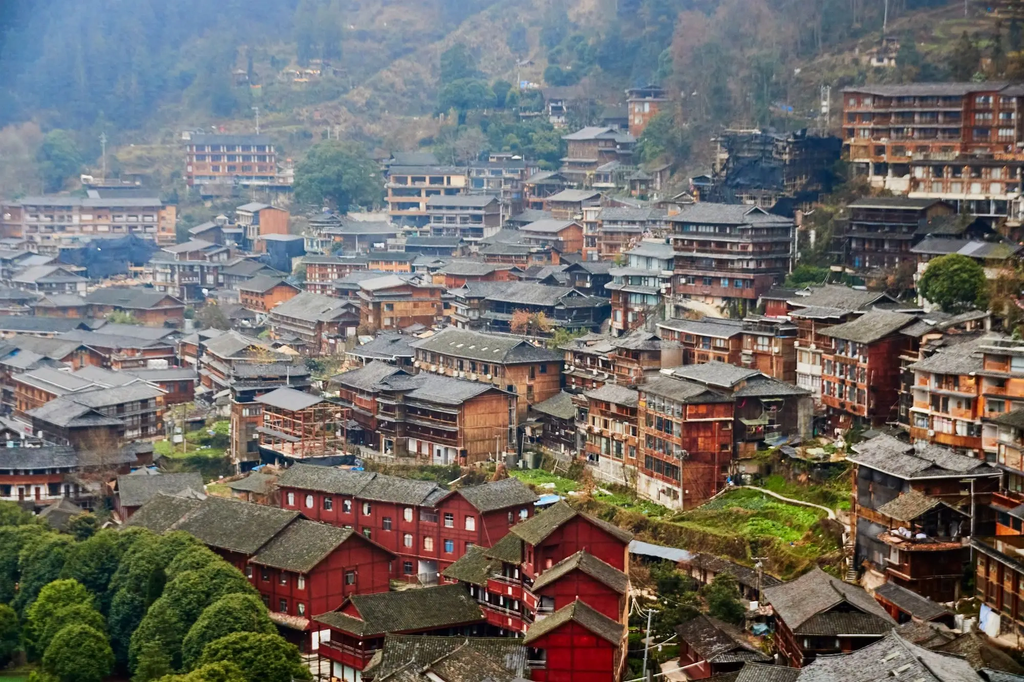
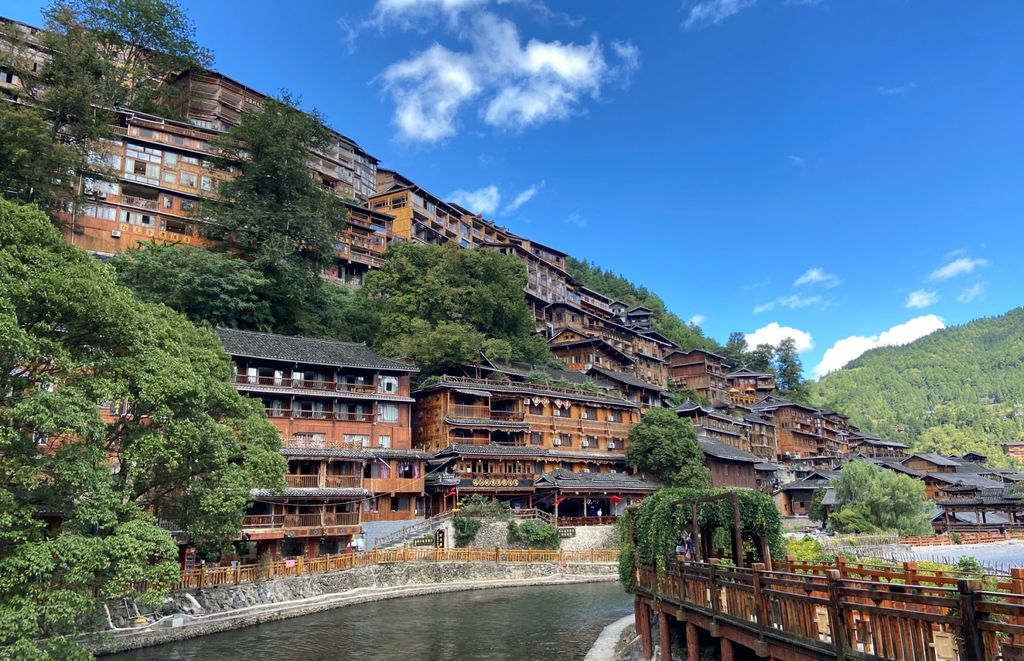
Xijiang Thousand Household Miao Village is the world's largest Miao community — a living open-air museum with thousands of wooden stilted houses across mountain slopes, Miao heritage, and a spectacular nightscape of glittering lights.
Step through the village gate into a vibrant tapestry of Miao traditions. Join the festive Long Table Feast , savor sour fish soup, and enjoy authentic Miao song and dance performances . In ancient Gage Old Lane, try millennia-old heritage crafts — Miao silver forging, embroidery, and batik .
For the full grandeur, climb to the viewing platform at the mountain top — whether veiled in morning mist, draped in golden sunset hues, or glowing with a river of lights after dark, the view is breathtaking.
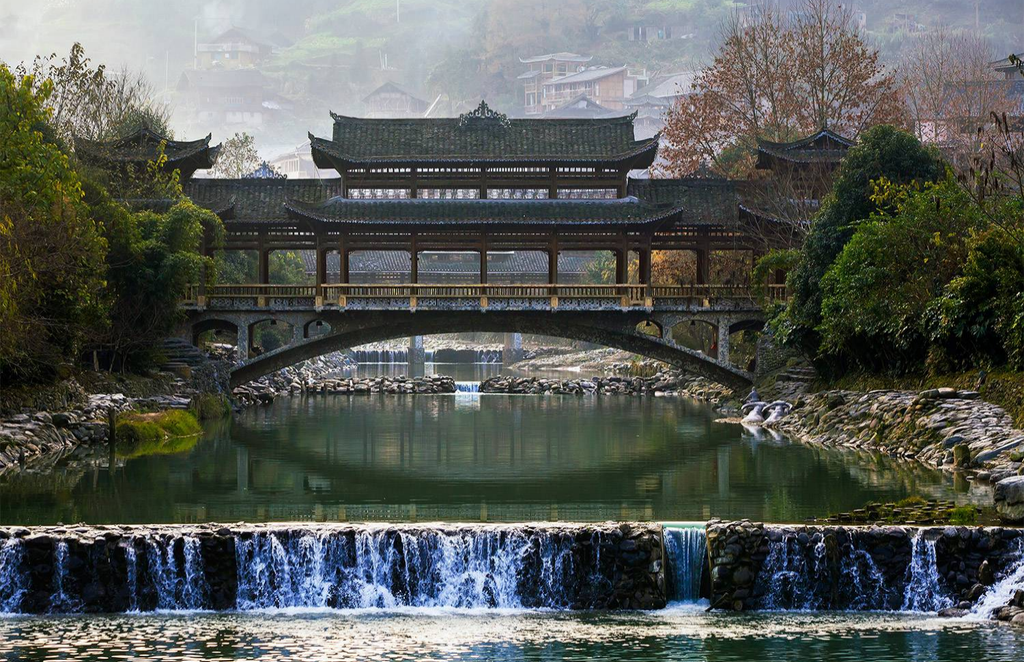
The Baishui River winds through the village, crossed by wind-and-rain bridges . Wander the bluestone paths among stilted houses climbing the hillsides — quintessential Miao dwellings brimming with the warmth of daily life. Xijiang captivates the eyes and soul.
Day 3 · Dong Villages & Basha Traditions
Dali Dong Ethnic Village
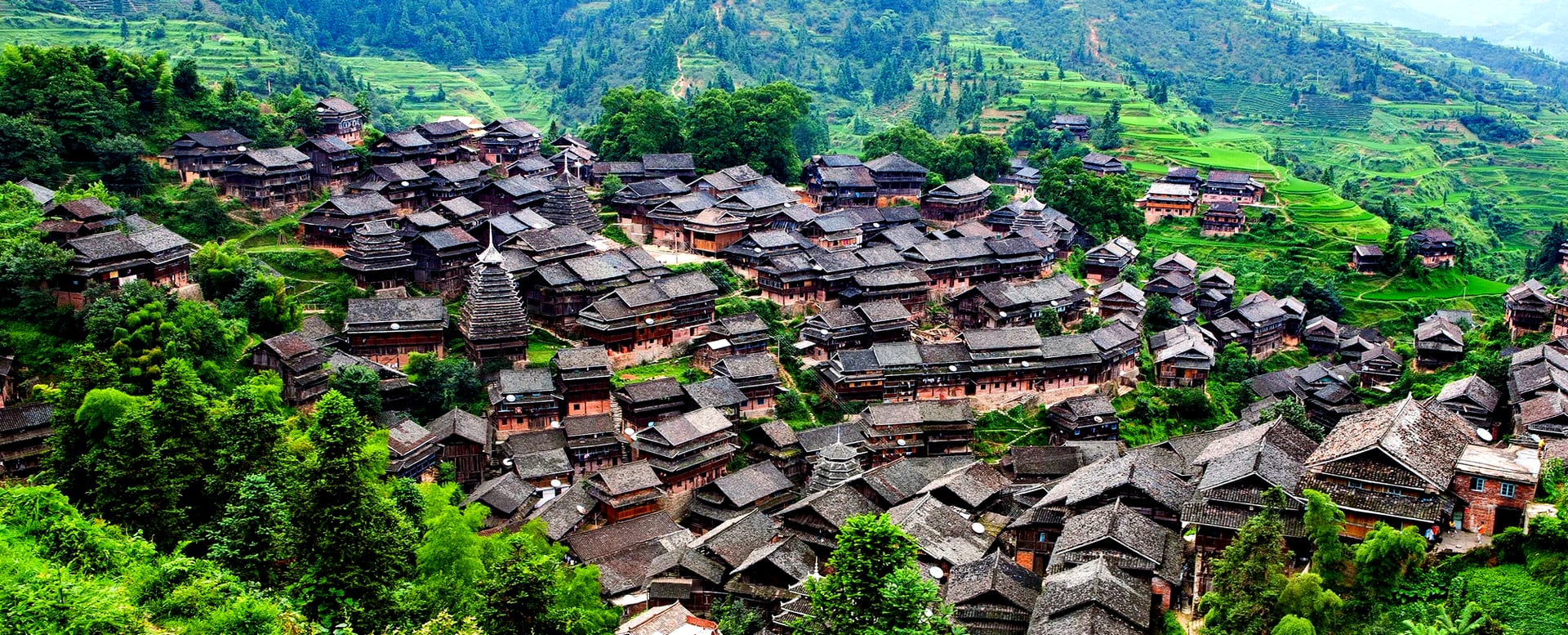
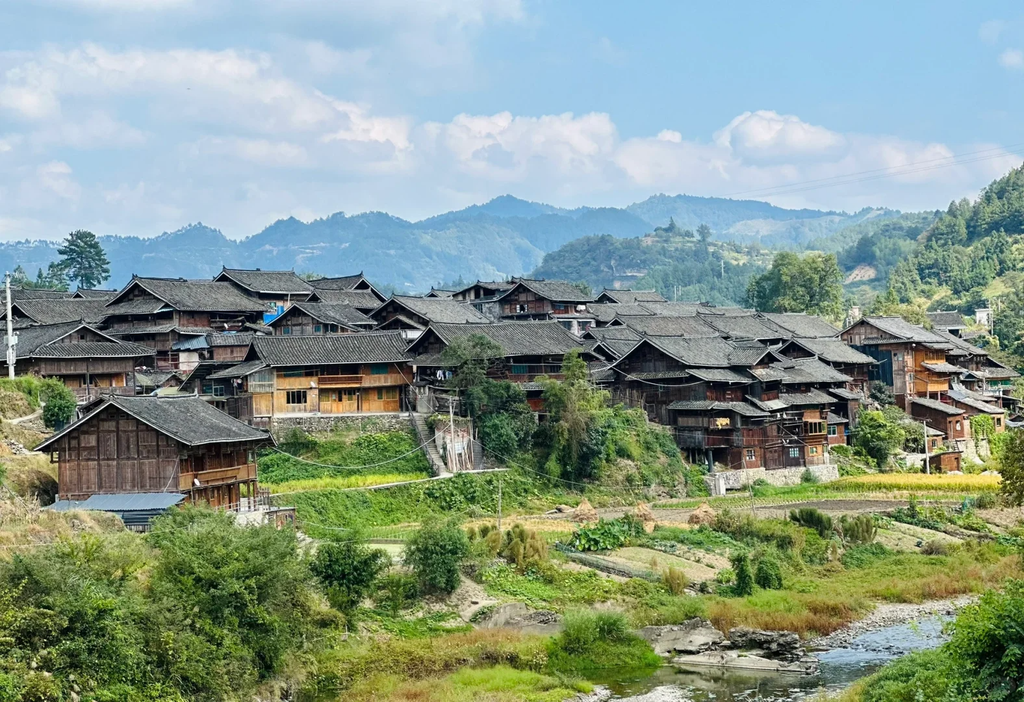
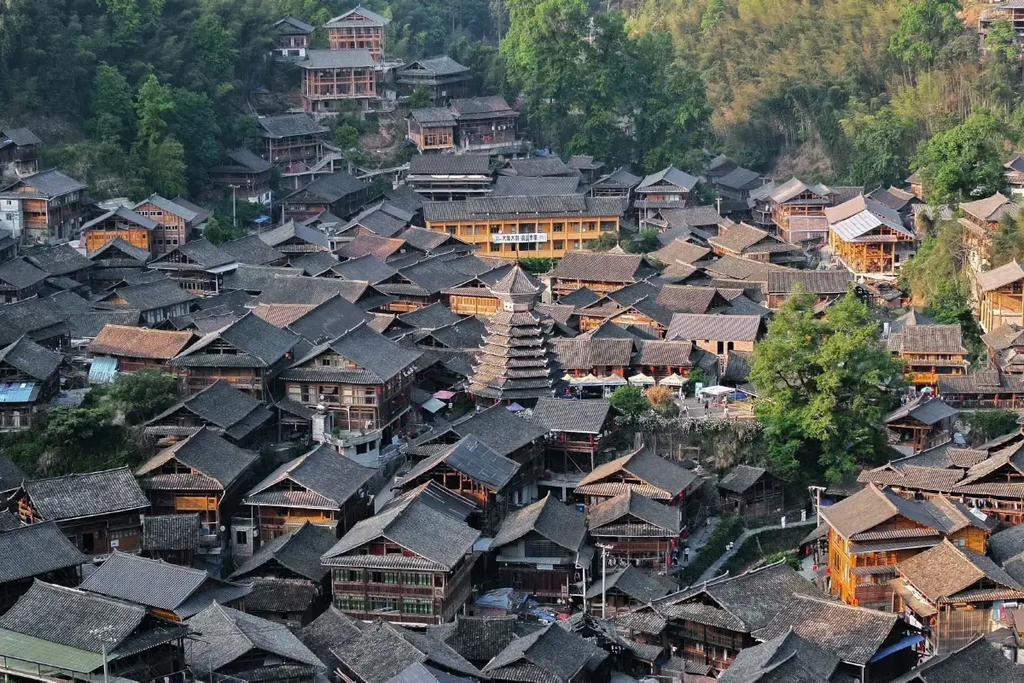
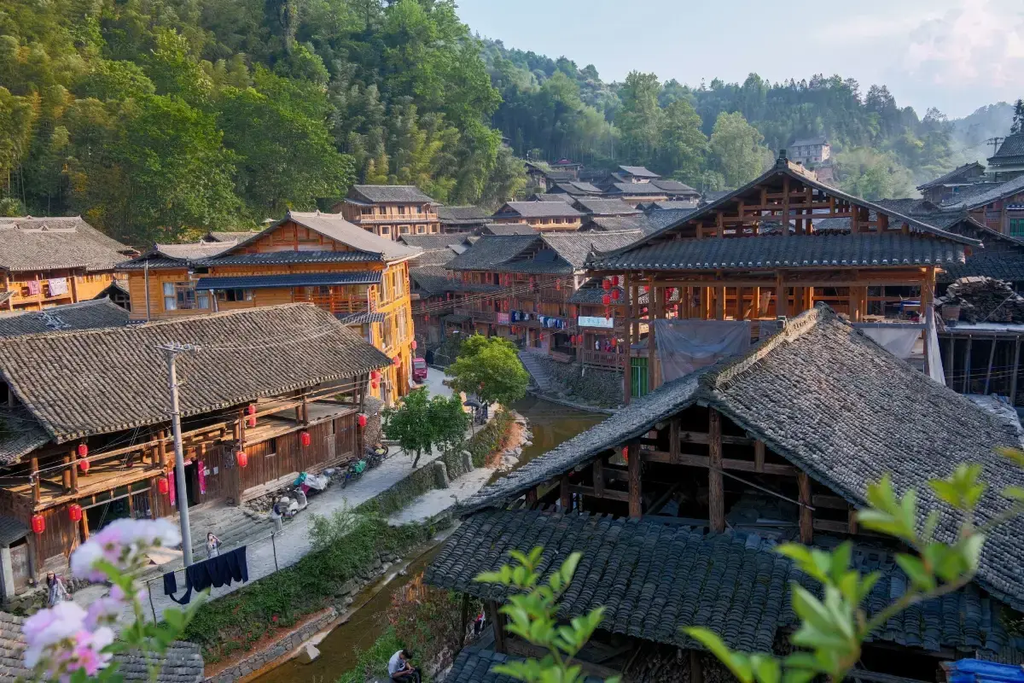
Dali Dong Ethnic Village is one of Qiandongnan’s best-preserved Dong settlements , with a history of over 600 years . Home to 238 households, it is listed on the World Monuments Watch and on China’s UNESCO Tentative List for Dong Villages .
Dali is also a living center of Dong indigo culture . For centuries, women have passed down the craft of harvesting, fermenting, and weaving handmade indigo textiles (侗布) —a process that can take up to two years for a single piece. This tradition remains the cultural heartbeat of Dali.
Dong landmarks define the village: the Drum Tower , a Wind-and-Rain Bridge , and the sacred Sax Altar . Cobblestone paths — over 200 years old — wind past timber stilted houses, while heliang grain stands line the edge above rice-fish paddies.
Dali keeps a rare tranquility. Listen for the Dong Grand Song (侗族大歌) , a UNESCO Intangible Cultural Heritage, echoing through the valley. Just 23 km from Rongjiang, it offers an intimate window into Dong architecture, textile art, and communal life — still largely untouched by tourism.
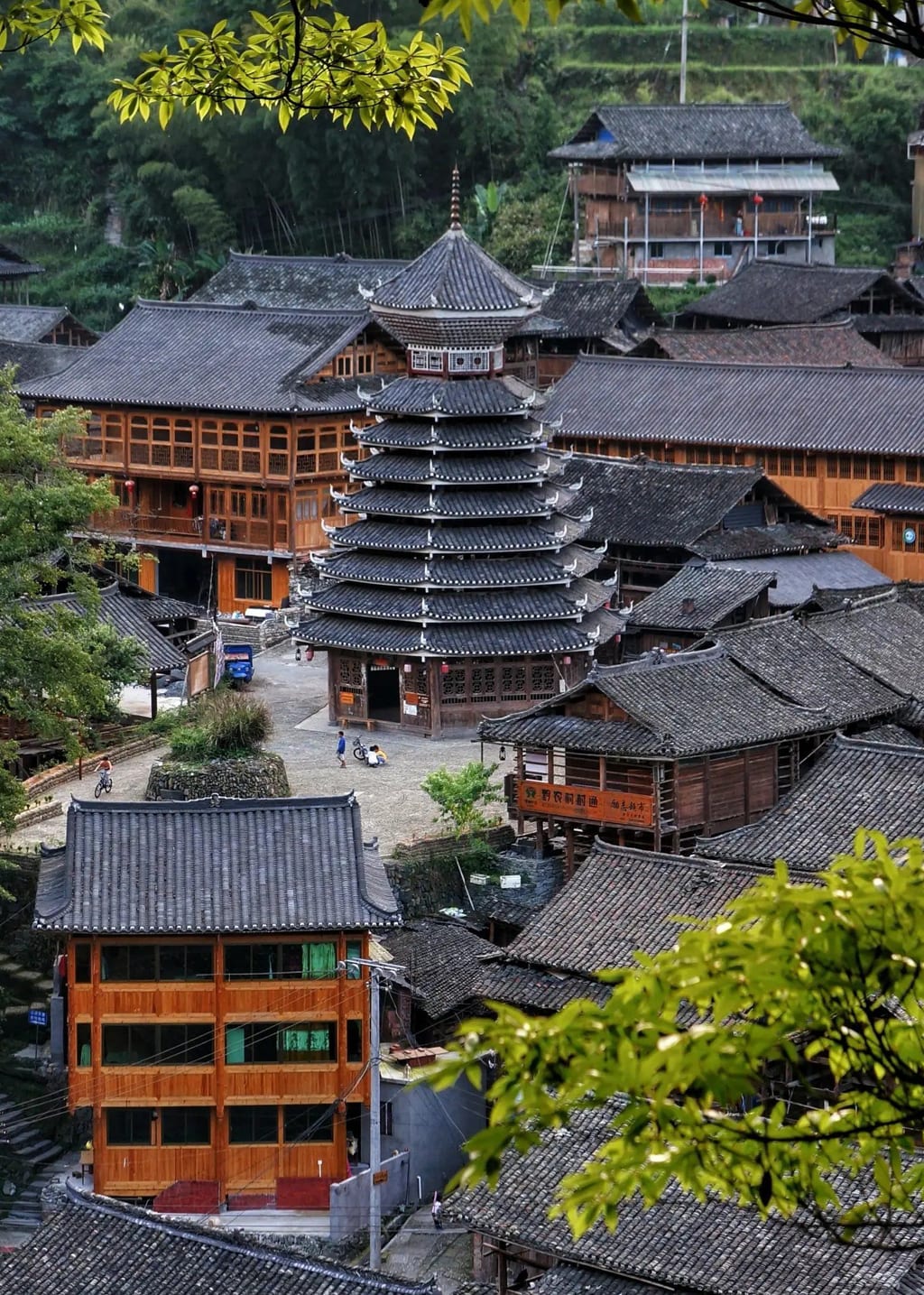
Zhanli Dong Ethnic Village
700-year-old Zhanli Dong Village, China's First Village of Population Culture . Tradition speaks of an ancestral pact: one boy, one girl per family. Legend attributes this to " Huanshuancao ," a " gender-changing " herb from "male" or "female" wells: "if people are too many, the mountain cannot feed them."
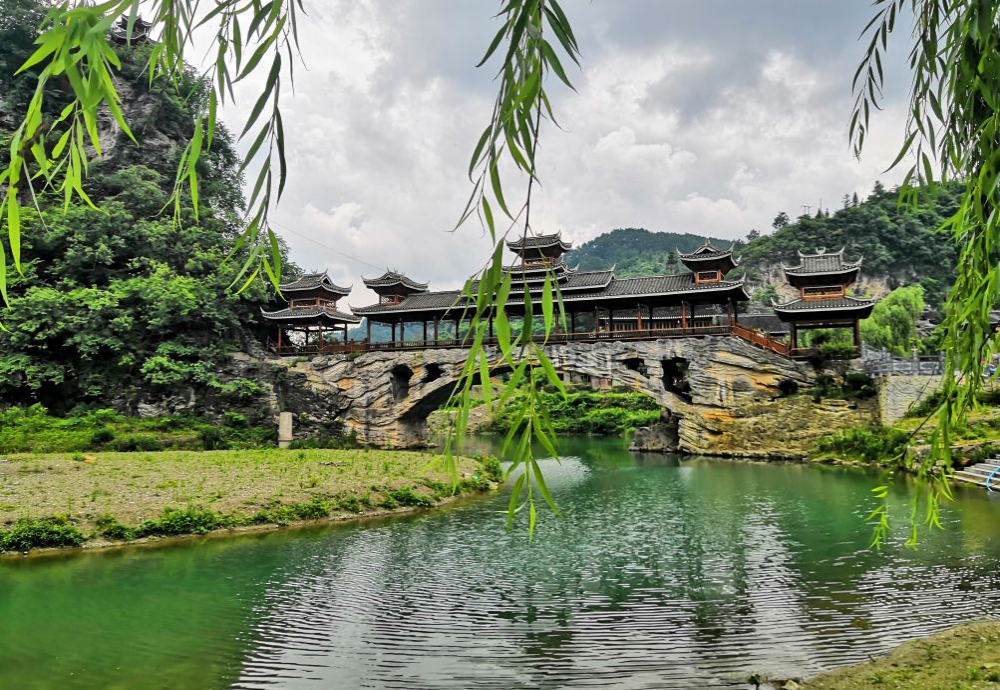
The village drapes a hillside above a stream. At its heart, the nail-free Drum Tower rises thirteen tiers of cedar — councils and dusk songs. A covered Wind and Rain Bridge crosses below; stilt houses climb the slope, rice-drying racks glow gold each autumn.
Zhanli’s rice-fish-duck system , an FAO Agricultural Heritage: rice, carp, ducks raised together—fish eat pests, ducks clear weeds, manure enriches soil, keeping the fields chemical-free . Grand Song of the Dong , a UNESCO Intangible Cultural Heritage, a polyphonic chorus without a conductor. Villagers say: "Rice sustains the body; songs sustain the spirit."
Visit April–June (planting) or September–November (harvest). In Zhanli’s calendar, the Sa Festival renews harmony with nature under the ancestral grandmother, while Dong New Year brings lusheng music, duoye dances, and long-table feasts.
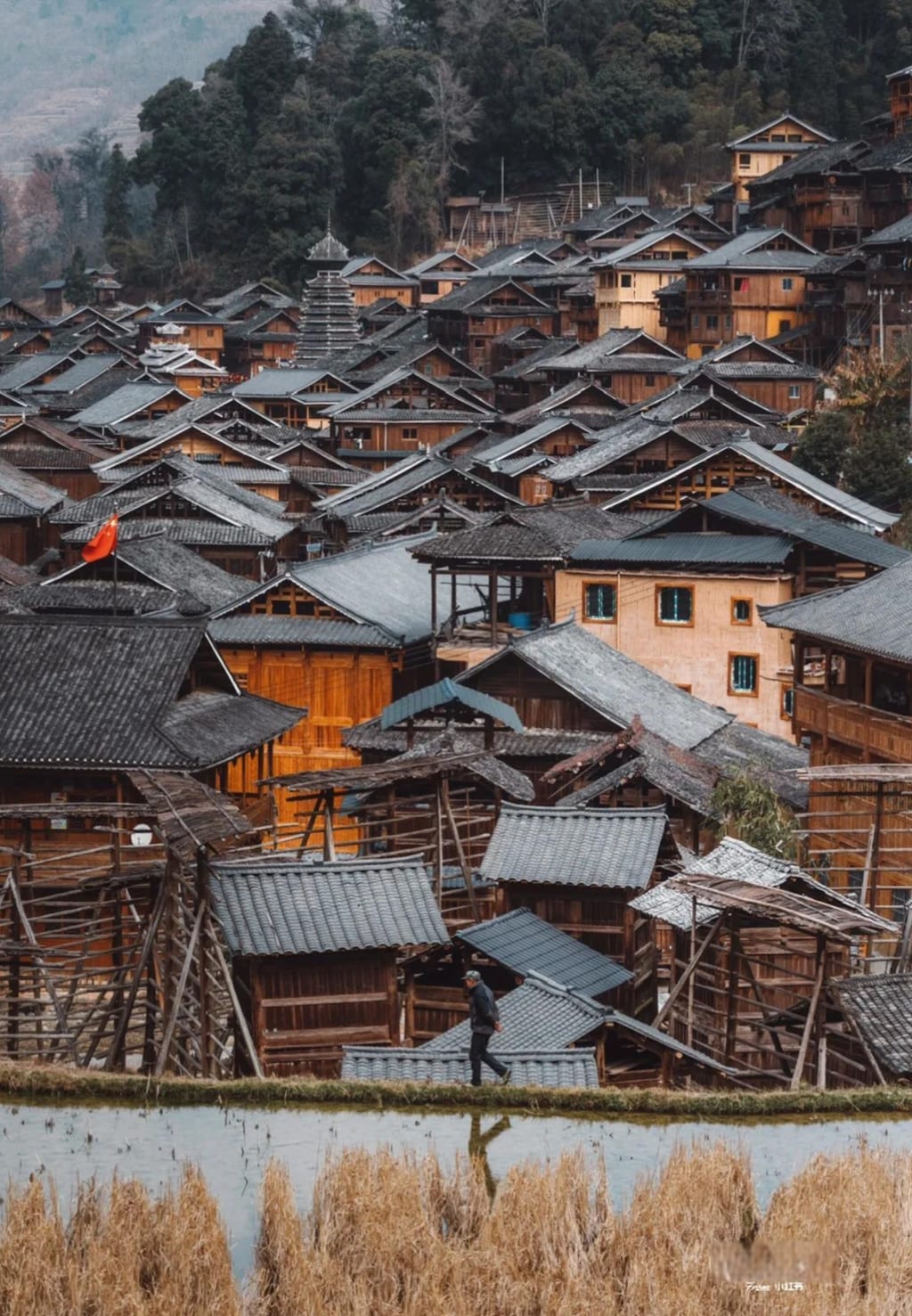
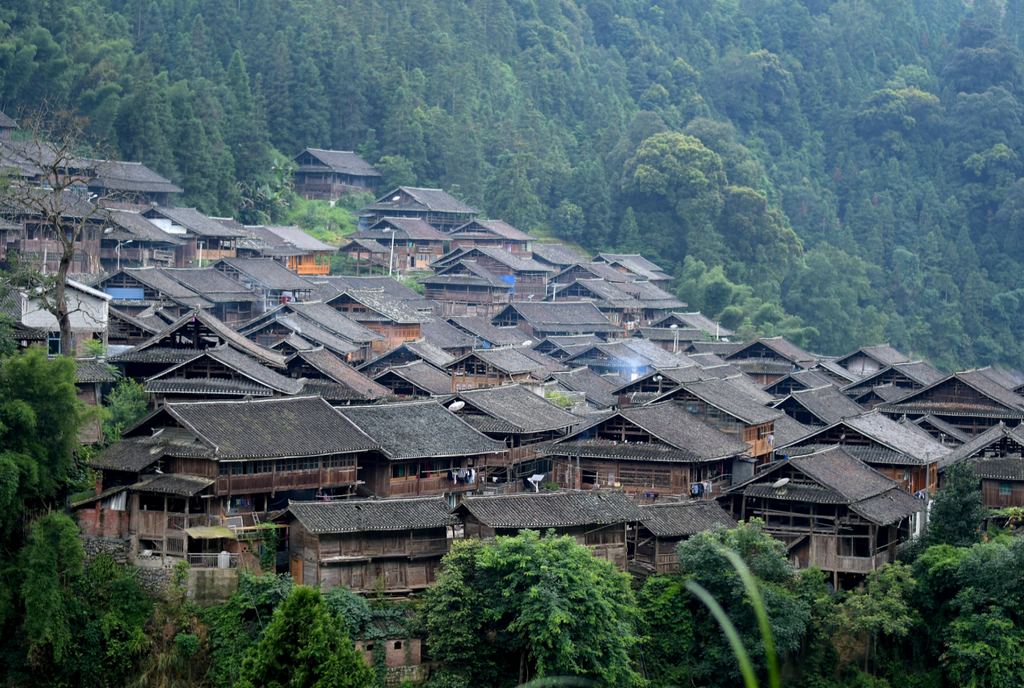
Basha Miao Village
The Last Gunman Tribe in China
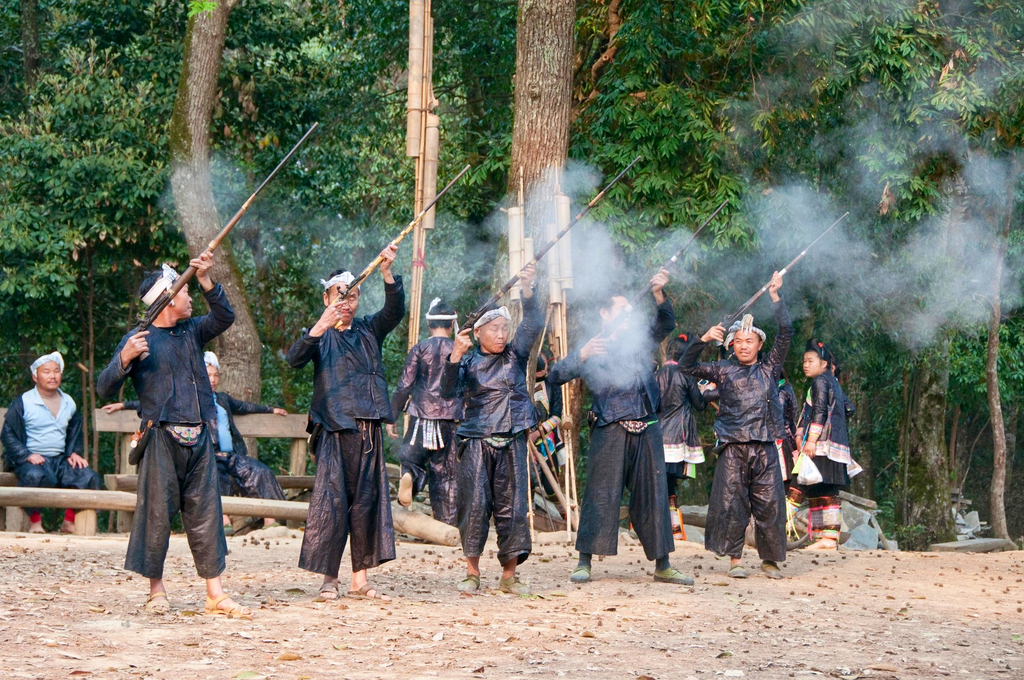
Basha Miao Village is "The Last Gunman Tribe in China" — the only village where men may legally carry firearms . Located in Congjiang County , Guizhou, its 2,500 villagers across five hamlets have preserved a warrior tradition for centuries.
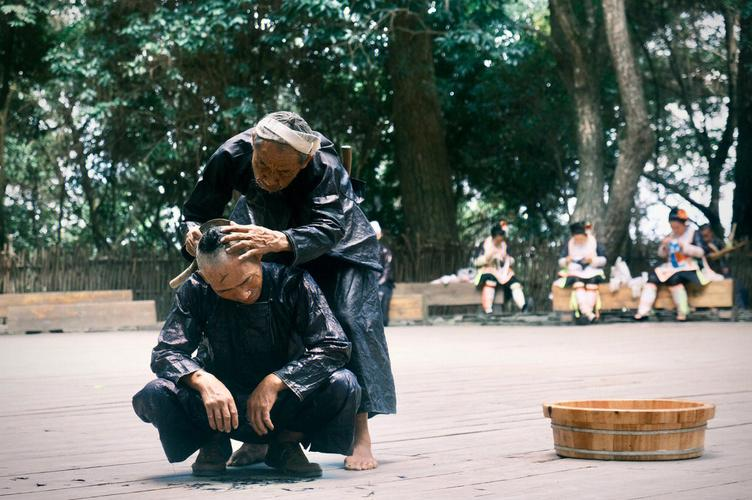
Visitors are greeted with a dramatic gun salute : Basha men in indigo robes fire their flintlock muskets skyward, followed by lusheng music, ribbon dances, and the Sickle Haircut Ceremony — where a sickle shaves the head, leaving a topknot that symbolizes the forest trees.
The Basha people live in deep harmony with the forest. From birth, each villager is linked to a "Life Tree" : when the person dies, the tree is felled to make the coffin, and a new sapling is planted on the grave—an endless cycle of rebirth that binds people and nature.
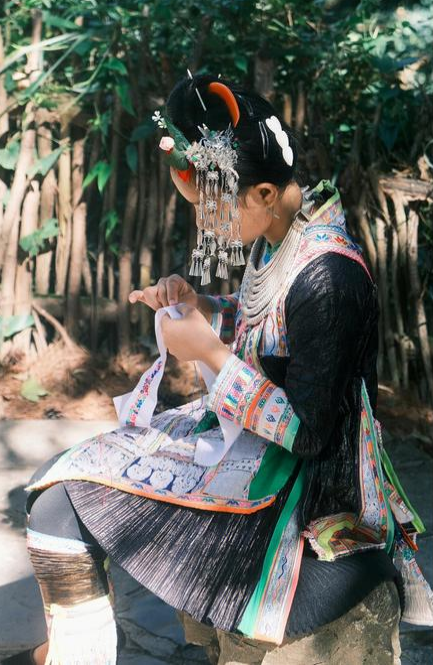
With its stilted wooden houses, hand-woven indigo costumes, hair-washing rituals, lusheng dances and tree-worship ceremonies , Basha is a living museum of pre-modern Miao culture. Recognized as a National Intangible Cultural Heritage site , it offers some of the most authentic and striking ethnic experiences in China.
Day 4 · Across the Misty Rice Terraces
Jiabang Rice Terraces
A Misty Masterpiece Hidden in Moon Mountain
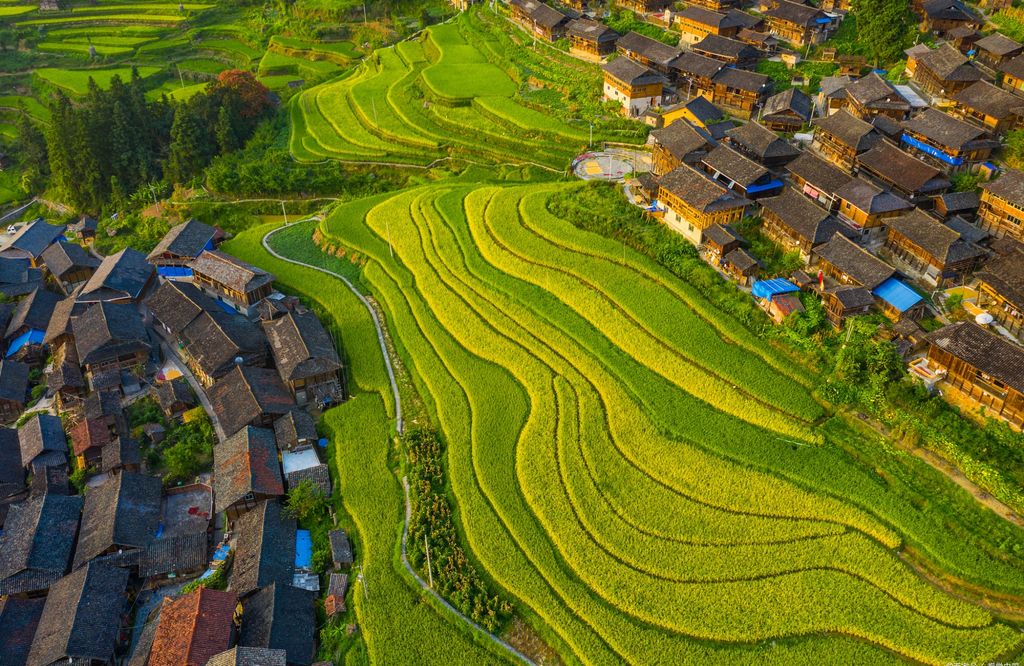
Nestled in Moon Mountain , Congjiang County, Guizhou, the Jiabang Rice Terraces rank among China's most stunning terraced landscapes . Stretching 10,000 mu across 25 kilometers from Dangniu to Jiabang, they rival Yuanyang and Longji as one of China's finest terraces .
Crafted by the Miao people , each field follows the mountain's natural contour—the largest spans one mu, the smallest fits a winnowing basket. Miao stilted houses dot the terraces like stars, creating an "earthly paradise" where human craft meets nature.
Morning mist rises from Jiaoche River, veiling terraces and villages — a daily mist ritual turning Jiabang into a landscape painting. Seasons shift the palette: April–May brings silver mirrors; summer green waves; October layered gold; winter straw, cover crops, and villages — each a new scroll.
Jiabang's "rice-fish-duck" co-culture system is FAO-recognized as a Globally Important Agricultural Heritage System and featured in "A Bite of China" . These villages stand as a testament to sustainable living and cultural resilience across generations.