



Why Yunnan? — Into the Mist, Beyond the Map
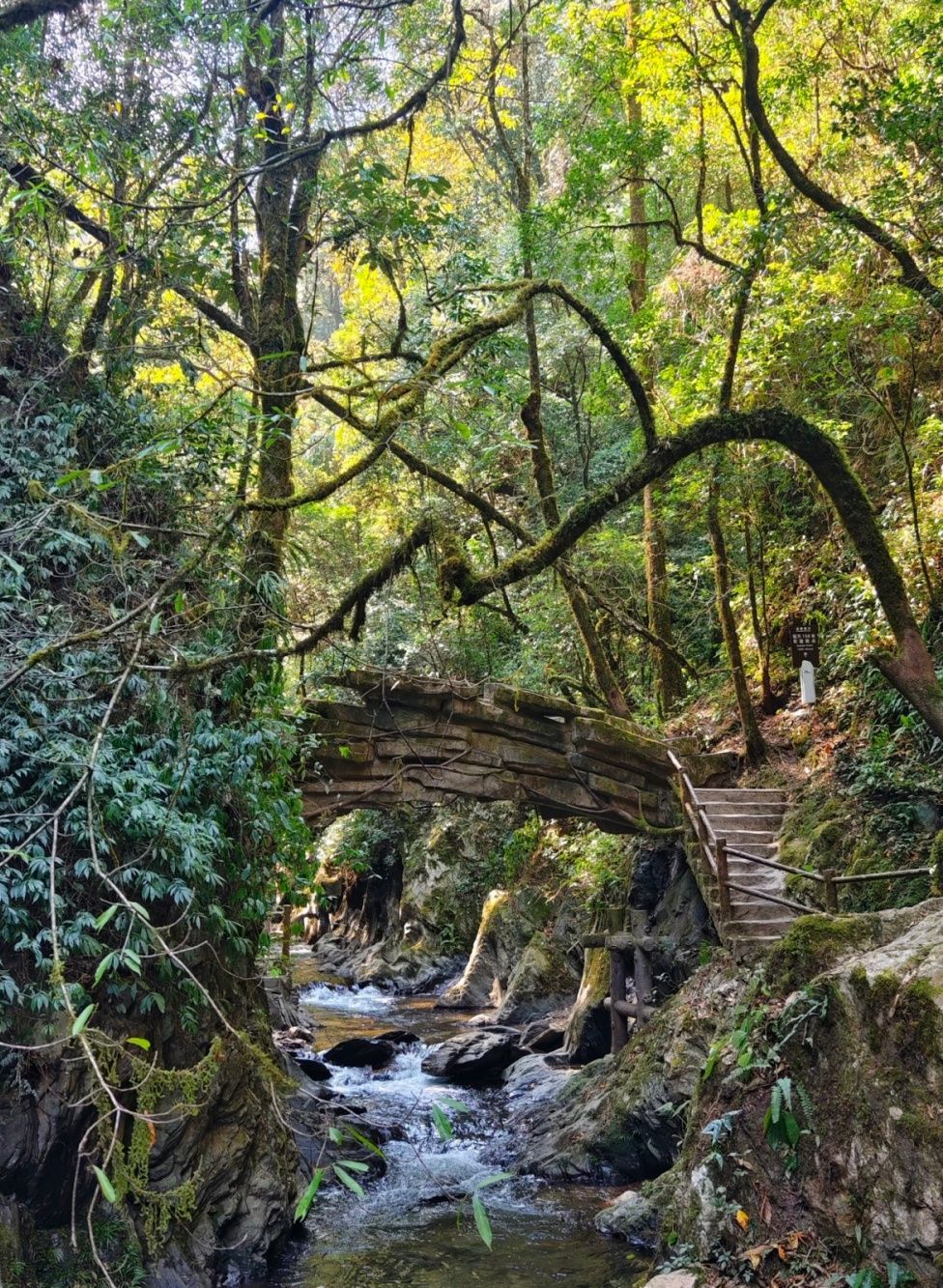
- A Land of Unmatched Natural Beauty : From Yuanyang ’s mirror-like terraces — a 1,300-year-old UNESCO World Heritage Site — to the cloud forests of the Ailao Mountains , Yunnan’s scenery transforms at every turn.
- Living Ethnic Heritage : Home to 25 of China’s 56 recognized ethnic groups , Yunnan is an extraordinary cultural mosaic. On this journey, you’ll meet the Hani people — the creators of the legendary rice terraces.
- Timeless Architecture & Ancient Towns : Stroll through 1,200-year-old Jianshui Ancient Town, where Confucian temples, grand gardens, and iconic city gates showcase Yunnan’s literary and artistic heritage.
- Authentic Experiences Off the Beaten Path : Explore hidden villages , bustling ethnic morning markets , and moss-draped ancient forests — where tradition and nature intertwine beautifully.
Our Itinerary
5-Day Trip
Day 1 Kunming - Jianshui
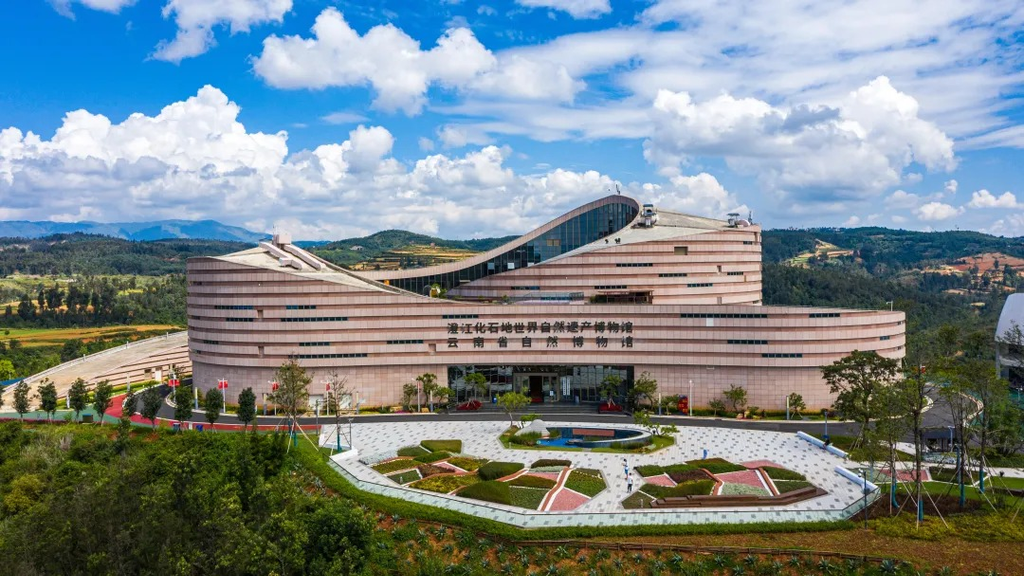
Chengjiang Fossil Site Natural History Museum
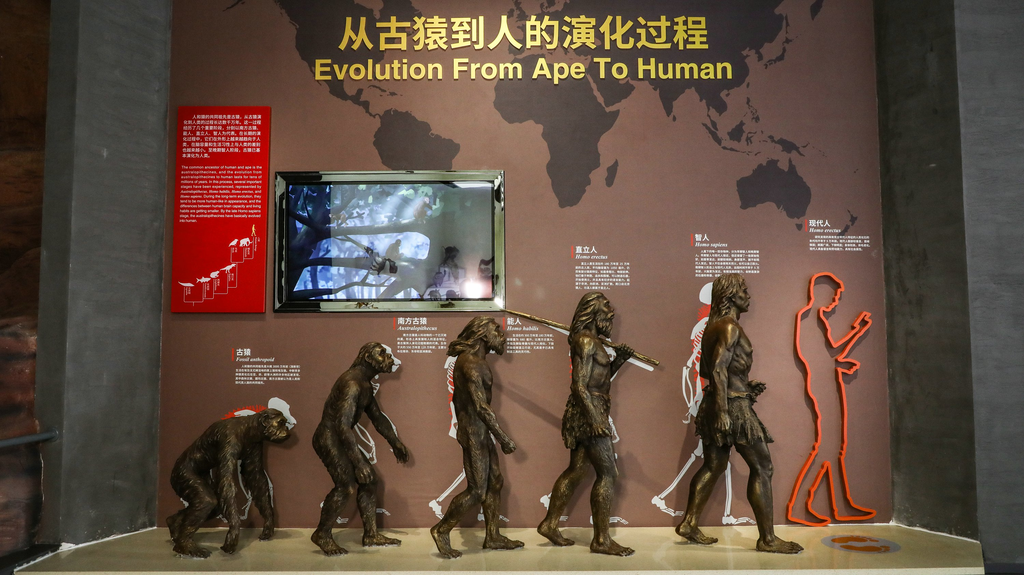
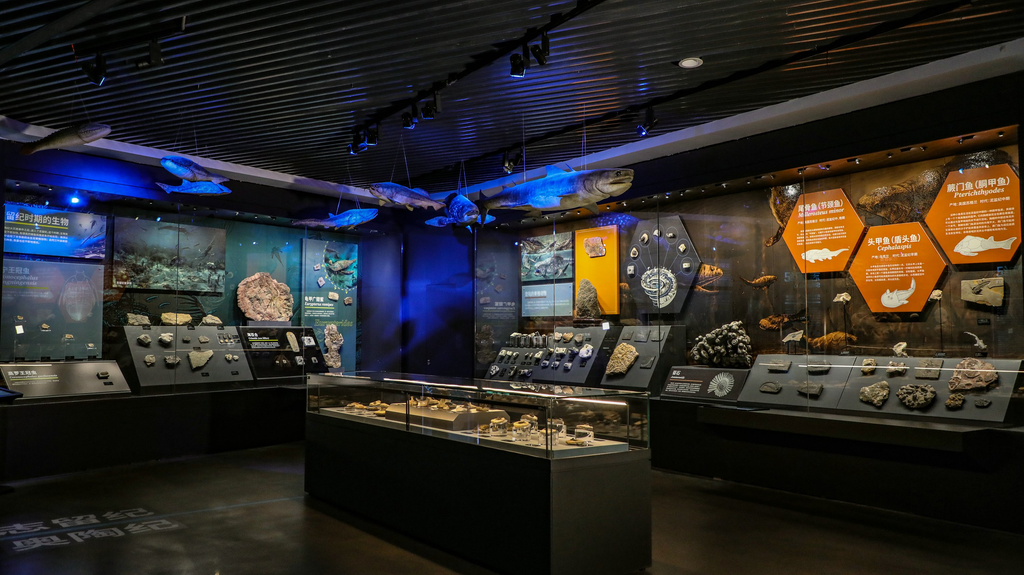
Located beside Fuxian Lake in Yunnan Province, China, the Chengjiang Fossil Site Natural History Museum (officially the Yunnan Natural Museum) is a national-level museum built directly atop a UNESCO World Natural Heritage Site .
It preserves evidence of life's most explosive evolutionary event—the Cambrian Explosion , approximately 518 million years ago . As Asia's only fossil-themed World Natural Heritage site, its over 60,000 specimens tell life's origin story.
Witness the Origin of Vertebrates: The museum's star exhibit—"Myllokunmingia fengjiaoa" (the world's first fish and the oldest known vertebrate ancestor )—offers a glimpse into the ancestry of all backboned creatures, including humans.
Step into an Ancient Sea: The museum's 40-meter-long "Cambrian Ocean Tunnel" uses seamless flexible screens to bring the prehistoric sea to life, surrounding visitors with animations of Anomalocaris and other Cambrian marine life.
More than a repository of ancient stones, this museum is a "theater of time." It uses cutting-edge technology to tell the foundational story of life on Earth, inviting every visitor to explore this profound history written in stone.
Fuxian Lake
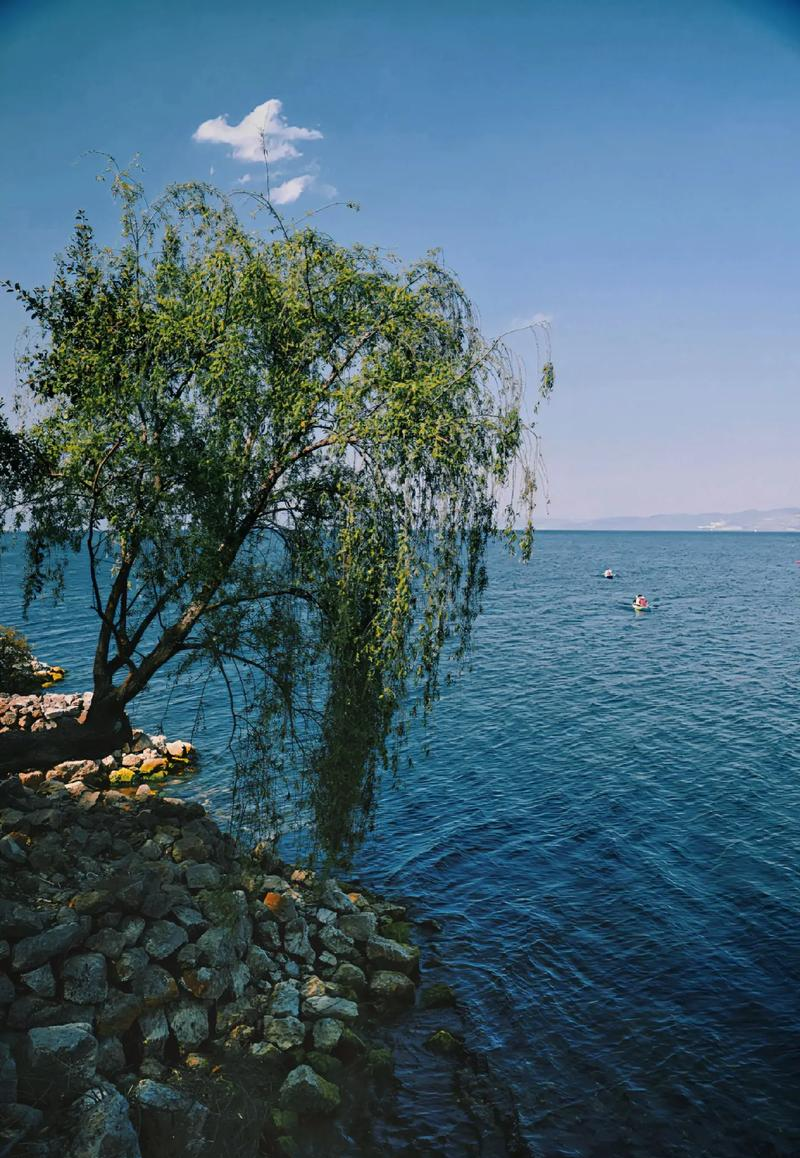
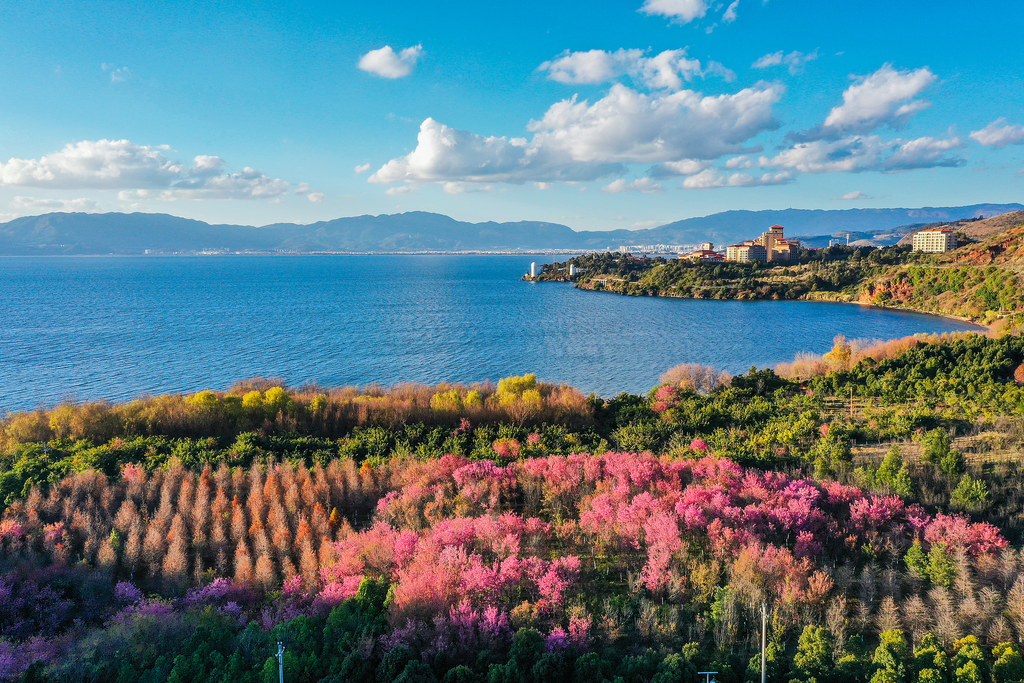
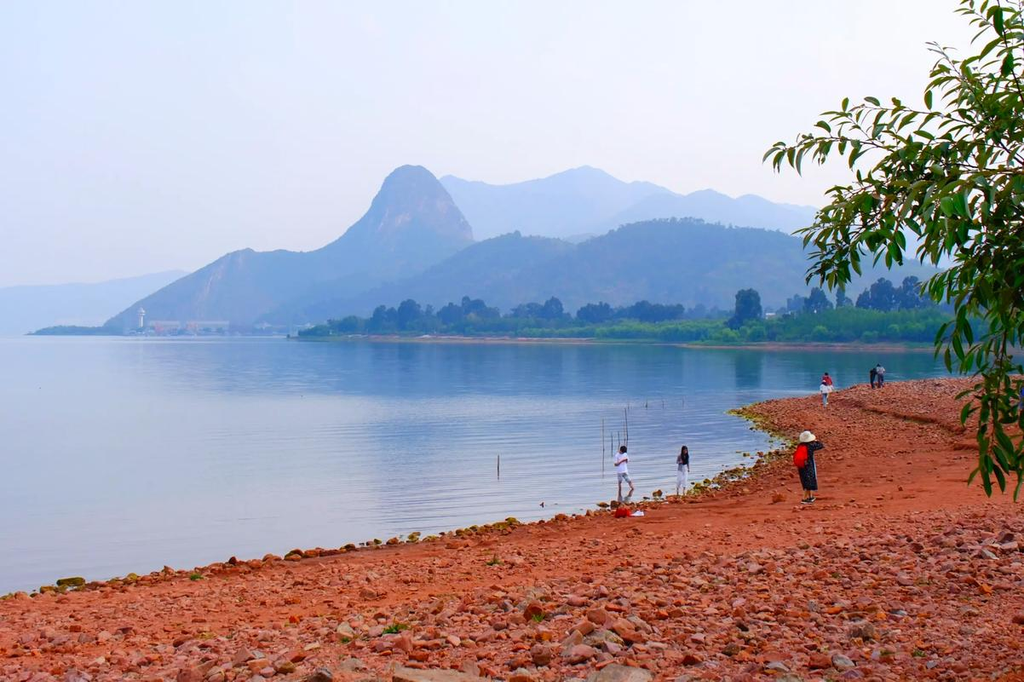
Fuxian Lake, known as "Ten Thousand Acres of Glass" (琉璃万顷) , lies about 60 km south of Kunming. It is China's largest deep freshwater lake , plunging to 155 meters — the deepest in Yunnan. Covering 212 km² at an elevation of 1,721 m, it contains more water than Dianchi and Erhai combined.
Its crystal-clear waters offer visibility of more than 12 meters, making it ideal for snorkeling, diving, and sailing. Local legends speak of a submerged city on the lakebed, and sonar surveys have revealed mysterious underwater structures that add to its allure.
Along the shores, travelers can explore a variety of experiences: Luchong Scenic Area offers water sports and sandy beaches; Moon Bay Wetland Park blends flower fields with lakeside boardwalks; and the 26-kilometer Lakeside Greenway is perfect for leisurely cycling with panoramic views.
Don’t miss the signature copper-pot fish and crispy potato rice . At dusk, the Guanglong Starlight Night Market comes alive with street food and crafts. With exceptional water clarity and a laid-back vibe, Fuxian Lake is Kunming’s favorite escape—and a rising gem for off-the-beaten-path Yunnan travel.
Jianshui Ancient Town
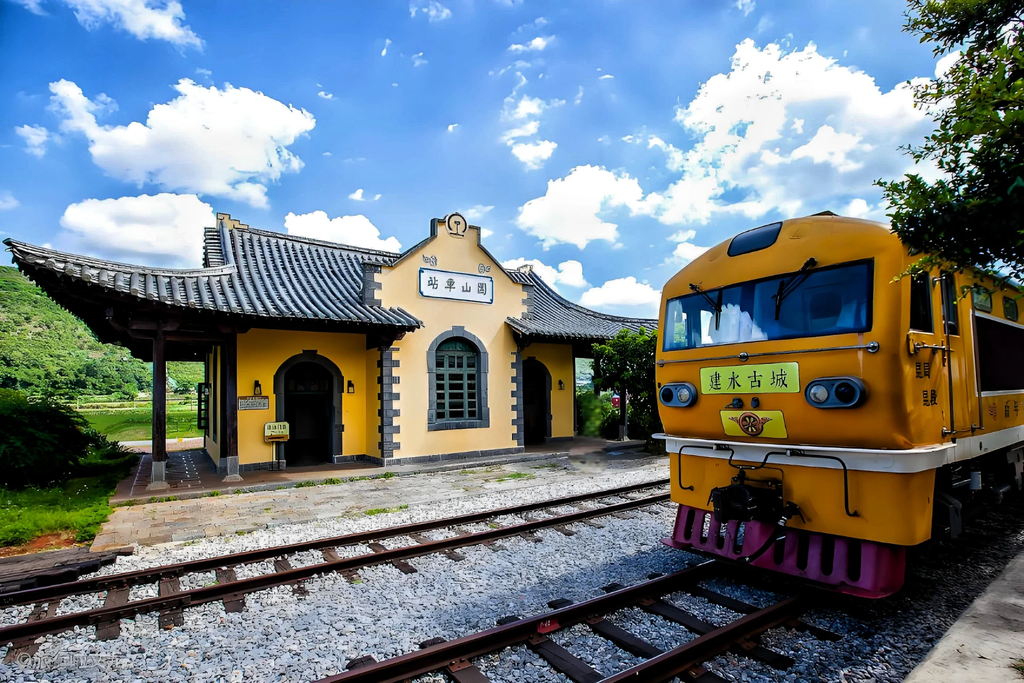
With more than 1,200 years of history, Jianshui Ancient Town is among Yunnan's best-preserved historic towns , renowned for its Ming- and Qing-dynasty architecture. Known as the "Museum of Ancient Architecture" and the "City of Literature," Jianshui once flourished as a cultural and commercial hub in southern Yunnan.
The town is home to many well-preserved ancient buildings —temples, family mansions, gardens, and city gates. Blending Han Chinese traditions with local ethnic influences, its architecture has a distinctive charm.
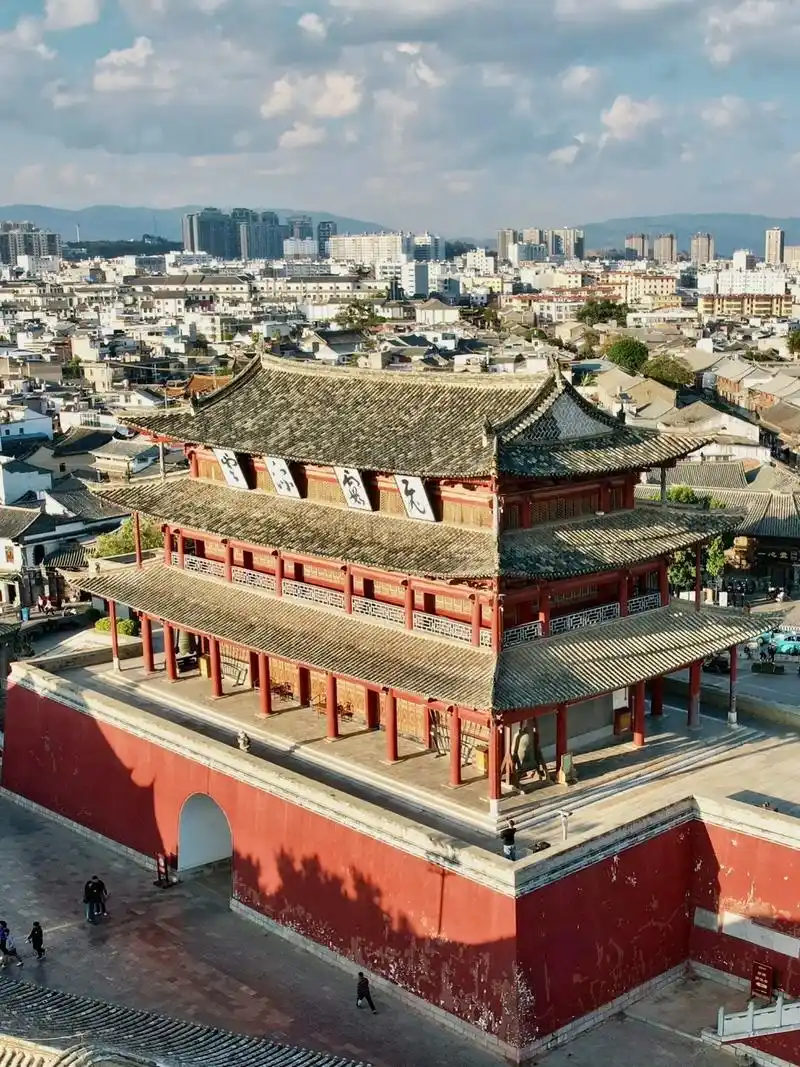
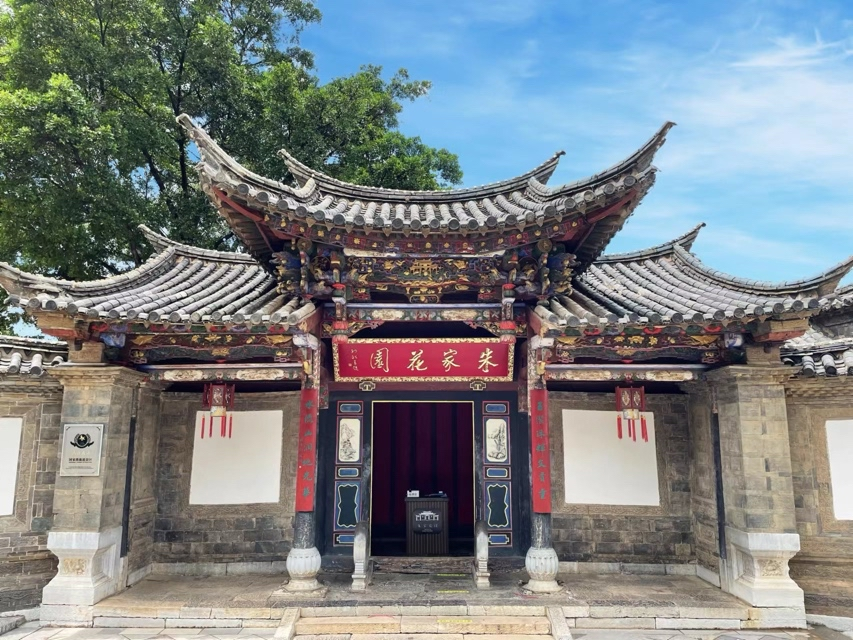
Key attractions include the East Gate Tower (Chaoyang Gate)—one of China's most impressive ancient city gates—and China's second-largest Confucius Temple. The historic Zhu Family Garden showcases the height of Yunnan residential architecture.
Jianshui is famous for its local cuisine , especially roasted tofu made with water from local wells. The town also retains authentic daily life , with residents continuing traditional trades and crafts. Strolling through ancient streets lined with historic buildings offers an immersive glimpse into Yunnan’s cultural past.
Day 2 Jianshui - Yuanyang
Zhu Family Garden
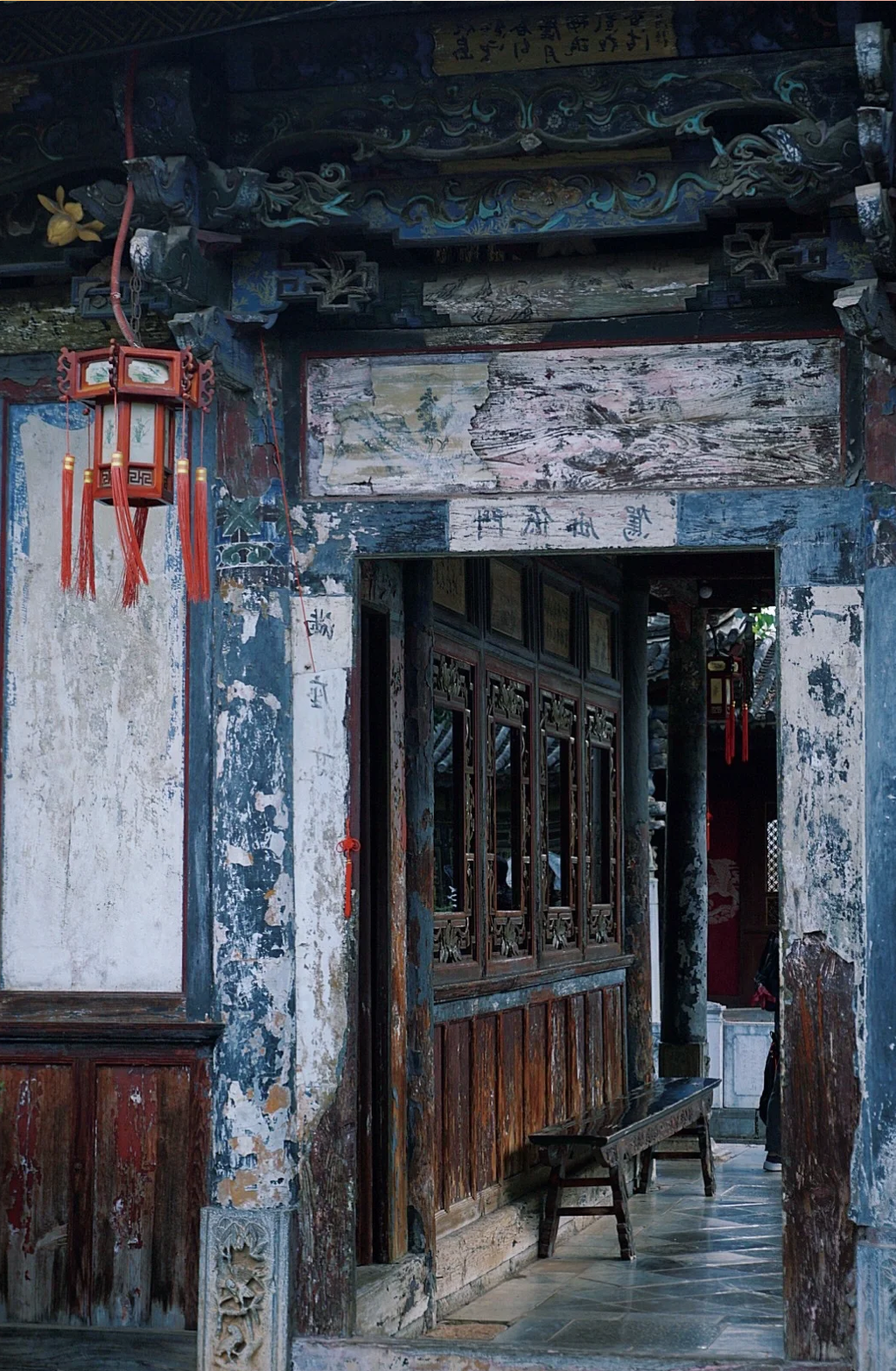
Zhu Family Garden is a stunning example of Qing Dynasty architecture , often called the "Daguanyuan of Yunnan" in reference to Dream of the Red Chamber . Built from 1905 over three decades, it reflects the wealth and refinement of a prominent merchant family.
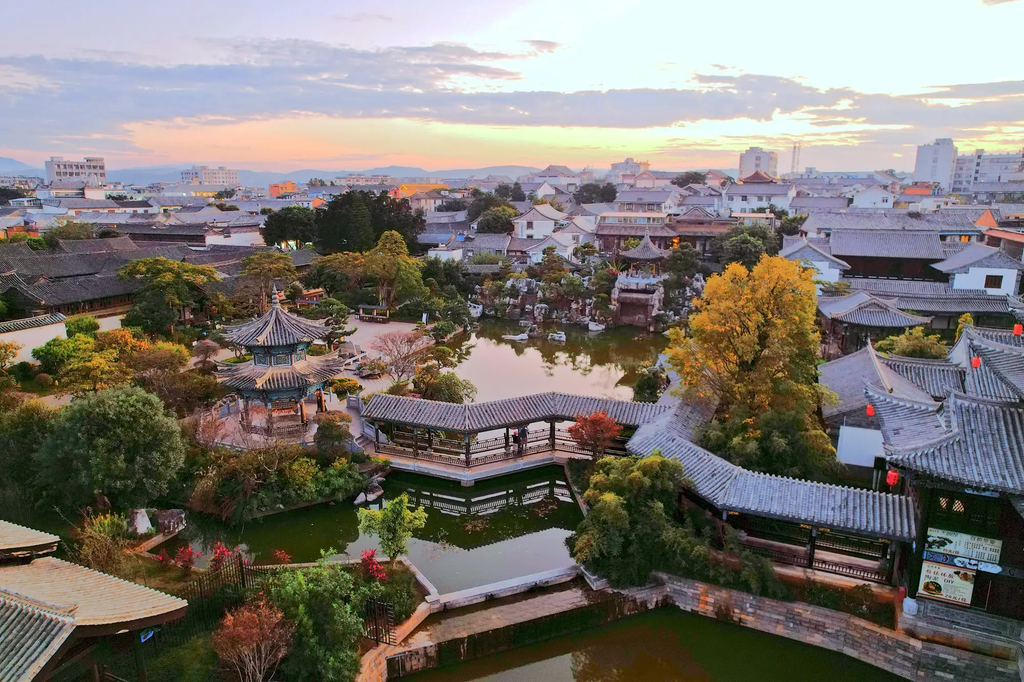
Covering 20,000 square meters, the compound features 42 courtyards and 214 rooms , connected by winding paths and corridors. It blends Han Chinese and local ethnic styles, highlighted by exquisite wood carvings, stonework, painted decorations, and classical gardens.
Each courtyard has its own character, with elaborate decorative details —carved lintels, painted beams, intricate lattices, and motifs of prosperity, longevity, and happiness. The gardens feature classical Chinese landscape elements —rockeries, ponds, pavilions, and curated plantings.
The compound's exceptional preservation lets visitors picture aristocratic life in the late Qing Dynasty. Guided tours bring its architecture and family history to life, revealing how wealthy Yunnan families blended Chinese and regional influences to create magnificent living spaces.
Jianshui Confucius Temple
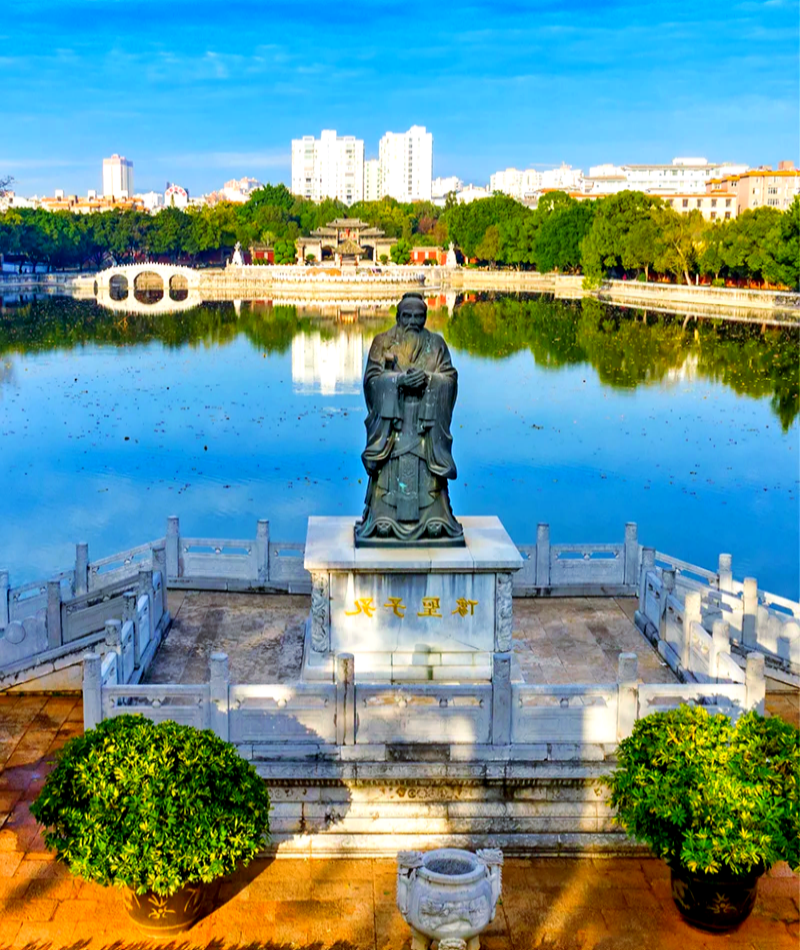
Built in 1285 during the Yuan Dynasty, Jianshui Confucius Temple is China’s second-largest Confucian temple . Covering 114 acres, the complex is a masterpiece of classical architecture in southwestern China, reflecting the region’s rich history and culture.
The temple follows traditional symmetry , with courtyards, halls, and pavilions arranged along a central axis. It also features exquisite wood carving, stonework, and roof craftsmanship.
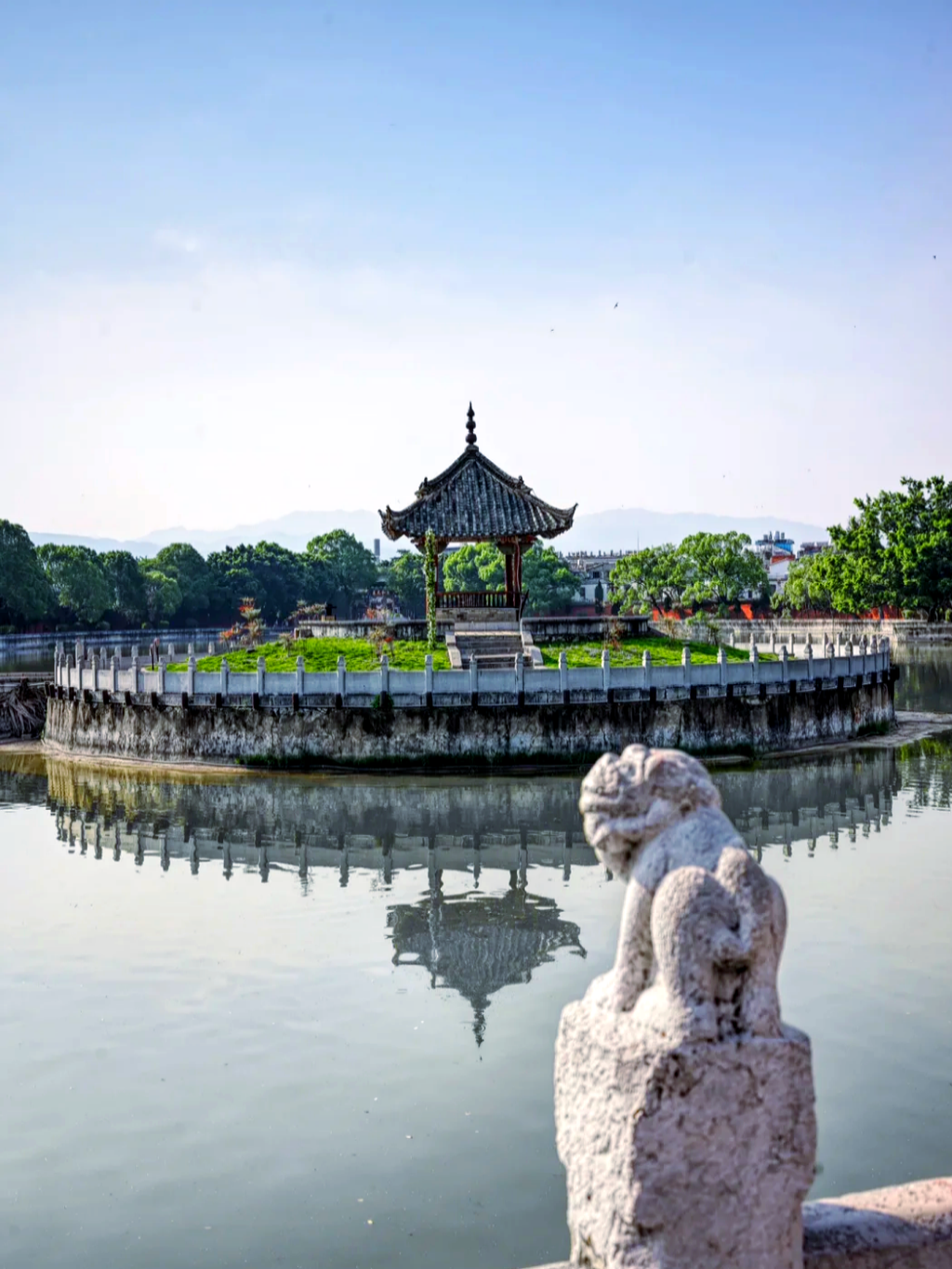
Key structures include the imposing Dacheng Hall , supported by 28 wooden pillars, and the serene Xuehai (Sea of Learning) Pond , crossed by bridges. Ancient cypress trees, some over 700 years old, add to the site's solemn and grand atmosphere .
Today, the temple remains a vital educational and cultural center that hosts ceremonies. Its tranquil setting invites reflection on Confucian values, making it an essential place to explore Chinese philosophy and architectural heritage.
Shuanglong Bridge (Seventeen-Arch Bridge)
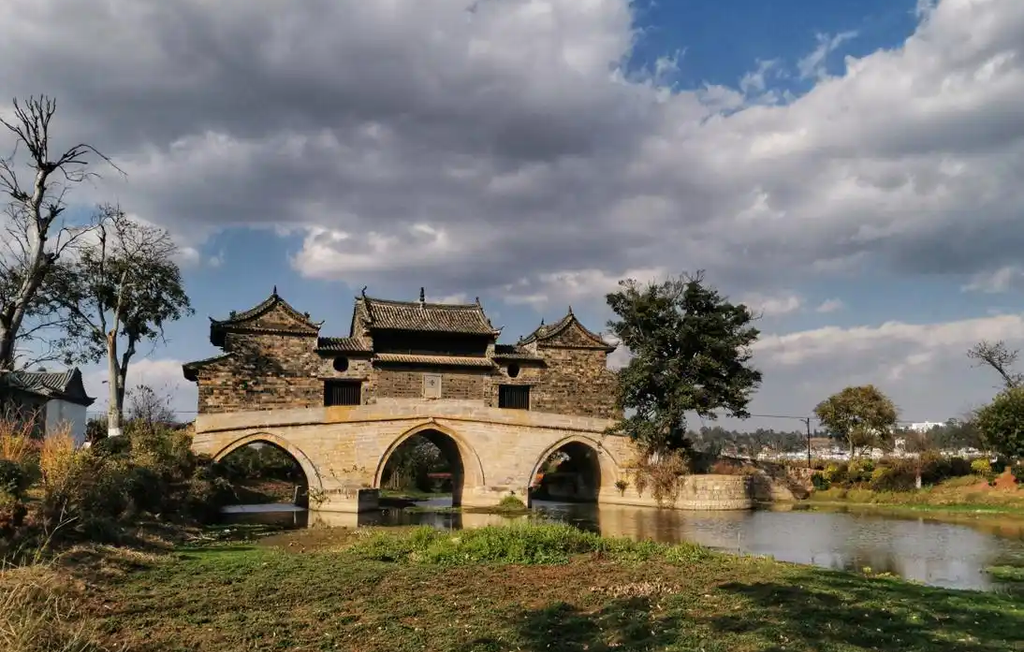
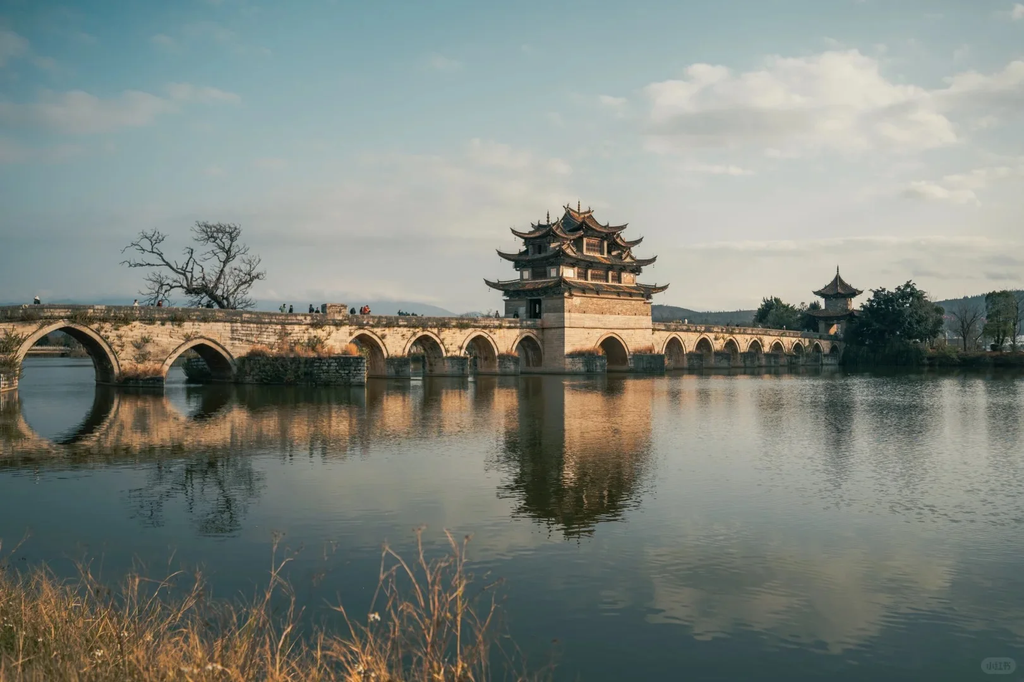
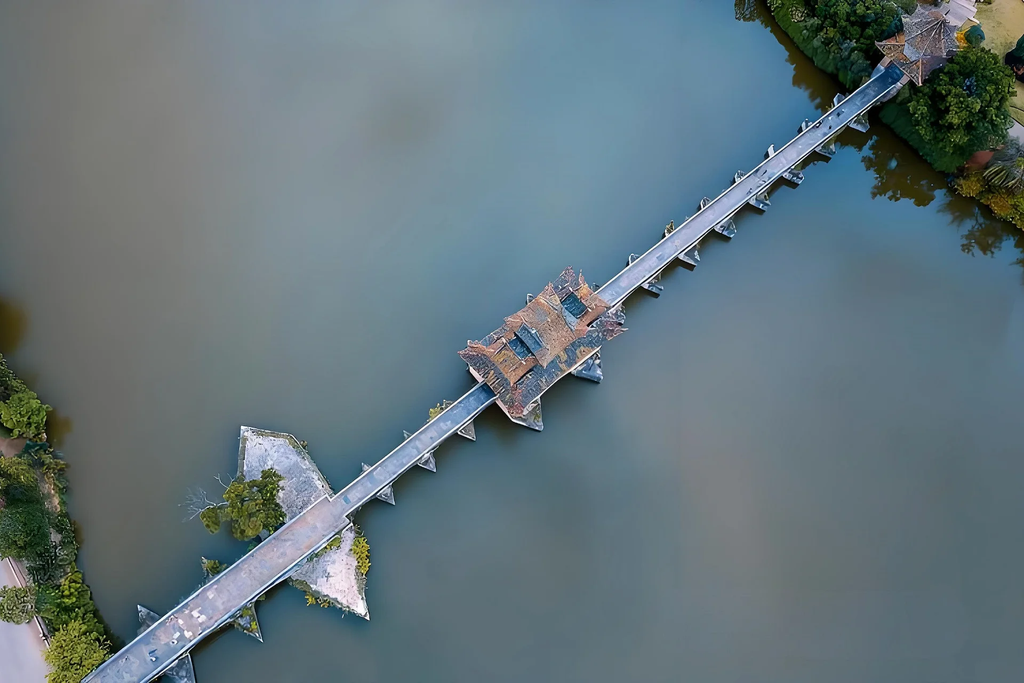
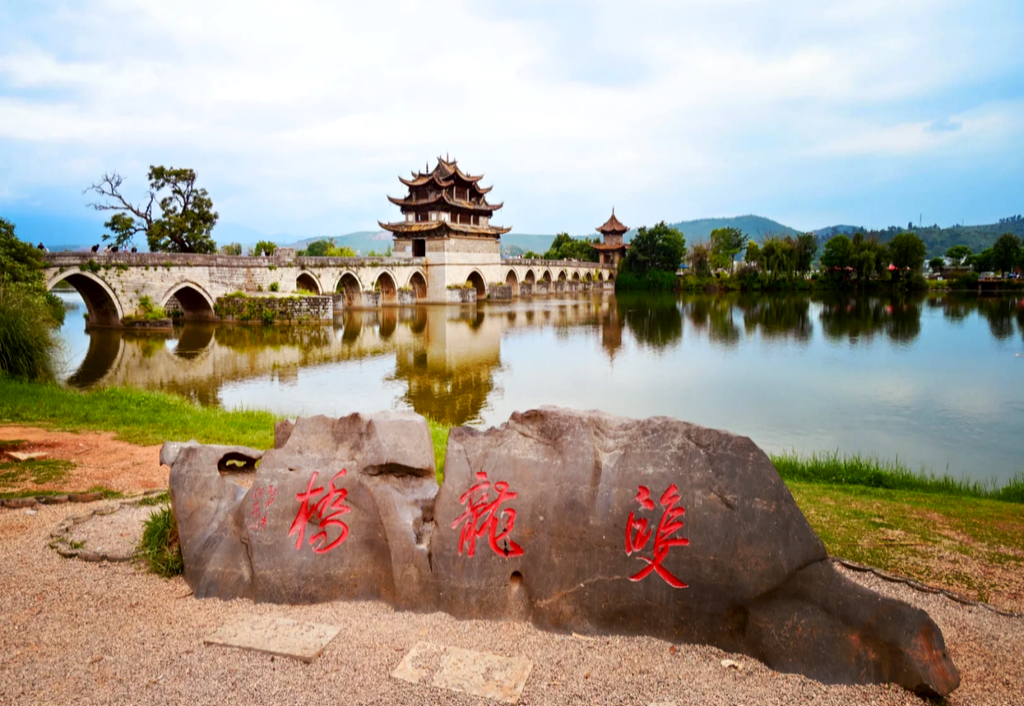
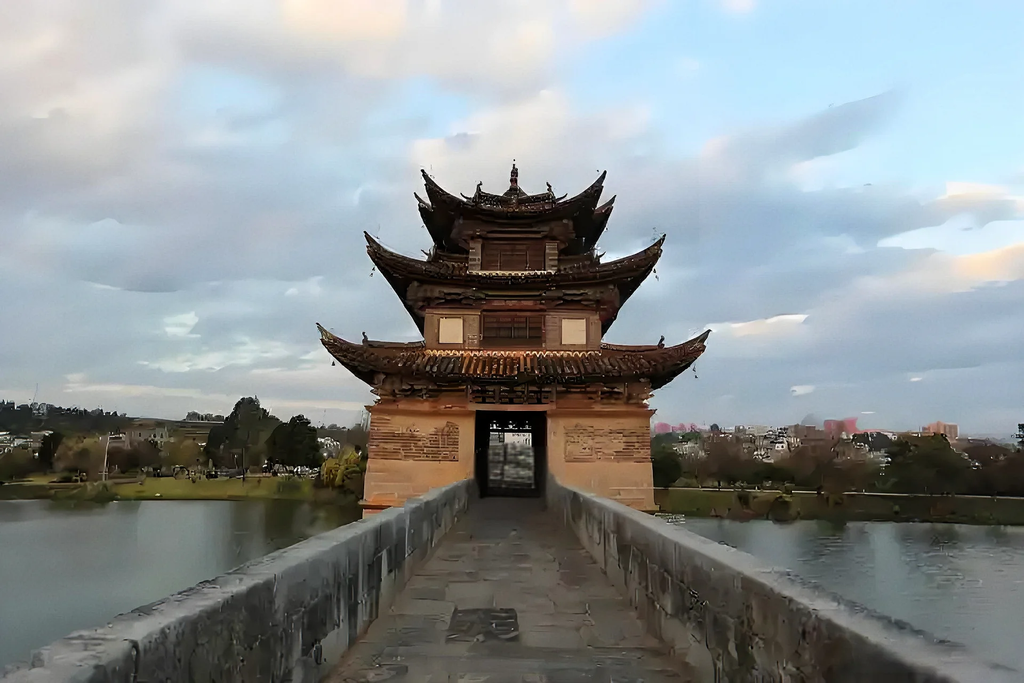
Shuanglong Bridge , a 17-arch stone bridge from the Qing Dynasty, spans the confluence of two rivers outside Jianshui. At 148 meters long, it's one of China's most impressive bridges—a striking blend of engineering strength and grace.
The bridge's seventeen arches vary in size , forming a harmonious curve. Three ornate pavilions crown its deck, serving as both shelter for travelers and social gathering spaces—a seamless fusion of function and beauty.
Built entirely without modern tools, the bridge demonstrates engineering ingenuity . Its design handles seasonal floods while maintaining elegance throughout the year.
The bridge later gained renewed fame as a filming location for a popular Chinese reality show. Sunset offers the most magical views —stone arches glowing in golden light, perfectly reflected in the calm waters below, capturing the timeless harmony of this architectural treasure.
Yuanyang Rice Terraces
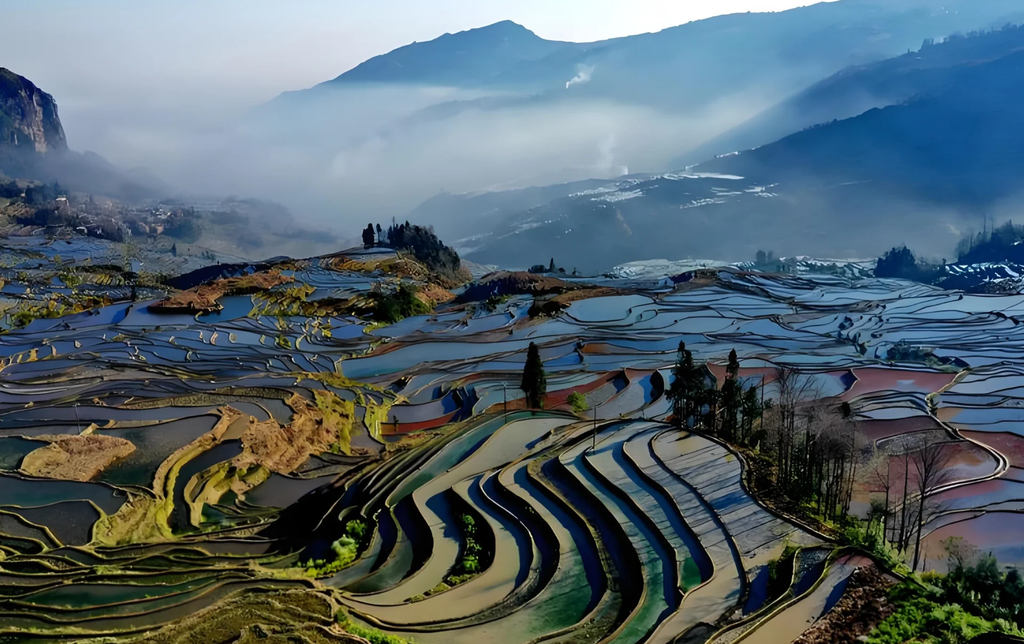
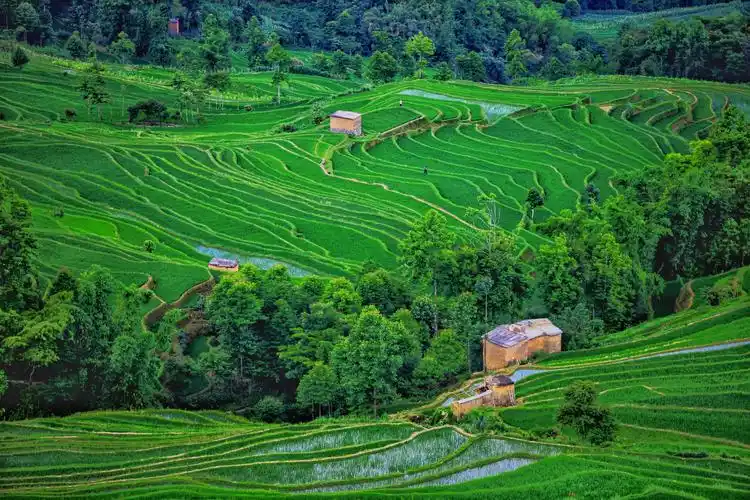
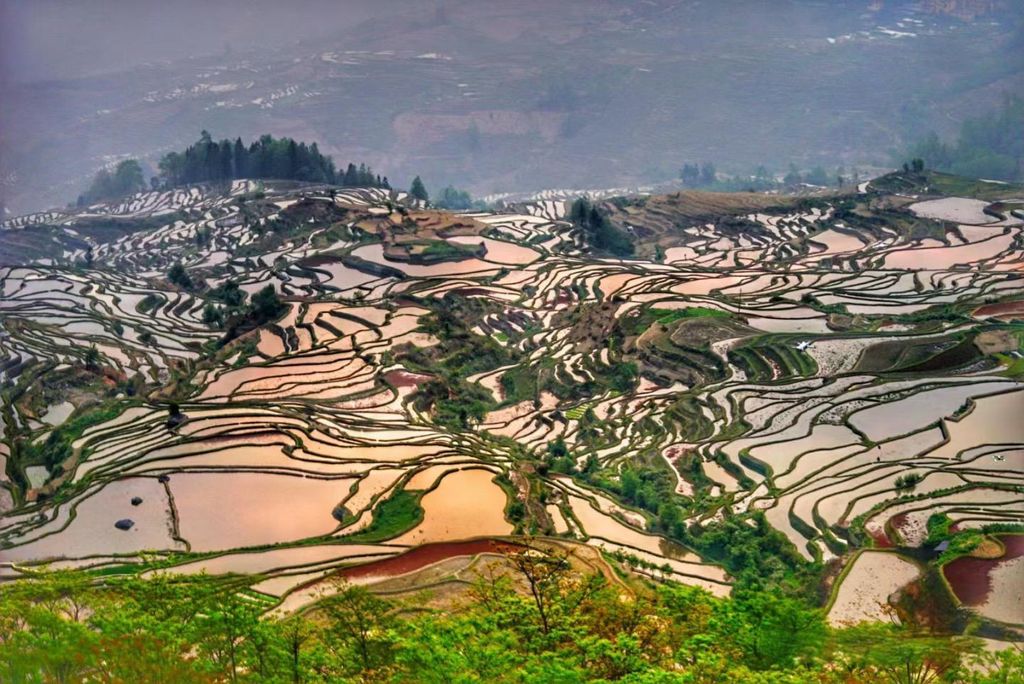
Over 1,300 years ago, the Hani people carved the Yuanyang Rice Terraces into the Ailao Mountains, creating one of the world's most spectacular agricultural landscapes . This UNESCO World Heritage Site spans over 12,000 hectares across steep mountain slopes, forming a breathtaking mosaic.
A sophisticated irrigation system channels water from mountain forests through each terrace level, demonstrating the Hani people's deep ecological knowledge—a sustainable practice refined over countless generations.
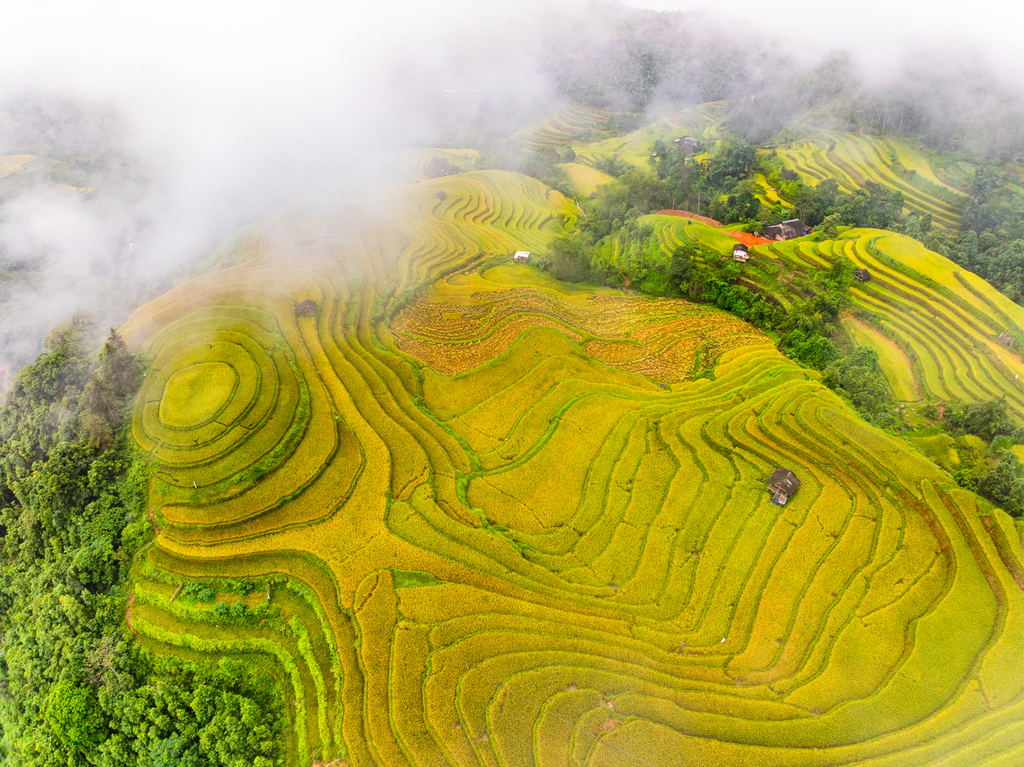
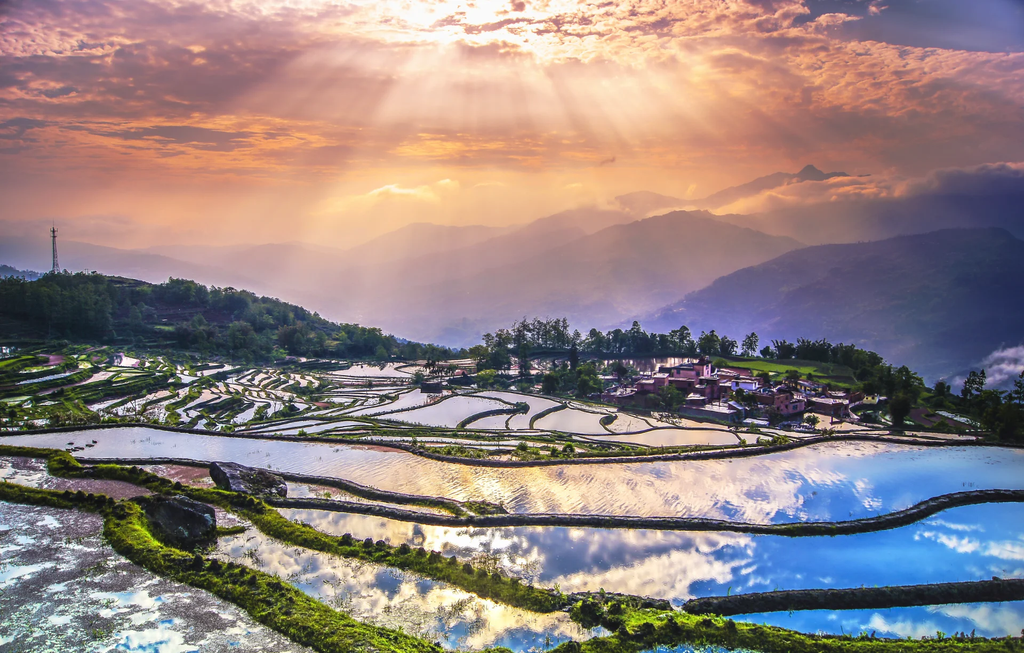
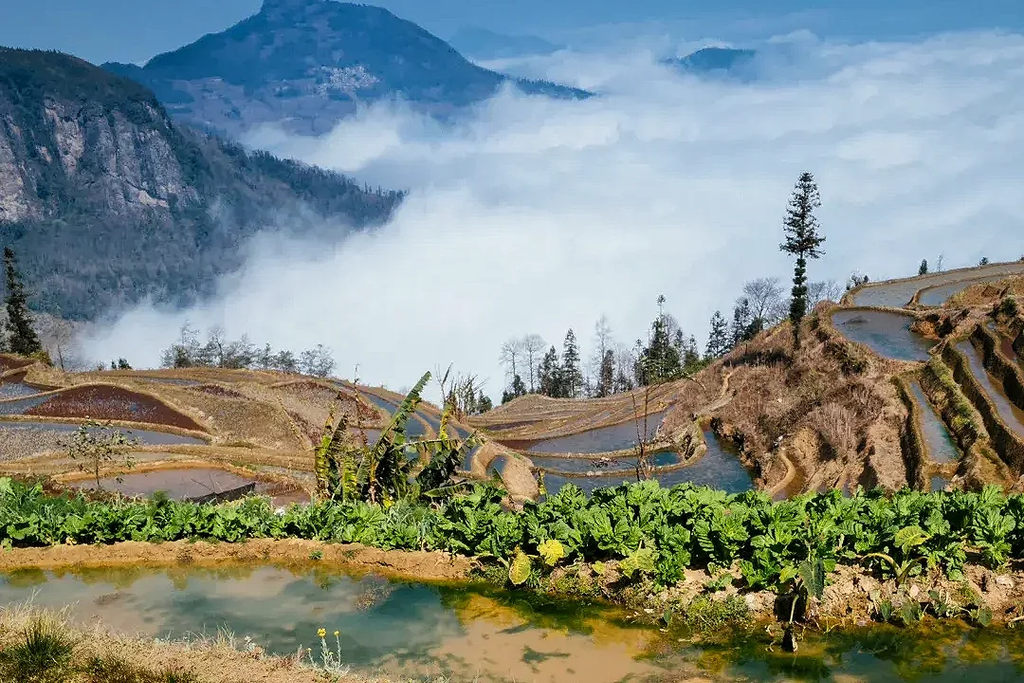
The terraces transform with four seasons: in winter , flooded fields mirror sky and clouds—iconic scene; spring brings planting as green seedlings dot shimmering water; summer cloaks slopes in lush emerald carpets veiled by cloud seas; and autumn paints terraces in golden hues before harvest.
Each viewpoint tells its story: Duoyishu for sunrise, Laohuzui for sunset, and Bada for geometric patterns. The best time to visit is November to April ; arrive before dawn for the first light spilling over the terraces—at dusk, golden and crimson hues paint a scene no camera can capture.
Yuanyang Rice Terraces Hiking
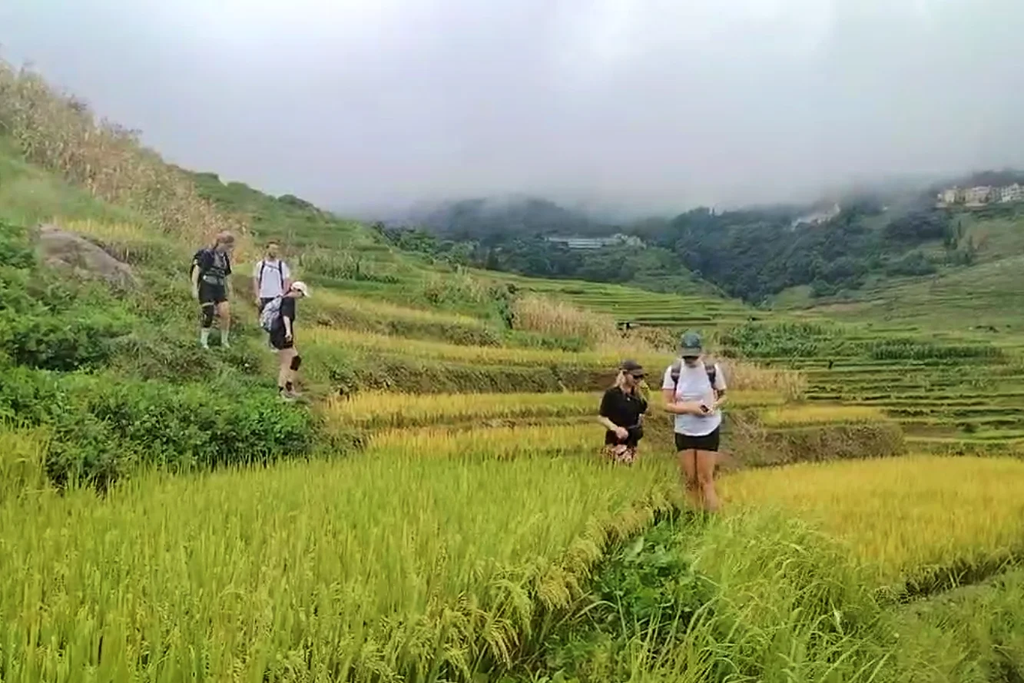
This hike immerses you in the stunning landscape of terraced rice field s and picturesque villages. Along the way, several viewpoints offer breathtaking views where you can admire the natural beauty and watch local villagers tending their fields . As you wander through this tranquil landscape, the vibrant colors, the scent of fresh earth, and the sounds of nature deepen your connection to the land and its people.
Hiking the Yuanyang Rice Terraces is a truly different experience from viewing them from afar—you don’t just see the landscape; you become part of it. Along narrow footpaths that weave between the paddies, each step brings you closer to the land. The splash of water, the rustle of rice plants, and your own footsteps blend into the fields’ natural symphony.
What lingers most, though, are the human moments. Villagers pass by carrying baskets, offering a quiet nod or a warm smile . In these encounters—walking within lines etched by generations—you feel the harmony between people and nature.
Day 3 Yuanyang Day Trip
Yuanyang Local Morning Market
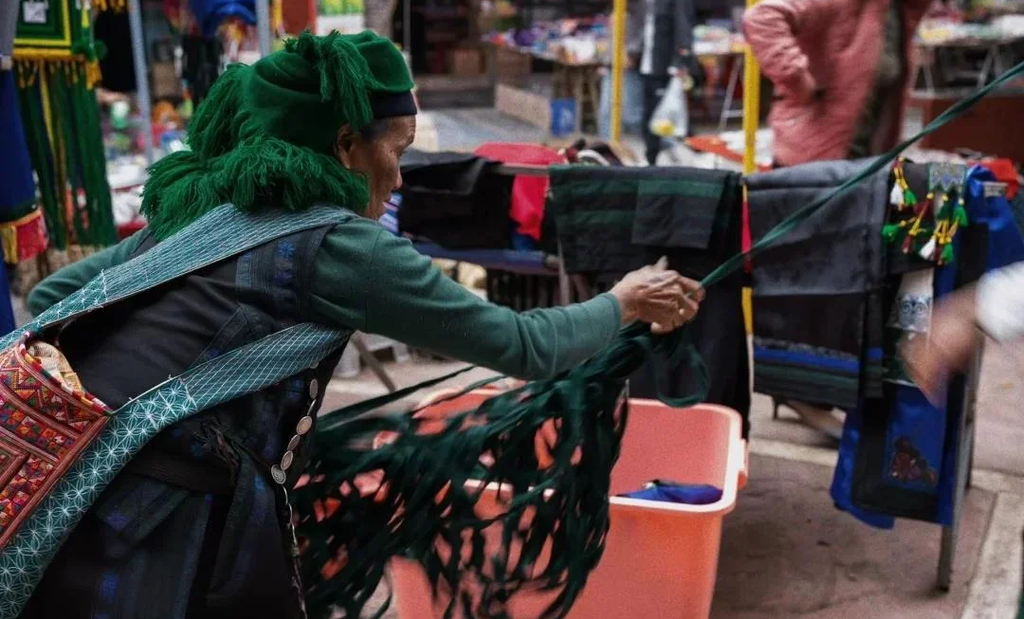
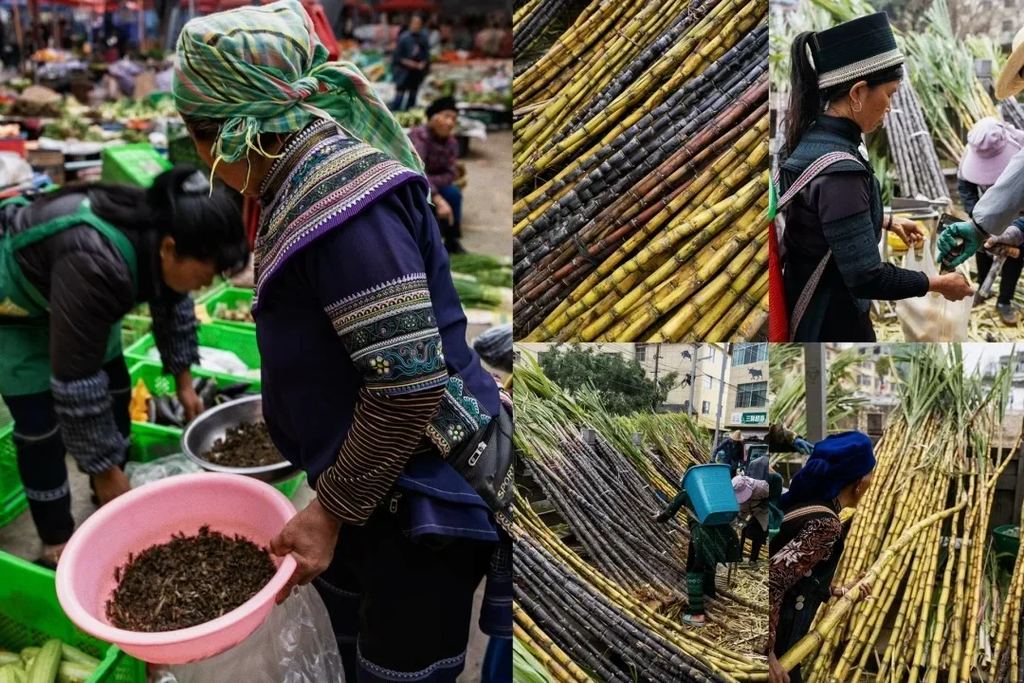
Yuanyang Local Morning Market offers an authentic glimpse into ethnic minority life , bringing together Hani, Yi, and other groups from surrounding mountain villages. This vibrant gathering showcases the region's rich cultural diversity and trading customs passed down through generations.
The market comes alive with color as vendors in traditional costumes sell fresh produce, textiles, handicrafts, and mountain products. The atmosphere buzzes with multiple languages and warm community interactions.
For the best experience, arrive between 6:00–7:00 AM when the market is most active. You'll find mountain herbs, wild mushrooms, handmade baskets, and traditional foods rarely seen elsewhere.
The market is excellent for photography and cultural insights , but always ask before photographing people. This is a real community gathering, not a tourist market—a rare chance to witness genuine local life and purchase authentic souvenirs while supporting local communities.

Azheke Ancient Village
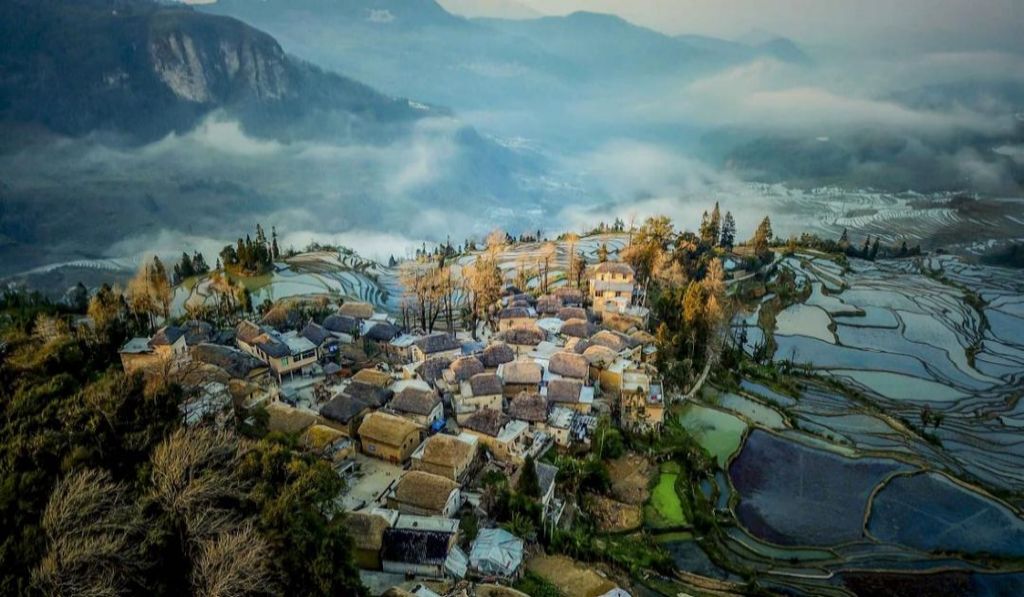
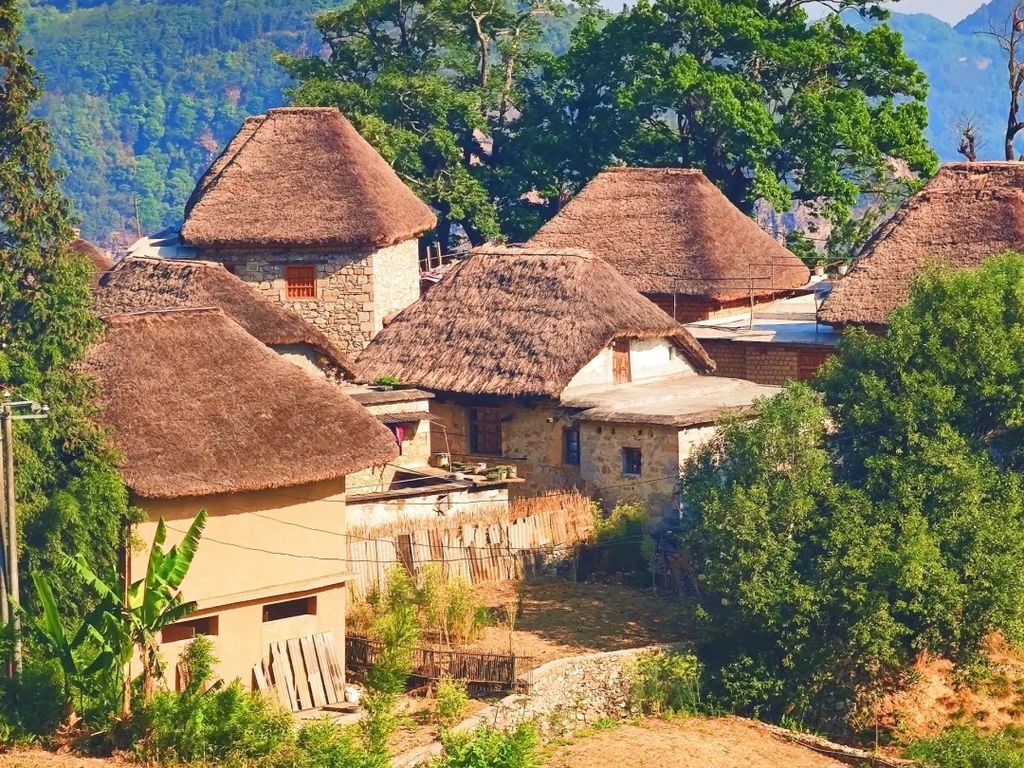
Tucked among Yunnan's Yuanyang rice terraces, Azheke Village is a hidden gem of Hani culture. More than 60 traditional "mushroom cottages" of brick and thatch have stood here for over 160 years. Walking through feels like stepping into another time —with terraced fields and lush forests all around, and history in every corner.
The village's isolation has preserved Hani traditions. Visiting feels like entering a time capsule , where old ways endure, offering a glimpse of a bygone era.
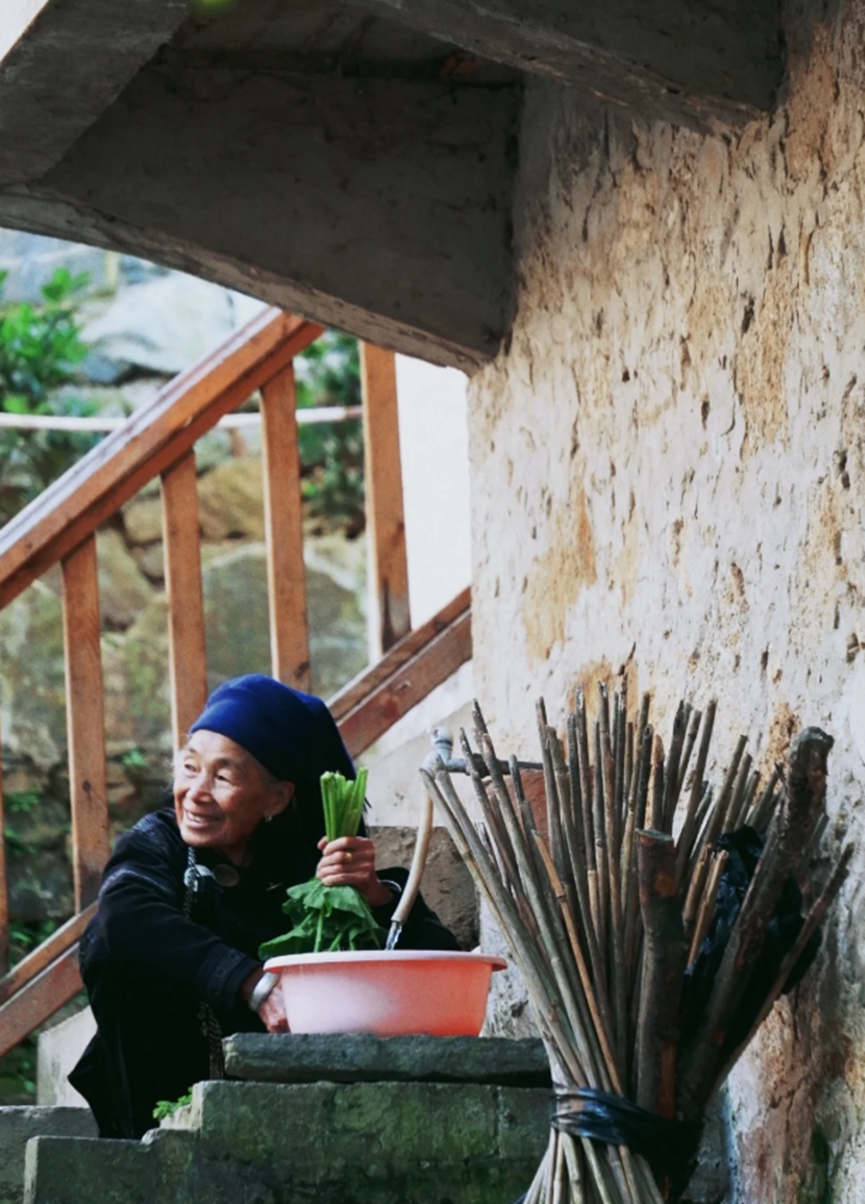
At sunset, the terraces turn golden as villagers work to nature’s soundtrack. In the evening, join a local family for dinner and enjoy rich, time-honored flavors. Time slows, inviting you to connect with the land and its people.
Beyond sightseeing, immerse yourself in local life. Enter Hani homes , experience their daily routines, help with farming, and try traditional tasks. Afterward, share a hearty meal with villagers. It's more than a meal—it's connecting with culture and creating lasting, unforgettable memories.
Day 4 Yuanyang - Gasa Town
Duoyishu Terraces
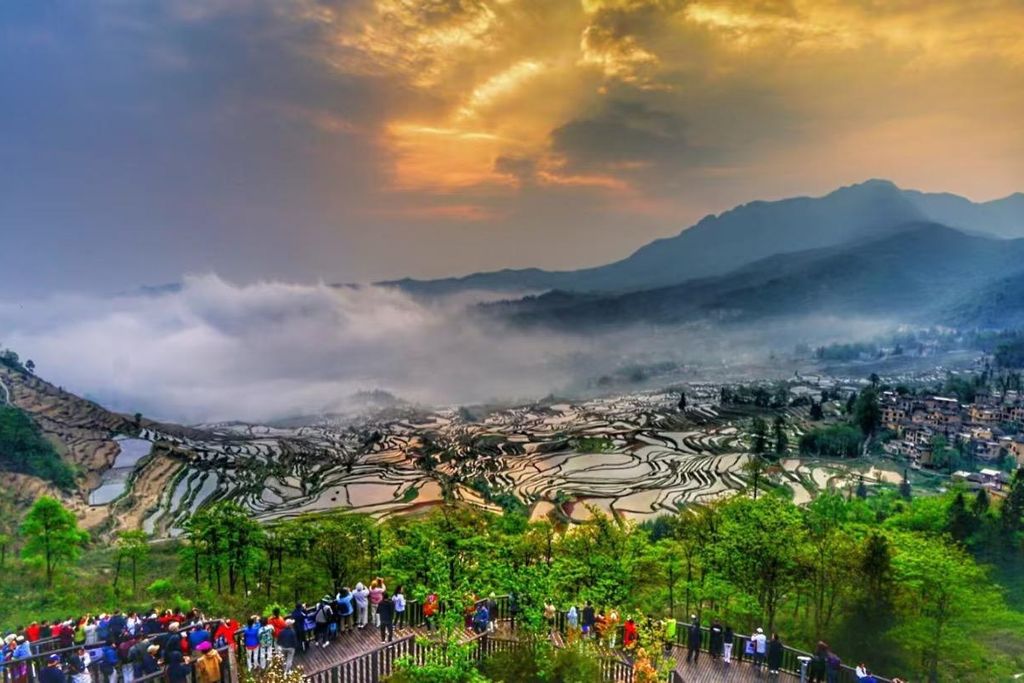
Duoyishu is widely regarded as the best sunrise viewpoint in Yuanyang, offering photographers stunning dawn panoramas. Its ideal elevation captures the first rays of sunlight illuminating the terraced landscape with spectacular results.
The terraces feature exceptional layering and depth , with hundreds of levels cascading down the mountainside. When flooded, these water-filled terraces become giant natural mirrors reflecting the sunrise's shifting colors.
As the sun rises, the view transforms—from deep blue pre-dawn to golden orange to brilliant silver. A sea of clouds often fills the valleys below, adding magic to the scene.
Arrive early, as the best light occurs between 6:30–7:30 AM . The platform can be crowded, but the spectacle is worth it. Duoyishu perfectly captures Yuanyang's terraced beauty and offers one of China's most iconic landscape photography opportunities.
Day 5 Gasa Town - Kunming
Gasa Grand Market
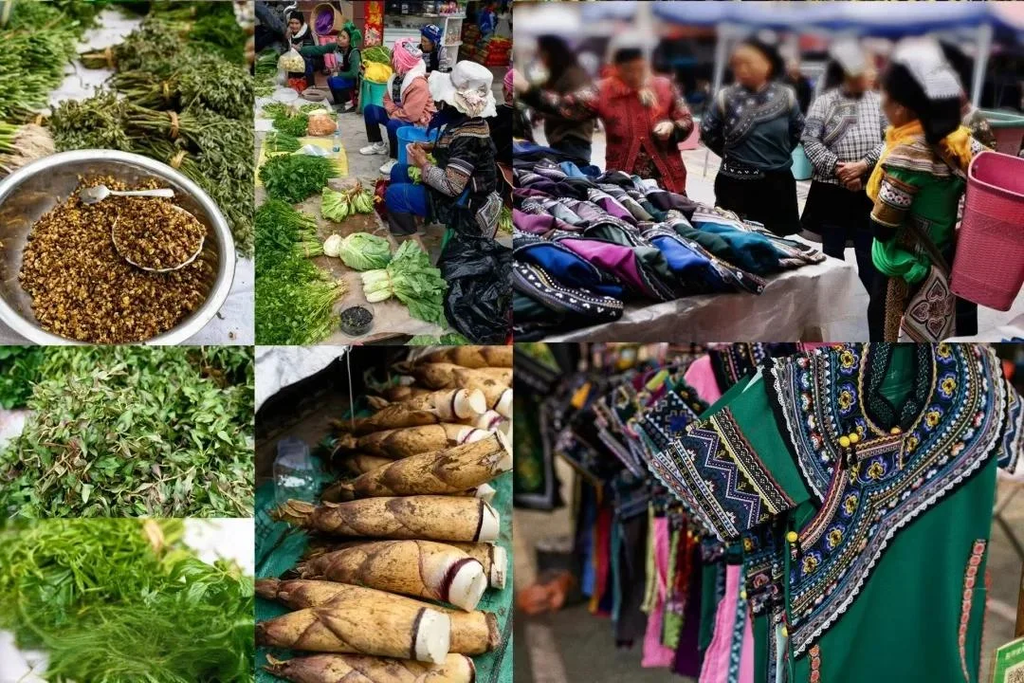
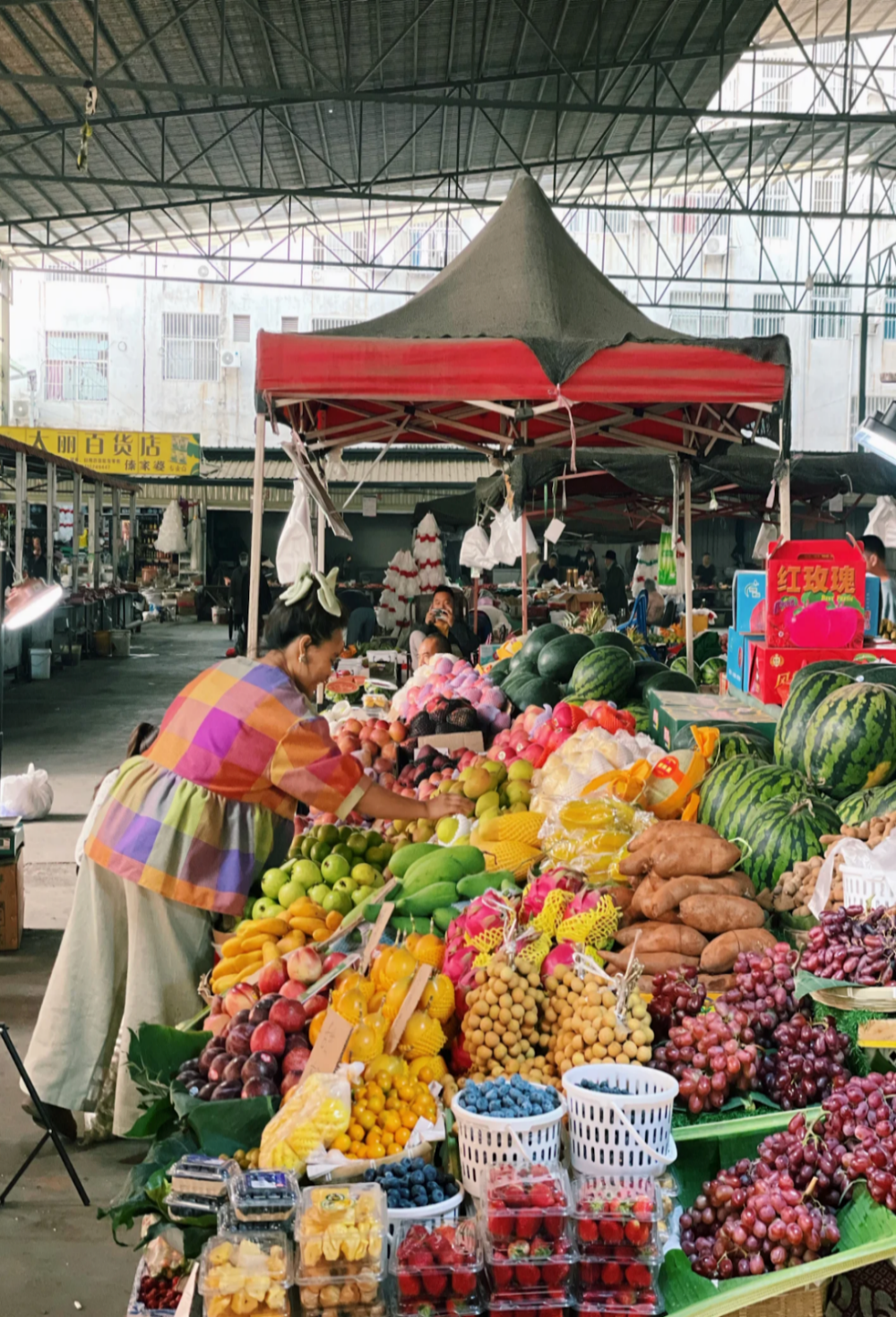
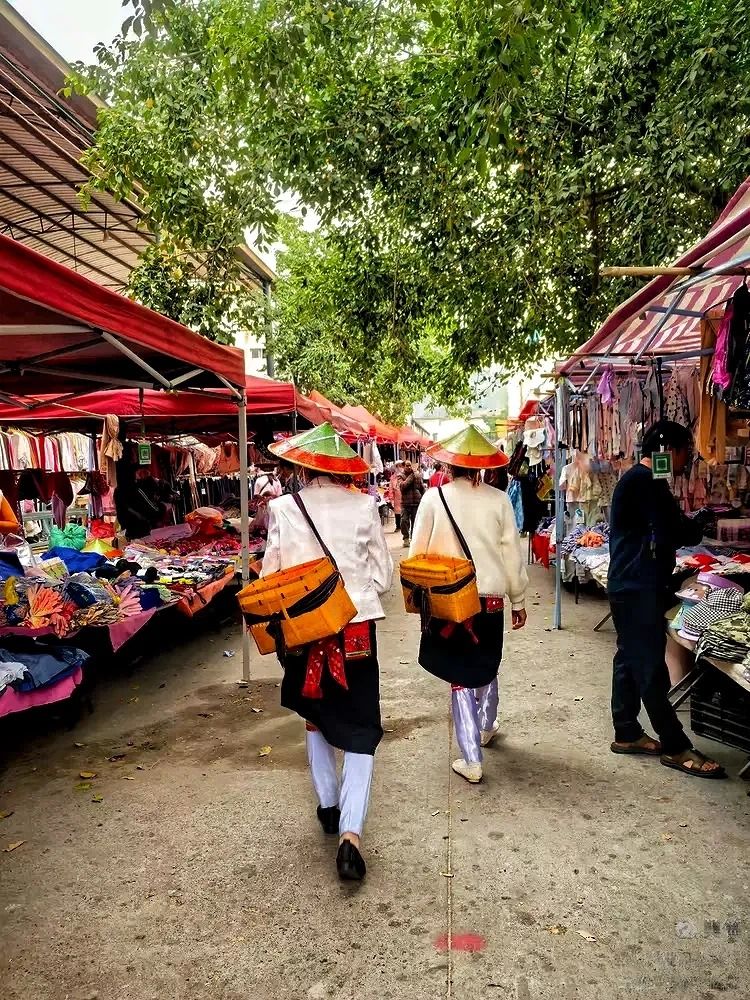
Nestled beneath the Ailao Mountains in Xinping County, Gasa Town hosts one of southern Yunnan's most colorful and authentic rural markets . On market days, streets come alive as Dai, Yi, Hani, and ethnic communities arrive from nearby villages to trade, socialize, and celebrate.
A sensory feast : stalls overflow with tropical fruits, foraged mushrooms, herbs, and bamboo shoots. Vendors in traditional dress sell handwoven textiles, embroidered bags, and silver jewelry, while the aroma of grilled meats and sticky rice fills the air.
Gasa's Dai ethnic character shines. As cultural heart of the Huayao Dai (花腰傣) — a subgroup known for elaborate sashes and costumes — it offers a window into living traditions rarely seen elsewhere . Spot women in traditional attire, artisans crafting bamboo, or farmers bartering livestock.
The market typically peaks before noon and winds down by midday , so start early. Pair perfectly with a morning visit before heading into the Jinshan Virgin Forest that afternoon. For travelers seeking an unfiltered glimpse of rural Yunnan — far from crowds — Gasa Grand Market is unforgettable.
Jinshan Virgin Forest (Ailao Mountains)
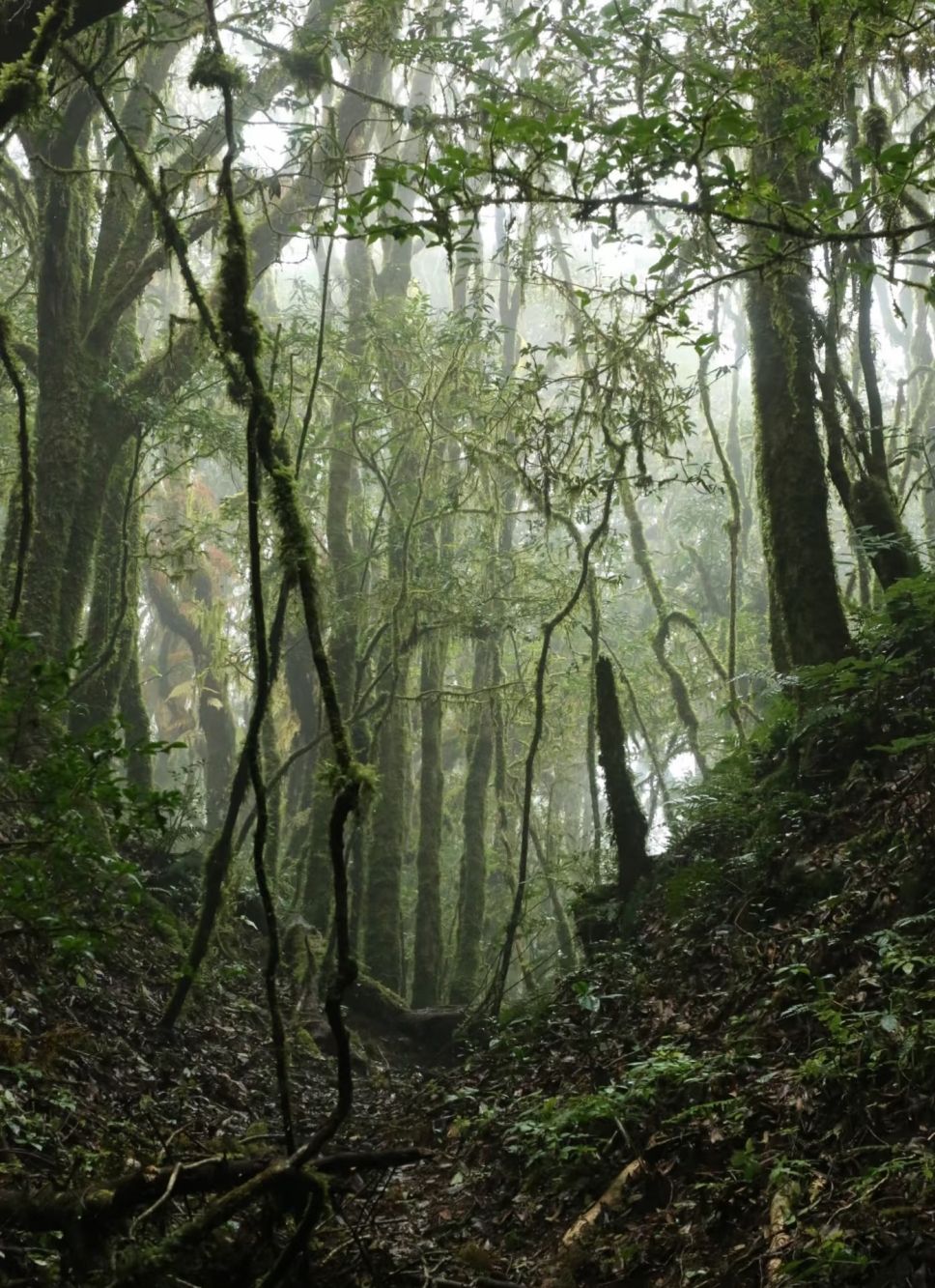
Located at Jinshan Pass on the Ailao Mountains (~2,300 m) , Jinshan Virgin Forest is one of the most pristine subtropical cloud forests worldwide . As part of the Ailao Mountain National Nature Reserve, it has 85.1% forest coverage—one of the most complete ecosystems at this latitude.
Year-round mist drapes the canopy, creating an otherworldly atmosphere. Ancient trees rise like giants, cloaked in emerald moss. When sunlight breaks through, mesmerizing Tyndall light rays —golden beams slicing through the fog—lend the forest its “real-life fairy tale” reputation.
Its "four seasons in one mountain" microclimate nurtures rich biodiversity: rare ferns, wild orchids, camphor trees, and birdsong everywhere. A habitat for the endangered Western Black-crested Gibbon and migratory bird corridor, it offers an immersive encounter few places match.
A well-maintained boardwalk loop (1.5–2 hours) winds through the forest. It’s flat, beginner-friendly, and can be done without a guide. Because it’s a loop, there’s no backtracking, making it ideal for families and older travelers. Wilder, unmarked trails lead deeper into the forest—but a guide is required.