



Where Gusu Canals, Stone Bridges & Classical Grace Unfold
Suzhou, historically known as Gusu , is a beloved Jiangnan city celebrated as the “City of Gardens” —a poetic world of canals, stone bridges, whitewashed walls, and black-tiled roofs. This journey reveals the timeless beauty of Jiangnan , where gardens, ancient lanes, and waterside neighborhoods unfold like a painting. Begin with elegant gardens and historic quarters, where thoughtful design meets everyday life, then continue to old temples and wooded hills, where the sound of bells invites quiet reflection.
As the journey slows into a water town, lanterns glow above stone bridges and oars bring riverside life into view. Moving through landscapes, history, and tranquility , this route captures Suzhou’s poetic spirit—from UNESCO-listed gardens to Jiangnan’s peaceful canals and the graceful everyday life shaped over generations.
Our Itinerary
3-Day Trip
Day 1 Classical Gardens & Historic Streets
Suzhou Museum
Located on Suzhou’s Northeast Street and surrounded by traditional homes, the museum showcases Wu artifacts spanning millennia—but the building itself is the highlight. It is a late masterpiece by architect I. M. Pei . Pursuing his vision of something " new yet Chinese, new yet Suzhou ," Pei blended classical garden elements —white walls and lattice windows—with glass and steel . Light pours in through skylights, creating shifting patterns across the floors and walls.
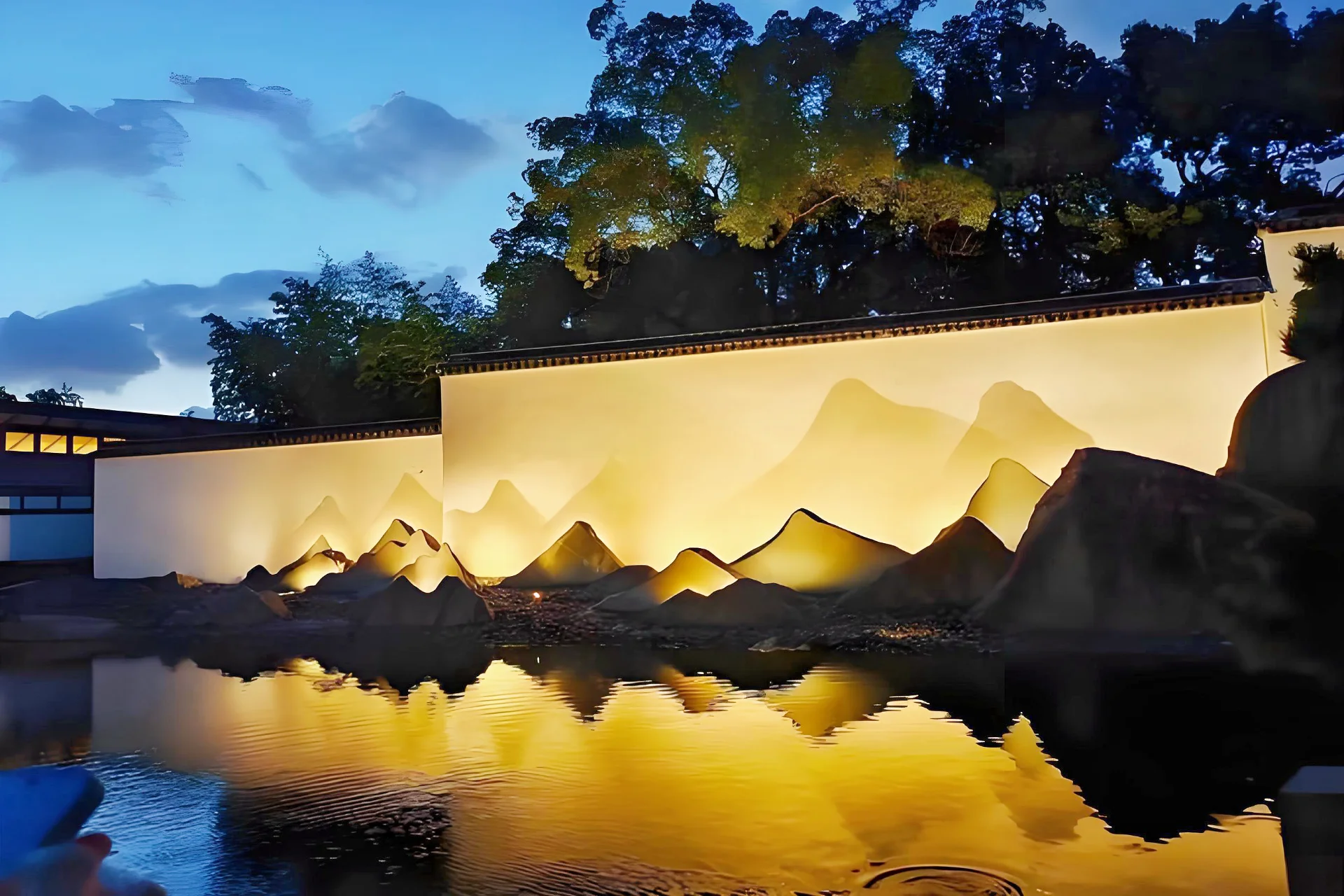
At the museum's heart lies the Main Courtyard , home to the " Rockery of Split Stones ." Against the north wall, Pei arranged sliced stones like brushstrokes on canvas, creating a three-dimensional ink-wash painting .
The museum is more than a history repository—it's a living dialogue between past and future. Through light, shadow, and space, it invites visitors to experience Suzhou's essence.


The Humble Administrator's Garden
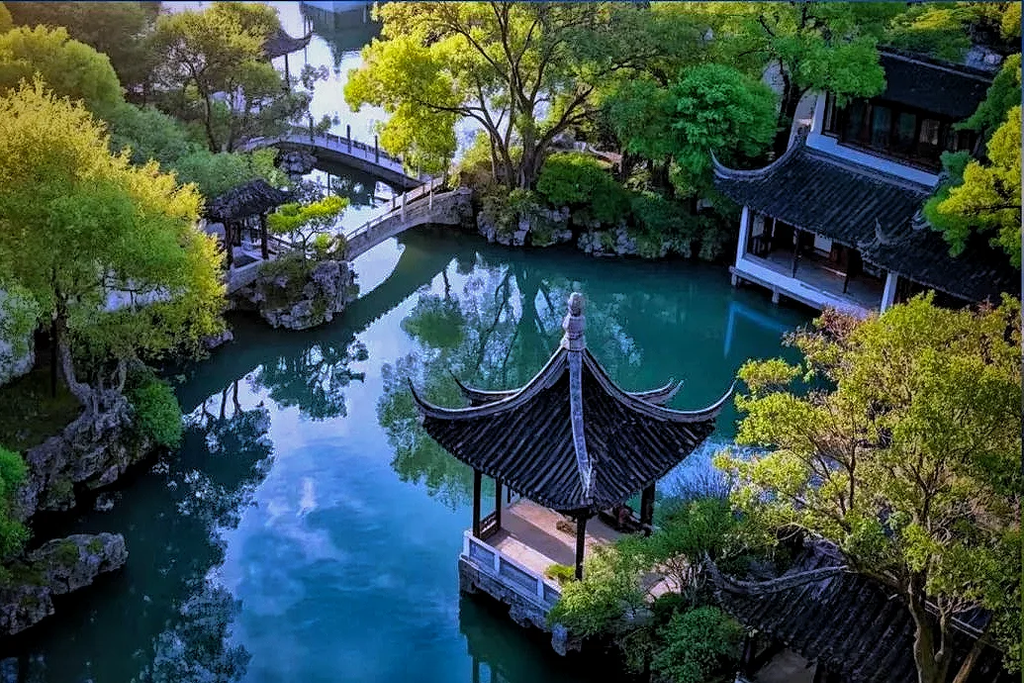
Built in 1509 by Wang Xianchen, this 52,000-square-meter UNESCO World Heritage Site is Suzhou’s largest garden. Wen Zhengming inspired its 31 scenic spots —a Jiangnan masterpiece .
East Garden: Shuoxiang Hall, Lotus Pavilion. Central Garden: Ming charm — Yuanxiang Tang amid lotus, "Little Flying Rainbow" bridge , Xiangzhou. West Garden: Wave-Shaped Corridor, Thirty-Six Mandarin Duck Hall, “With Whom Shall I Sit” Pavilion .
The “borrowed view” frames Beisi Pagoda. Little Flying Rainbow Bridge—only covered bridge—casts red arc. Hall of Distant Fragrance : lotus scent. Wuzhu Youju: bamboo retreat. Water is the garden’s soul—pools, streams, pavilions, corridors, rockery along water’s edge, following “though man-made, it appears crafted by nature.” Seasons: spring azaleas, summer lotus, autumn maples, winter snowscapes—every visit a different painting.

Lion Grove Garden
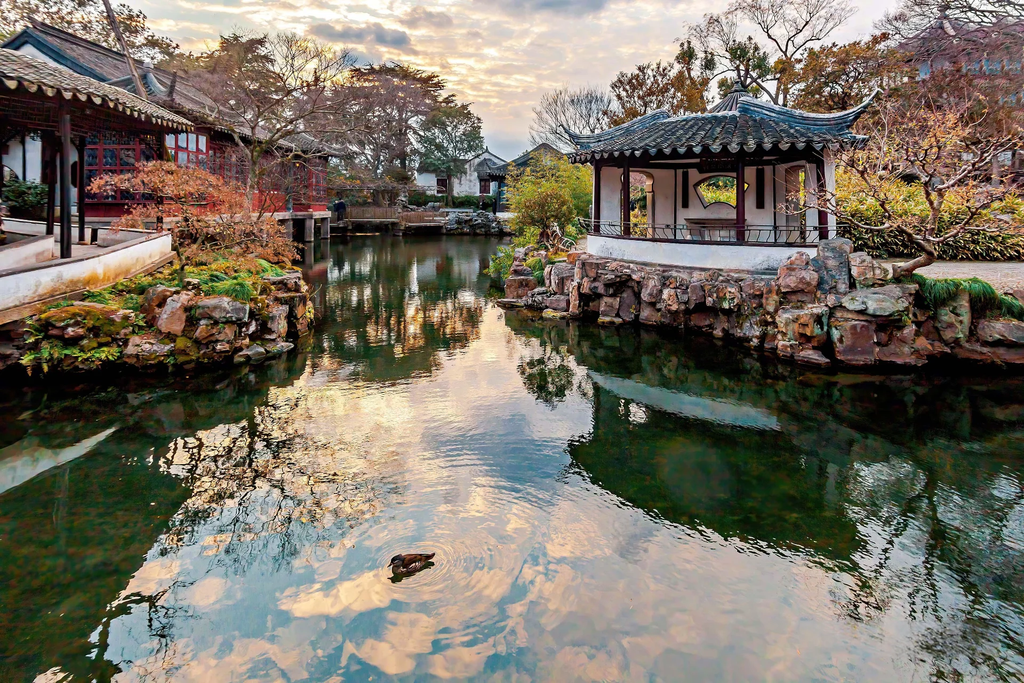
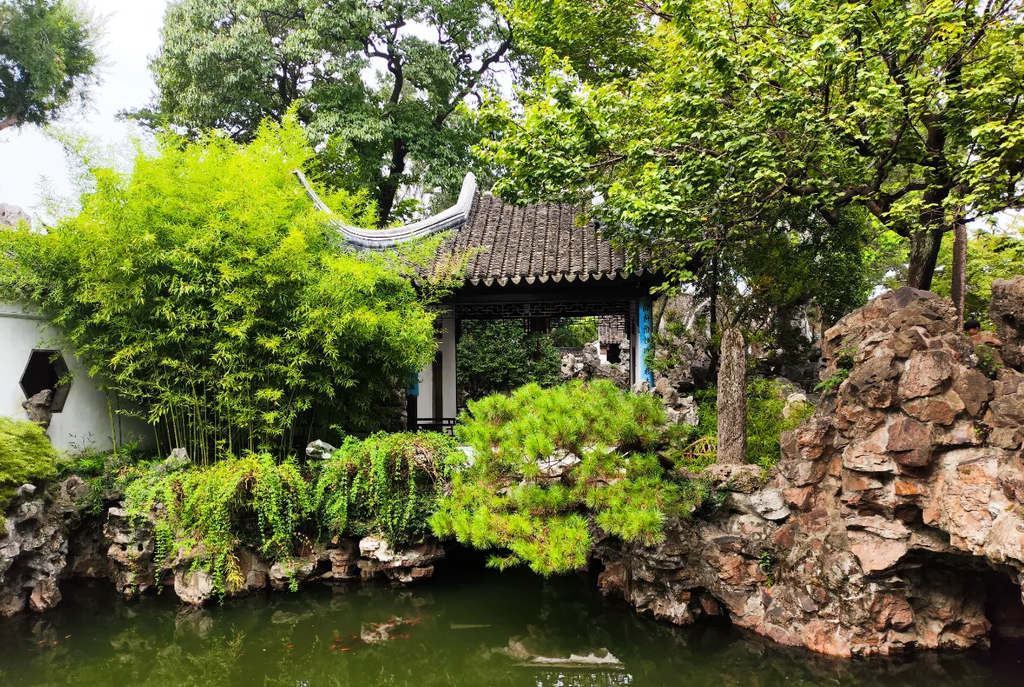
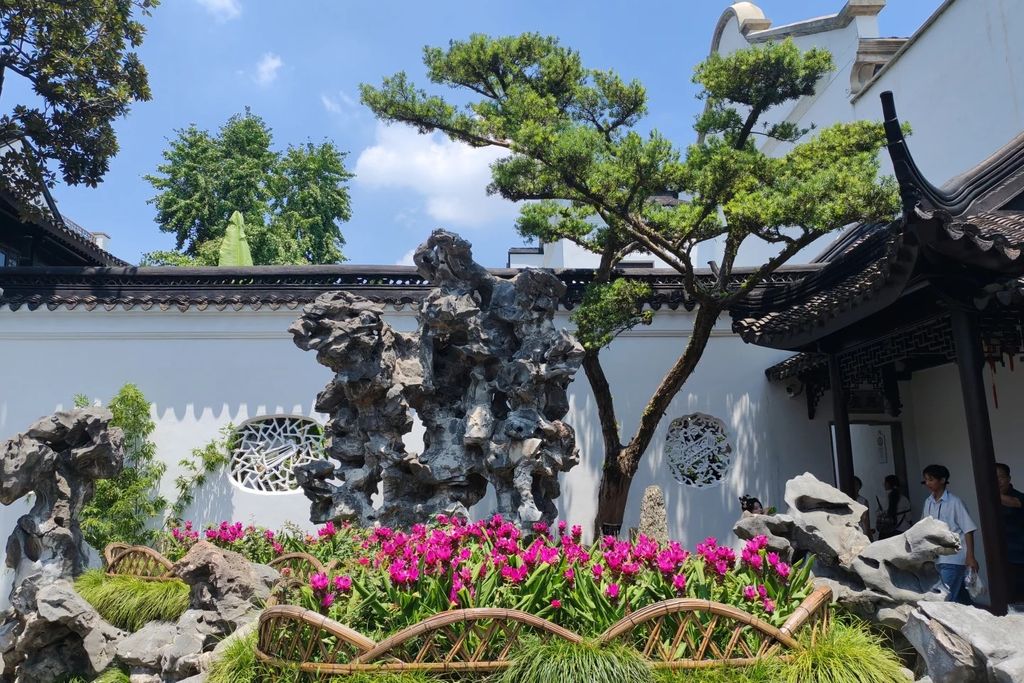
Built in 1342 in Suzhou, Lion Grove Garden is one of the city's most celebrated classical gardens. This UNESCO World Heritage Site is famed for its Taihu rockery maze , inspiring the nickname " Kingdom of Rockery ."
The name " Lion Grove " comes from lion-shaped rocks and Buddhist symbolism. Once a Zen Buddhist sanctuary , the garden later rose to prominence after Qing Emperor Qianlong visited six times . He personally inscribed the plaque "True Interest" and ordered replicas to be built for Beijing's imperial gardens.
At the garden’s center stands a sprawling Taihu-limestone rockery, laced with nine winding paths and twenty-one caves . Visitors wind through a maze of towering peaks and hidden, twisting passages—footsteps echo softly, while people remain out of sight, creating a truly magical, one-of-a-kind experience.
Elegant pavilions frame the scene. The Hall of Felicity welcomes visitors, while the Pavilion of True Interest displays Emperor Qianlong’s calligraphy. The Tower of Asking the Plum , decorated with plum-blossom motifs, embodies the garden’s poetry and Zen spirit.
Pingjiang Road
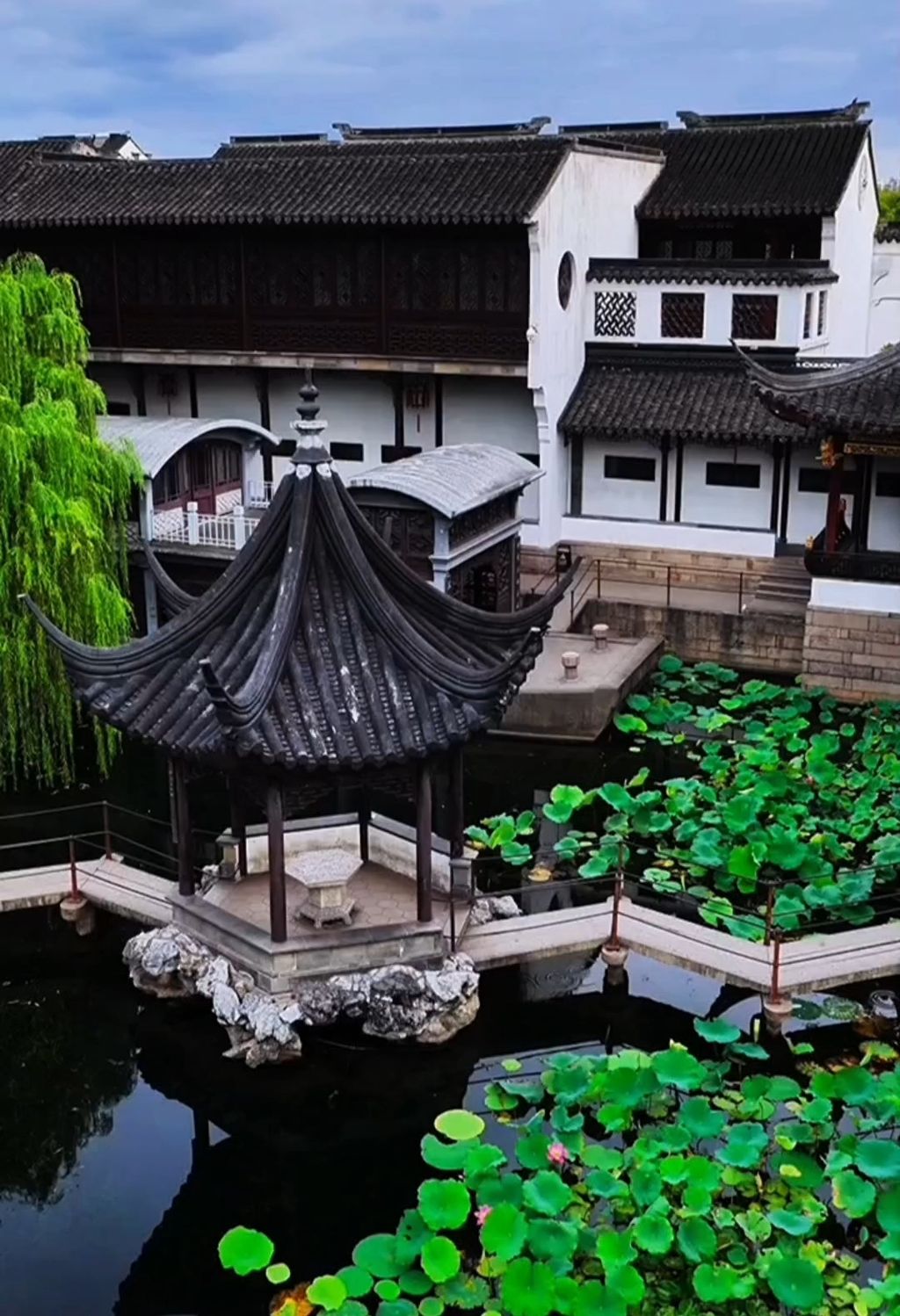
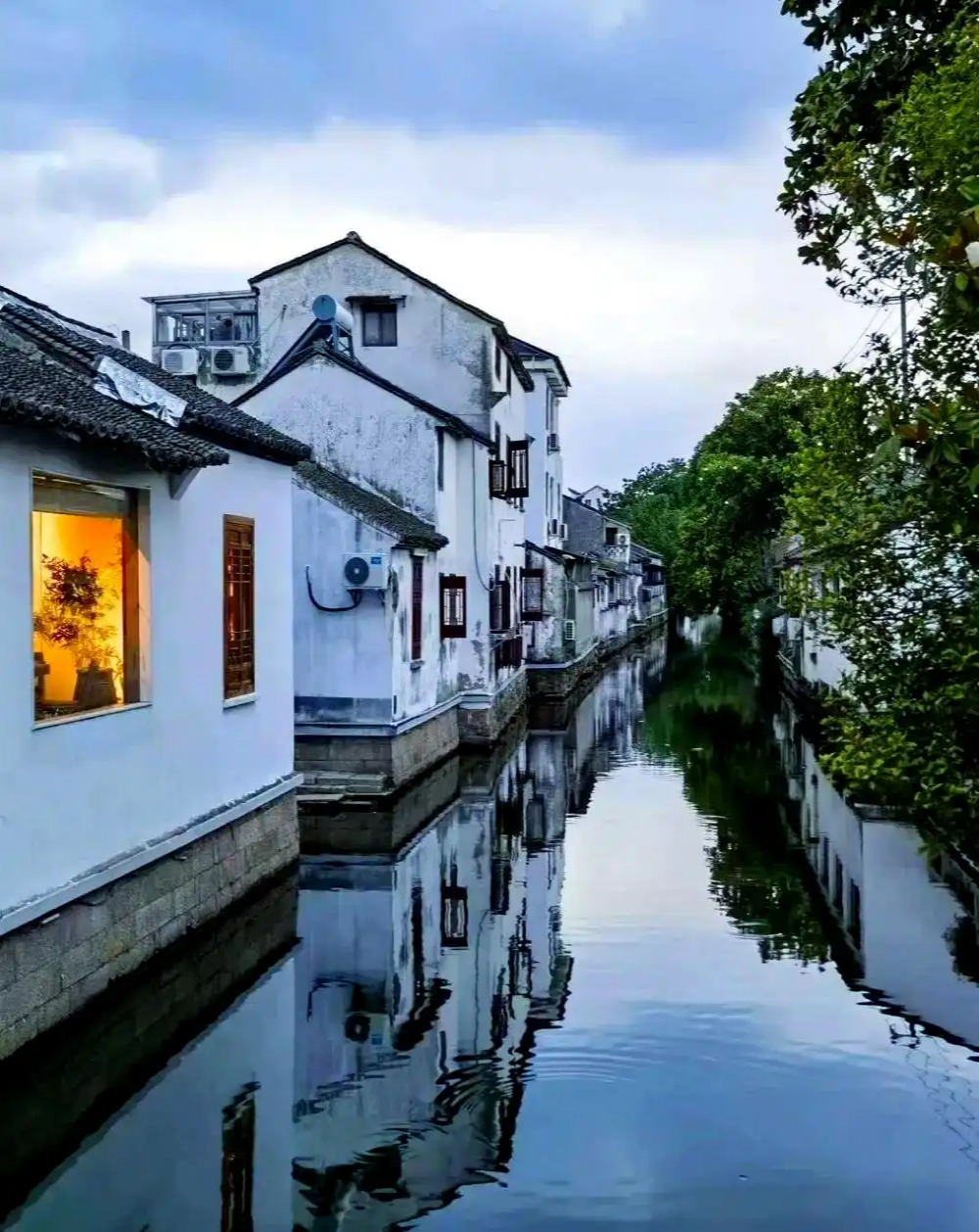
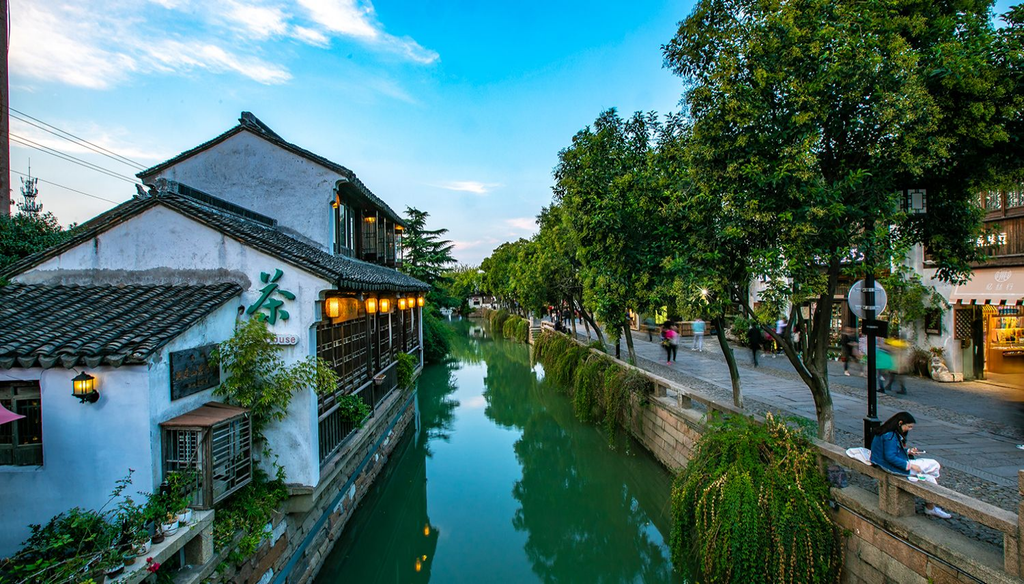
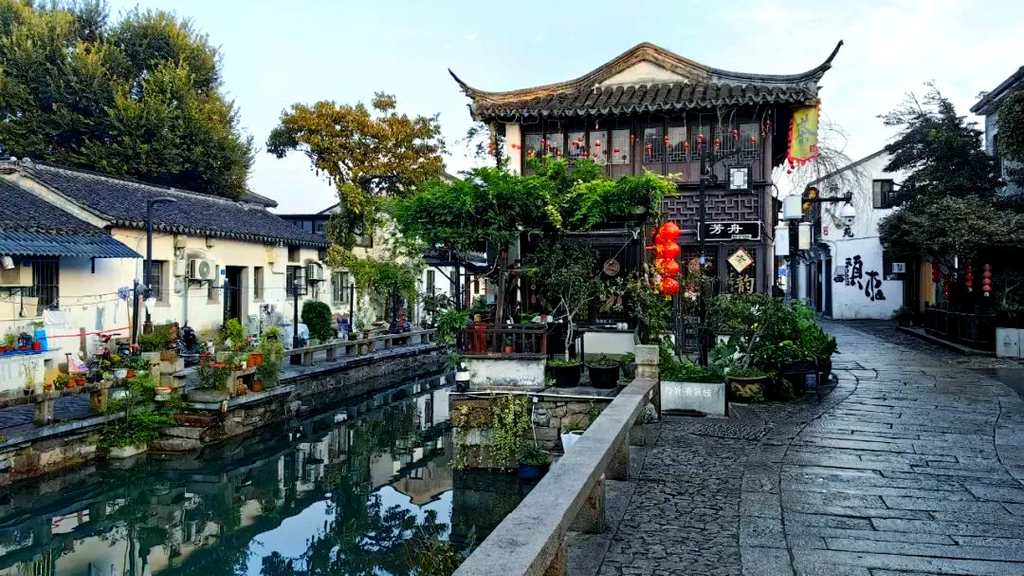
Pingjiang Road is one of Suzhou's most historic and picturesque lanes, dating back over 800 years . This scenic 1,606-meter street runs quietly along a narrow winding canal and first appeared on the celebrated Pingjiang Map, China's oldest surviving city plan, dating from the Southern Song Dynasty. It preserves the classic water-town layout where "waterways run parallel to streets, and houses face the river."
Framed by whitewashed walls, black-tiled roofs, and stone bridges , Pingjiang Road still proudly retains its wonderfully authentic charm. Sample local snacks and savor Suzhou specialties —Squirrel-Shaped Mandarin Fish, silky Crab Roe Tofu, and tangy Sweet and Sour Spare Ribs. With its rich blend of living history, elegant architecture, and refined cuisine, Pingjiang Road offers visitors a truly vivid glimpse into Suzhou’s rich and enduring canal culture.
Day 2 Ancient Temples & Historical Hills
Xiyuan Temple (Xiyuan Jiechuang Monastery)
Suzhou's Temple Where Zen Meets Daily Life
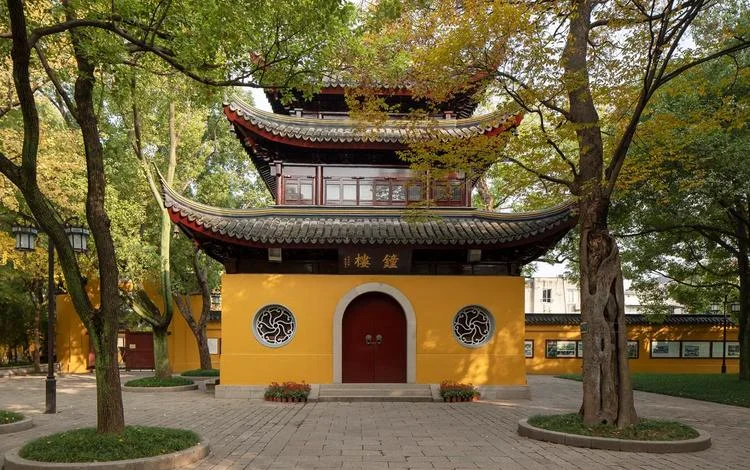
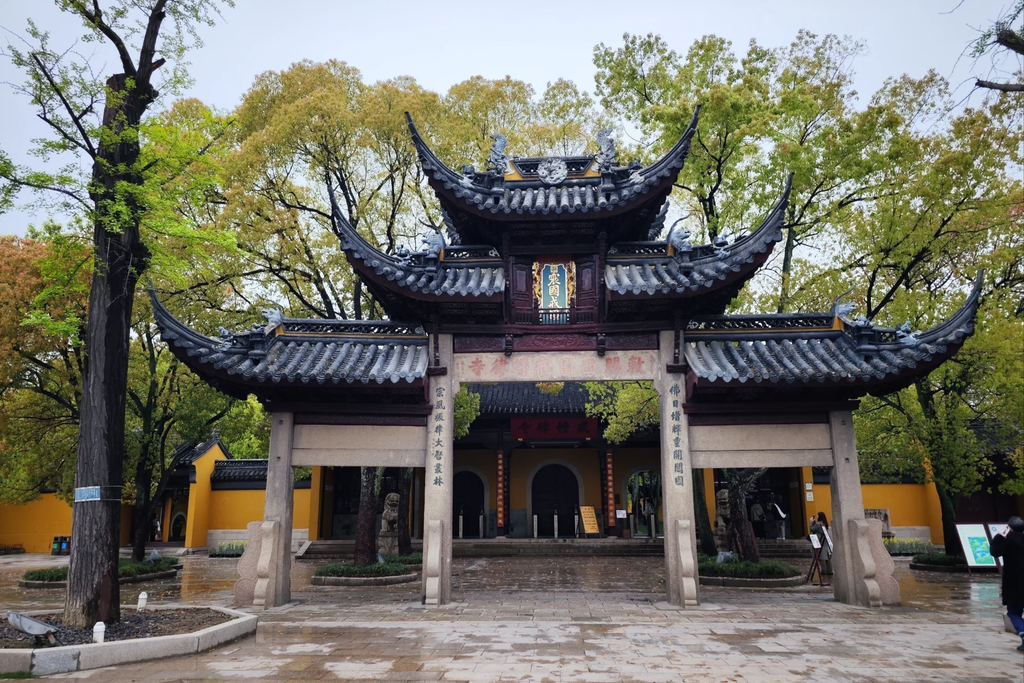
Xiyuan Temple (Xiyuan Jiechuang Monastery) sits outside Suzhou's Chang Gate . This sanctuary blends serene architecture, classical gardens , rare wildlife, and Zen practice —earning its reputation as "Suzhou's most rewarding temple to visit."
Architecture & Garden : The temple is laid out along a central axis that leads to the tranquil West Garden—a full Jiangnan style classical garden.
Living Treasures : Two highlights stand out: a critically endangered Yangtze Giant Softshell Turtle and one of China's four Halls of 500 Arhats , where every statue has a distinct expression.
Zen Living : Slow down with simple pleasures—try the famous vegetarian noodles , enjoy tea, copy sutras for free, or stroll the grounds with the resident temple cats .
Lingering Garden
A Living Masterpiece of Chinese Classical Garden Art
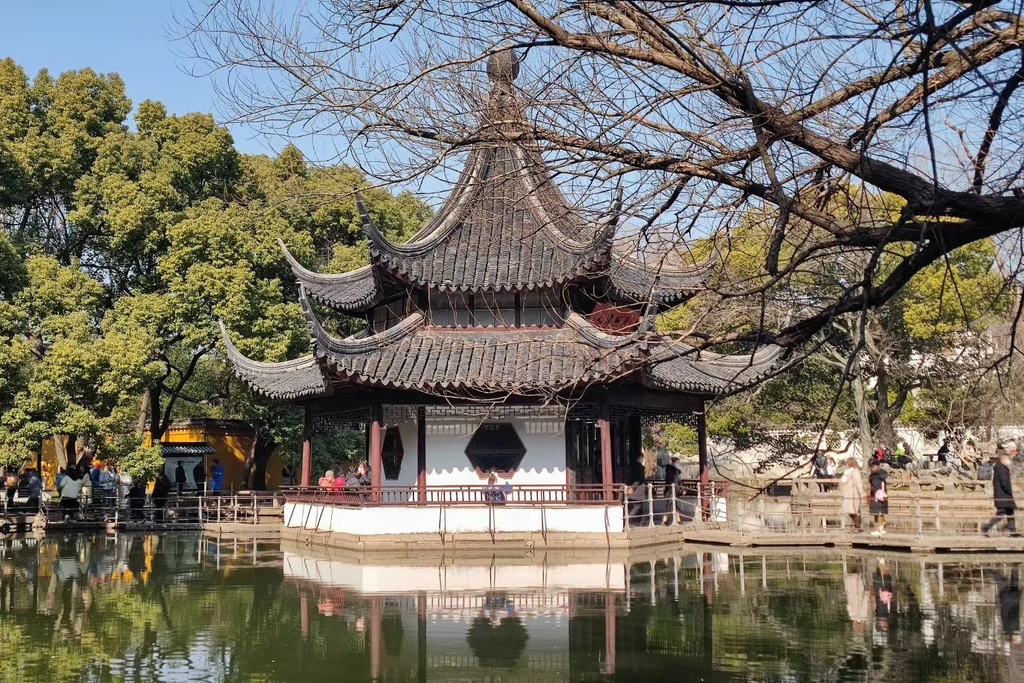
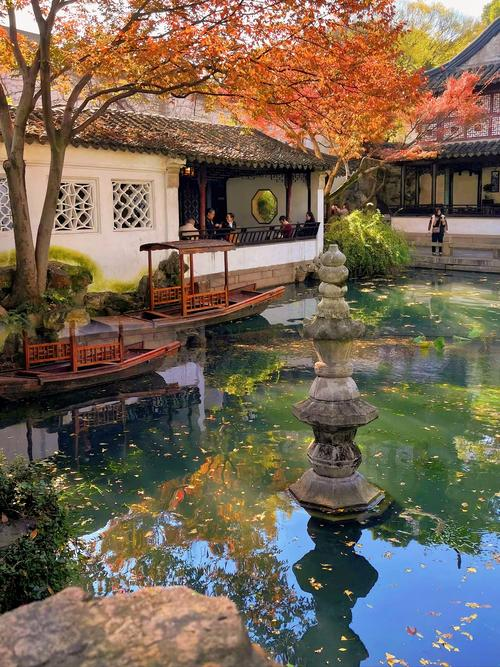
Outside Suzhou's Chang Gate, the Lingering Garden dates to 1593 when Ming official Xu Taishi built his "East Garden." Rebuilt in 1798, rechristened "Liu Yuan" in 1876—a play on linger . It ranks among China's Four Great Classical Gardens and a UNESCO World Heritage Site .
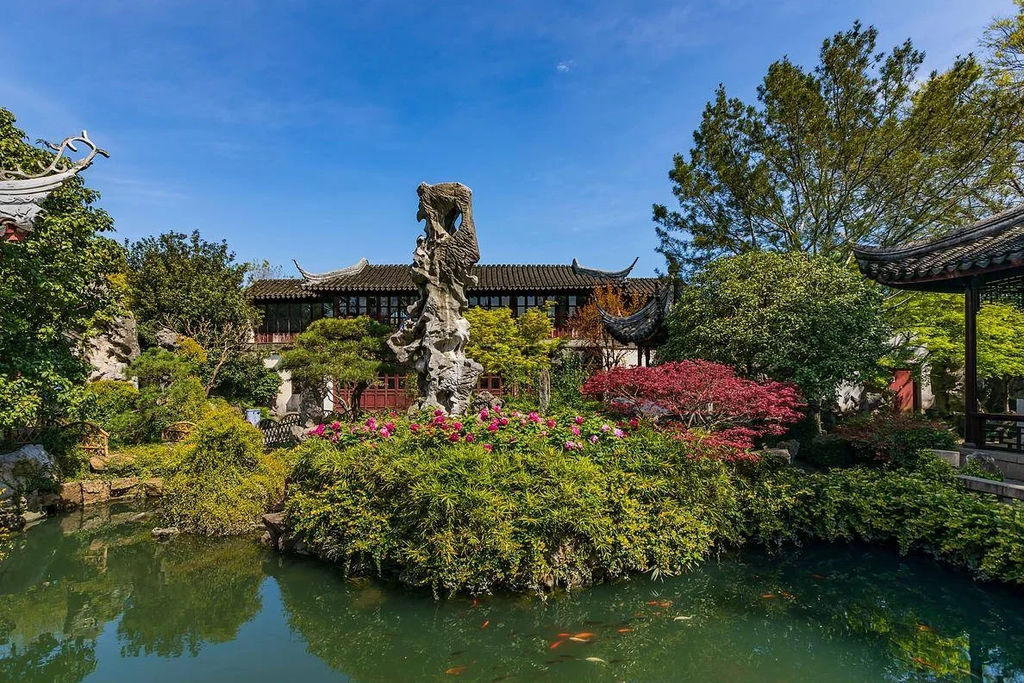
Spanning 23,300 square meters, four zones are linked by over 700 meters of corridors . The Central Zone centers on a pond and Hanbi Mountain House. The Eastern Zone —moon gates, lattice windows, layered courtyards—forms Suzhou's most inventive ensemble.
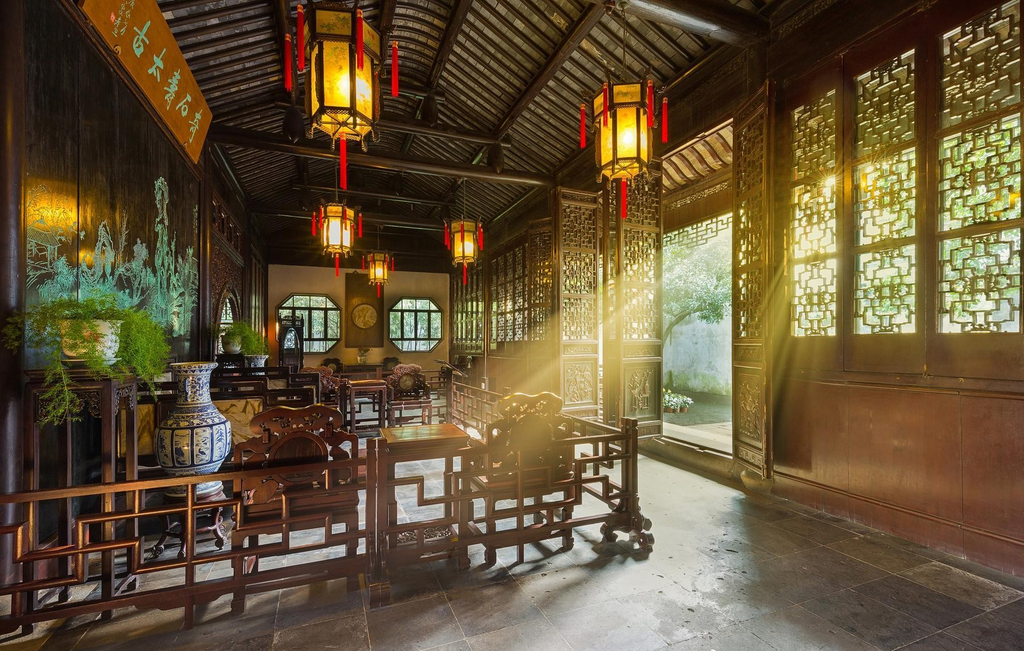
The Eastern Zone's crown jewel is "Cloud-Capped Peak" (Guan Yun Feng)—a 6.5-meter Taihu limestone prized for shou , zhou , lou , and tou . Possibly a Song Dynasty relic, it is Jiangnan's tallest garden rock. Nearby, the Five Peaks Fairy Hall in nanmu wood is the garden's grandest interior.
The Western Zone —earthen hills beneath autumn-crimson maples, hidden pavilions with panoramic views, and the waterside Huopopodi . The Northern Zone rounds off with penjing displays and wisteria trellises—a pastoral ending.
Tiger Hill (Huqiu)
Where 2,500 Years of Legend Rise from a Single Hill
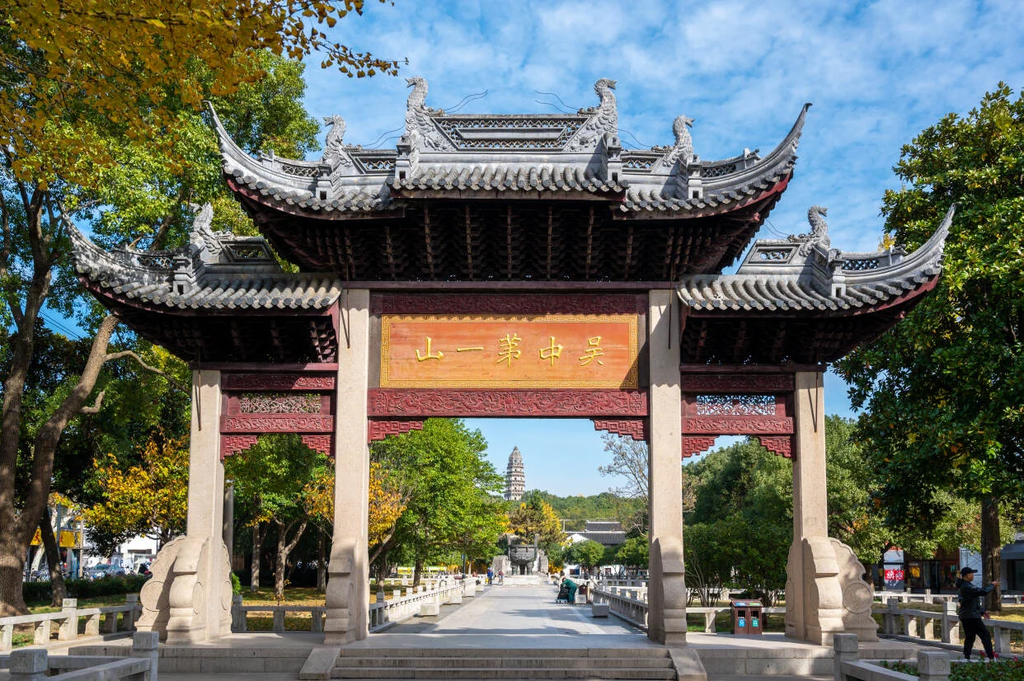
Tiger Hill rises 34.3 meters northwest of Suzhou, yet surveys 2,500 years of history . A white tiger reportedly appeared after King Helü of Wu was buried here. Su Shi wrote: “A pity to visit Suzhou without seeing Tiger Hill.” This National Key Scenic Area is where myth meets beauty.
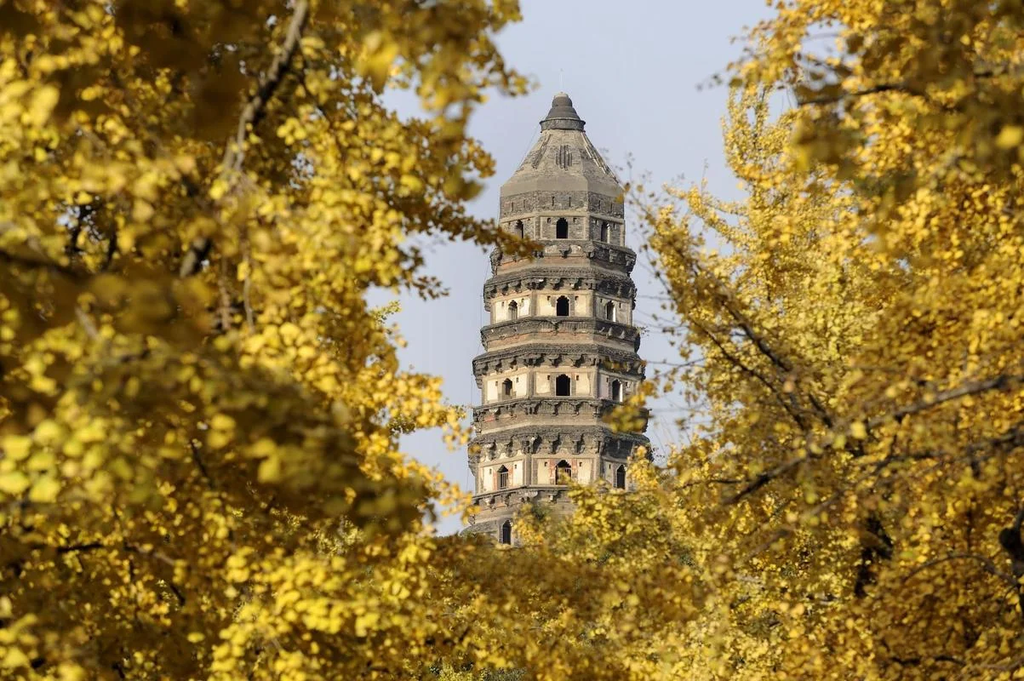
Atop the hill stands Yunyan Pagoda —a seven-story octagonal brick tower, 47 meters tall and over 1,000 years old. Settling tilted it more than 2 meters, earning the nickname "Leaning Tower of China" —predating Pisa's. It remains Suzhou's enduring skyline symbol.
Below the pagoda lies Sword Pond ( Jianchi )—emerald water enclosed by calligraphy-carved cliffs. King Helü was reputedly buried here with 3,000 swords; 1950s excavations found the pagoda's foundations upon the site—sealing its secrets.
Thousand Person Rock recalls silenced craftsmen; the Sword-Testing Rock lies cleft by a Wu blade. Lu Yu Well links to China's tea heritage, while Wanjing Villa showcases 600+ penjing . Through weathered stone and legend, Tiger Hill reveals Suzhou's soul.
Suzhou Shantang Street
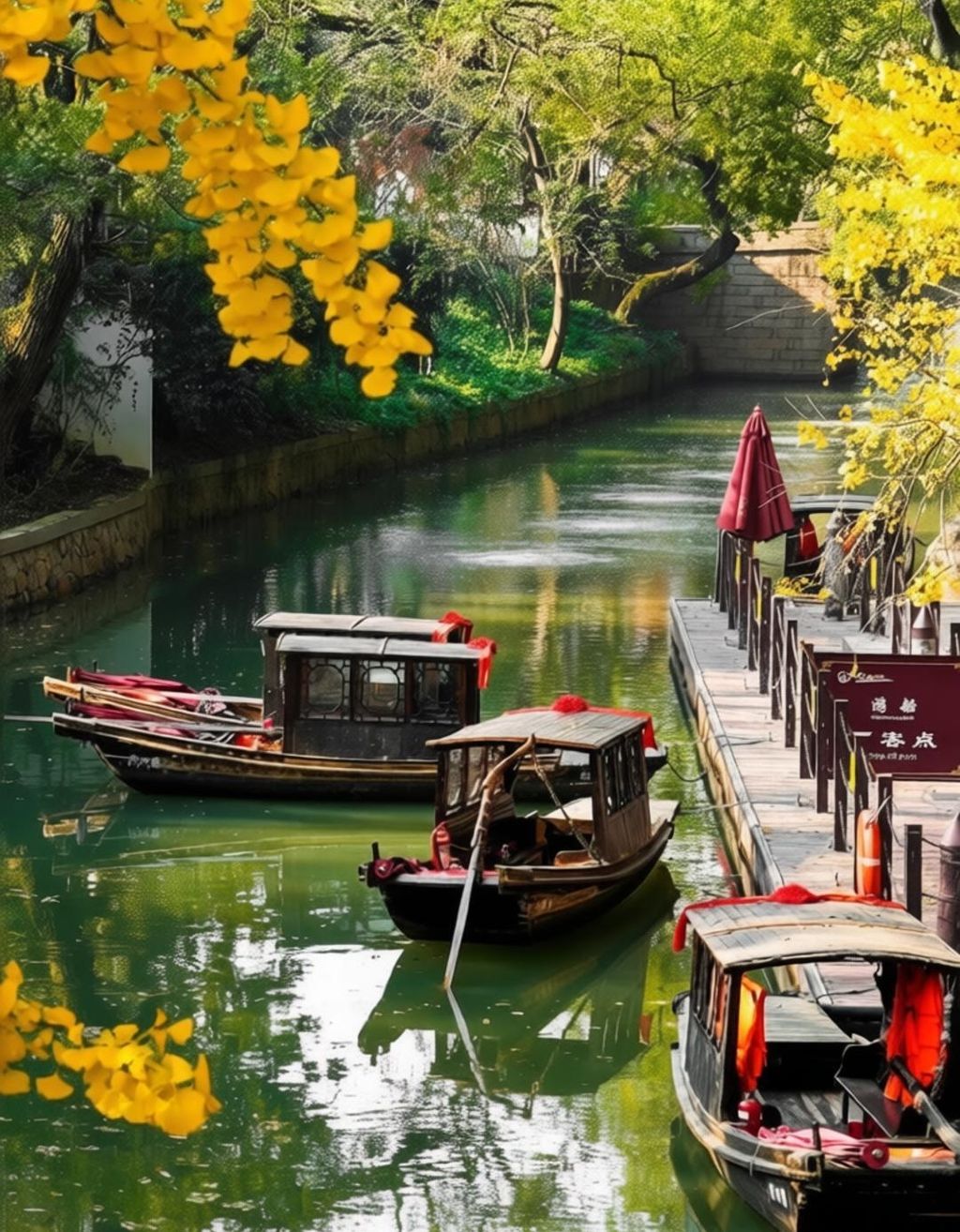
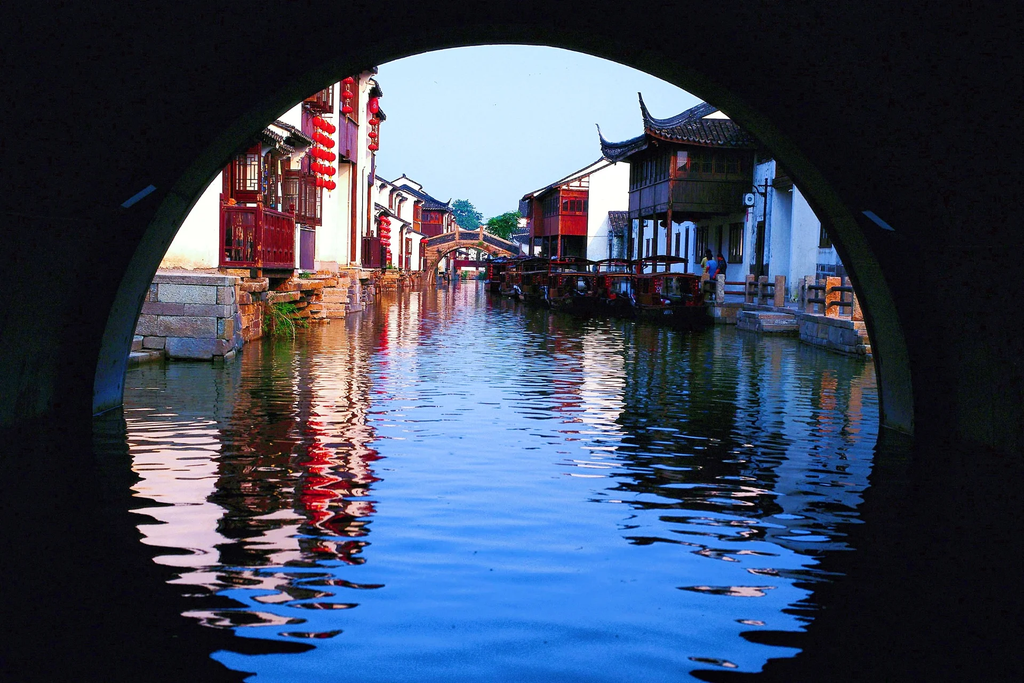
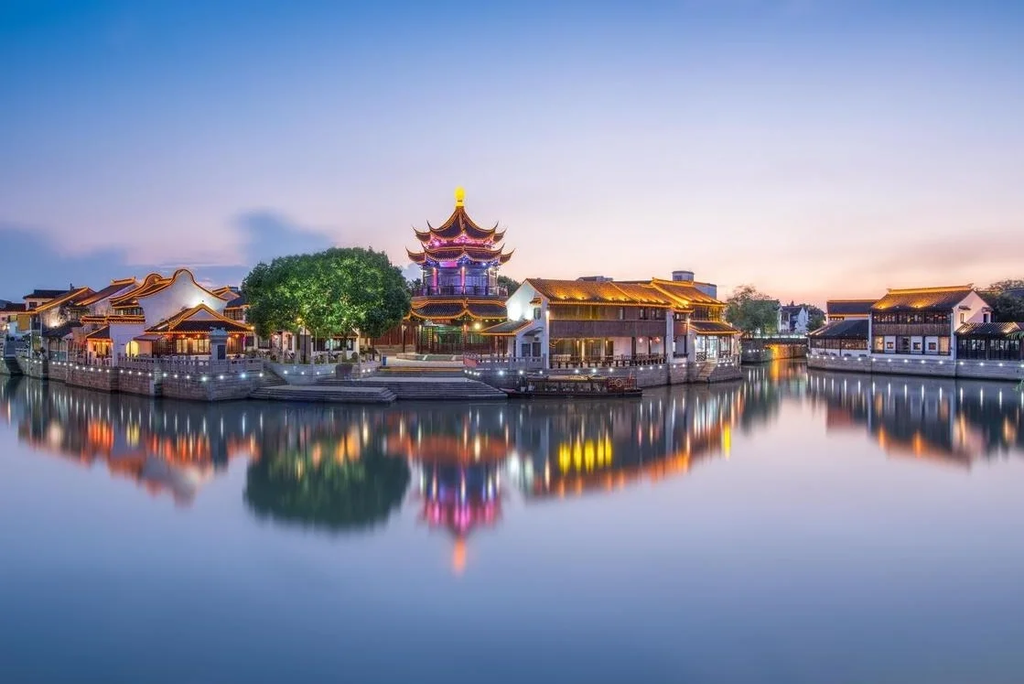
Shantang Street, nestled in northwest Suzhou's ancient city, is a millennium-old lane stretching seven li (3.5 km) along the Shantang River. Known as "old Suzhou in miniature" , it was built by Tang poet Bai Juyi during his governorship to connect Changmen Gate with Tiger Hill. The street perfectly embodies the classic Jiangnan waterside aesthetic: "small bridges, flowing water, white walls, and black-tiled roofs".
Experience Shantang's charm from water and land . Glide on a hand-rowed boat past waterside houses, or stroll cobblestone lanes to explore old shops, taste local snacks, and hear Suzhou Pingtan melodies. The eastern end bustles with shops and brilliant night views. The western section offers a quieter glimpse into local life.
Visit at dusk when lanterns glow over the river, capturing the street's romantic essence. For a quieter experience, explore the western lanes to discover Gusu's everyday charm.
Day 3 Jiangnan Watertown Experience
Tongli Ancient Town
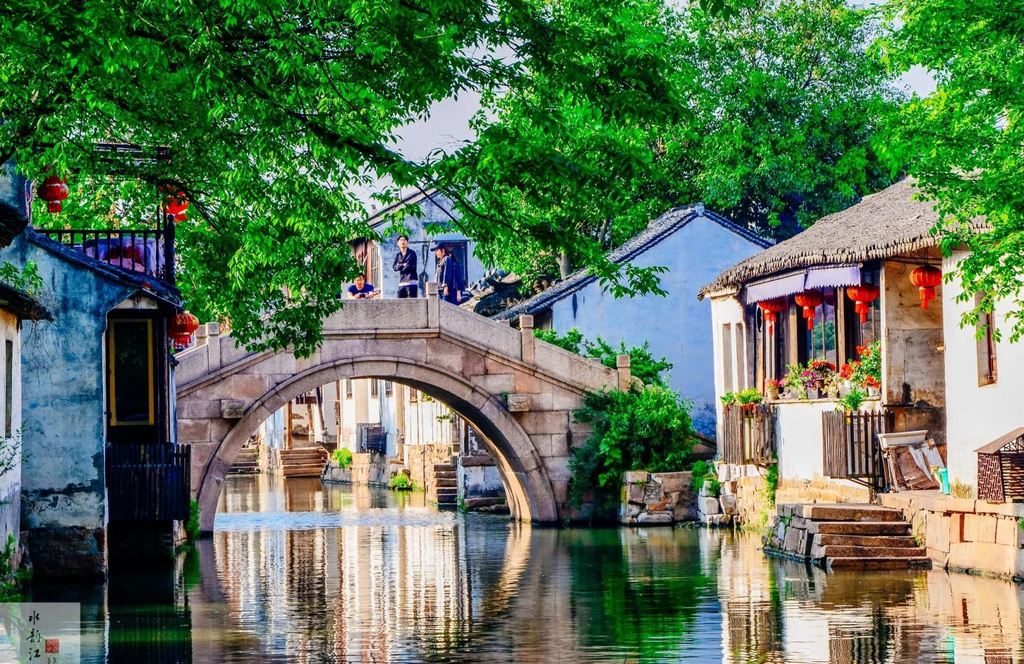
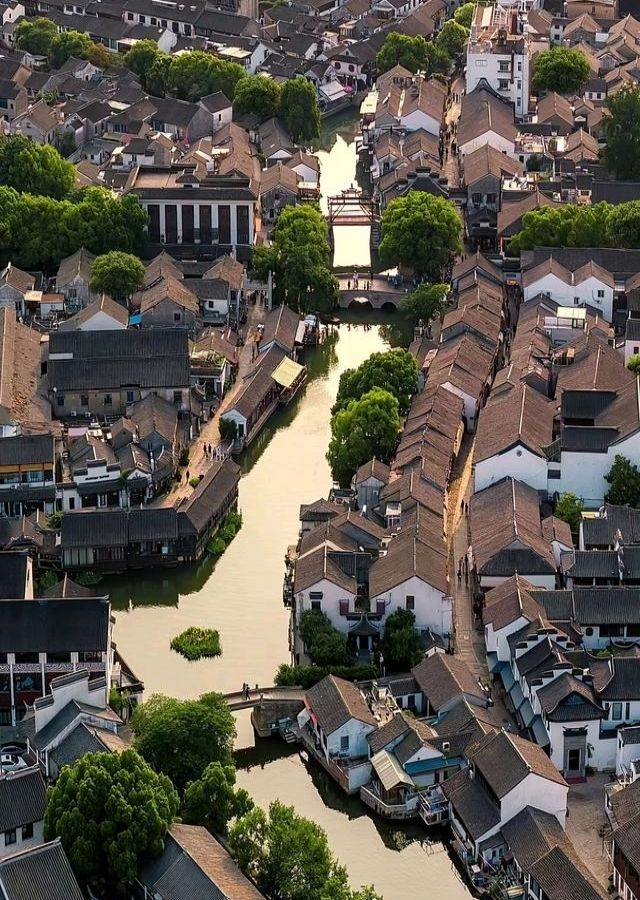
Tongli is an ancient water town near Suzhou with over a thousand years of history . One of Jiangnan’s finest canal towns, it offers a picturesque scene of whitewashed walls, black-tiled roofs , and tranquil waterways lined with willowsws.
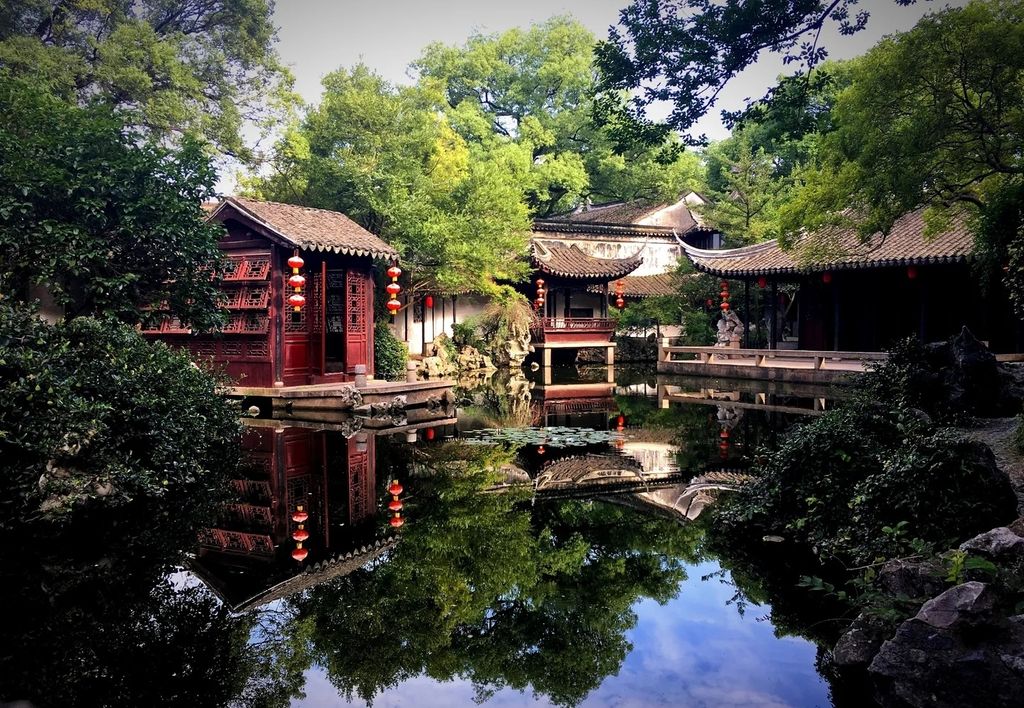
Fifteen rivers weave through town, forming seven islets linked by 49 ancient stone bridges —known as "Venice of the East." Its crown jewel is Tuisiyuan Garden (The Garden of Retreat and Reflection), a UNESCO World Heritage Site celebrated as "a universe within a few footsteps."
At the town’s heart is the famous trio of arched stone bridges : Taiping (Peace), Jili (Luck), and Changqing (Celebration). Local tradition says that crossing all three in the correct order brings health, prosperity, and longevity—turning a simple walk into a cherished ritual.
For the most authentic experience, take a traditional wooden boat ride at golden dusk. Glide along quiet canals past ancient stone homes and experience the timeless, unhurried poetry of everyday life unfolding within a living painting .