




Sacred Tea Forests, Ethnic Heritage & Tropical Wonders
- World Heritage & Natural Wonders : Explore dramatic limestone formations at the Stone Forest , witness the majestic Meili Snow Mountain , and experience sunrise over the Yuanyang Terraced Rice Fields —a breathtaking UNESCO site.
- Cultural Mosaic & Ancient Towns : Immerse yourself in the rich heritage of Lijiang Ancient Town (a UNESCO site), discover the history of the Dali Kingdom , and experience the unique traditions of the Naxi and Bai ethnic groups.
- Serene Landscapes & Outdoor Adventure : Trek through the stunning Tiger Leaping Gorge , relax by peaceful Erhai Lake , and venture into Xishuangbanna's pristine nature reserves to encounter rare wildlife and tropical flora.
- Unique Flavors & Tea Culture : Savor the iconic Crossing the Bridge Noodles , taste wild mushroom dishes, and explore the historic Ancient Tea Horse Road while sampling world-renowned Pu'er tea .
Our Itinerary
9-Day Trip
Day 1 — Stone Sentinels & Lakeside Serenity
Naigu Stone Forest
Within Yunnan's "South China Karst" UNESCO World Heritage Site, if the Greater and Lesser Stone Forests are an exquisite Yi maiden, then Naigu is a warrior in black armor—standing silent and solemn for hundreds of millions of years.
"Naigu" means "black" in the Yi language. Locals also call it "Hei Song Yan" (Black Pine Crag) . Upon entering, vast black stone peaks rise before you, formed from 270-million-year-old Paleozoic dolomitic limestone . This pristine example of "stone forest karst" is a globally rare geological wonder—a living epic carved into the land.
Exploring Naigu Stone Forest is a three-dimensional experience: "View from peaks, wander through forest, delve underground." Baiyun Lake mirrors the black peaks, while hidden Gulin Yaochi is fed by underground rivers, its waters deep emerald-green.
Dounan Wetland Park
Dounan Wetland Park spans 650 mu (43 hectares) along Dianchi Lake’s eastern shore. A redesign removed wave-breaking levees to restore the connection between land, wetland, and lake , allowing treated water to flow into Dianchi at a quality exceeding Grade IV standards.
The park also preserves a historic 2-kilometer willow embankment lined with calamus, reeds, and water lilies. Around 5,000 trees , including 1,400 dawn redwoods , create a lakeside forest that turns from green to gold and then russet each autumn.
From the embankment, visitors can look west to the Sleeping Beauty silhouette of the Western Hills . Between November and March , thousands of red-billed gulls overwinter here. Walking trails and birdwatching shelters make it a great spot for outings and photography.
Whether for a morning stroll beneath the willows or an afternoon of lakeside birdwatching, Dounan Wetland Park offers a rare pocket of highland serenity where ecological ambition and natural beauty come together.


Wolong Ancient Fishing Village
Wolong, on Dianchi Lake's east bank , nestles by Qixing Mountain . With 600+ years of Ming-era history, it remains the best-preserved here. From Chui'en Temple: "the mountain resembles a reclining dragon, and the sea names it a harbor" — evoking its setting.
Across 20,800 square meters , 270+ buildings showcase Kunming's iconic styles: the "Single Seal" courtyard houses , "Three-Section Compounds" , and "Gallery-Connected Corner Buildings" . Its stone lanes feel like a textbook of Yunnan's heritage.
Once a bustling commercial harbor , Wolong was central to Chenggong’s "Starlit Lanterns of the Fishing Harbor" —one of the city’s Eight Great Views. At dusk, lantern-lit boats glided into the dock, reflections shimmering on the water—a starlit scene captivated poets and travelers.
Today, it is a cultural and ecological destination , where heritage meets contemporary spaces. Visitors can explore the Wolong Rural Museum , Dianfeng Art Gallery , exhibition areas, and the Dianchi Ecology Research Center .


Day 2 — Tracing the Ancient Tea Horse Road
Nakoril Tea Horse Road
Nakoril is a remarkably well-preserved trading post on the ancient Tea Horse Road. It once served as a vital rest stop for caravans traveling between Yunnan and Tibet.
Walk its century-old cobblestone paths —trodden by generations of muleteers—and explore historical landmarks like the traditional covered bridge and the old Rongfa Horse Inn. These structures offer a tangible connection to the caravan culture and tea trade that defined the region for centuries.
The site illustrates how this legendary route facilitated not just commerce, but cultural exchange among ethnic groups. The atmosphere lets you imagine the echoes of horse bells and traders' calls from a bygone era.
Easily accessible and with free admission , Nakoril provides a peaceful stop for travelers interested in this key chapter of Yunnan's history.


Day 3 — Into the Realm of Wa Spirits
Longmoye Holy Ground
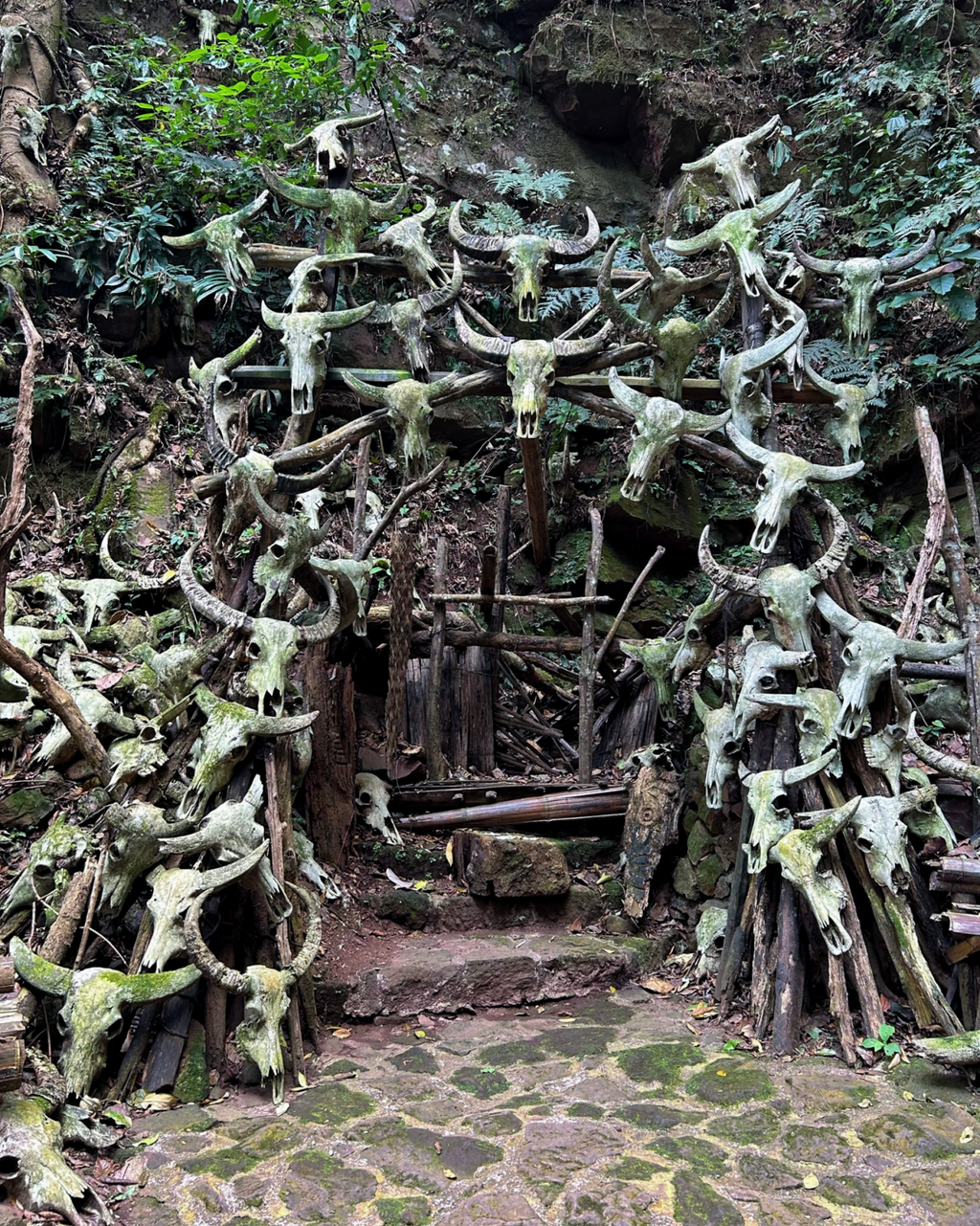
Longmoye in Ximeng County is a sacred site for the Wa people. This ancient forest is known for the striking sight of countless cattle skulls hanging from its trees.
For the Wa community, it is a holy place for ancestral worship and for communicating with spirits . The skulls are sacred offerings that reflect animist beliefs and are meant to maintain harmony between the physical and spiritual worlds.
Walking through this forest offers a rare glimpse into one of China’s most distinctive indigenous religious traditions , preserved for generations. Towering trees, dappled light , and deep quiet create the powerful feeling of stepping into another realm .
Visitors and all other mindful guests should remain respectfully quiet and reverent to honor and help preserve the site’s sacred ancestral spiritual and cultural significance for the local Wa community today.


Muyiji Holy Valley
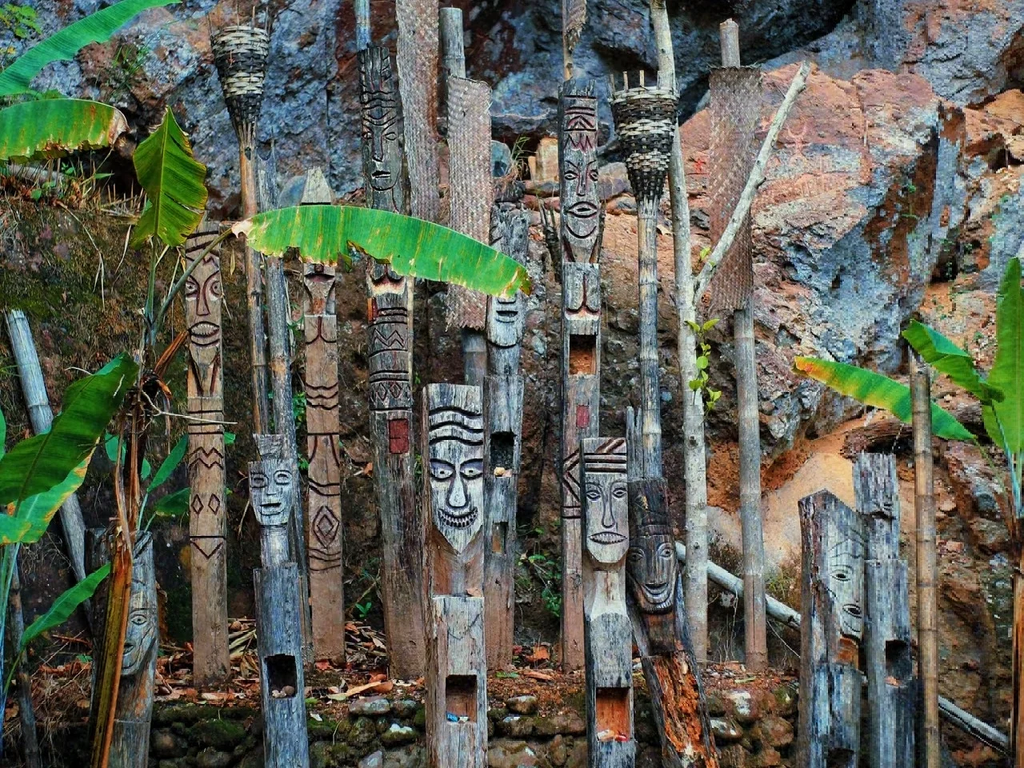
Nestled in pristine forest, Muyiji Sacred Valley is the holiest site in Wa religious tradition . According to the Wa creation epic "Sigangli" , the Great Spirit Muyiji created all things here, making this valley the spiritual birthplace of the Wa people.
Visitors encounter sacred statues, ancient rock paintings, symbolic stakes , and mystical pools—each holding deep spiritual meaning in Wa beliefs. The valley remains an active spiritual center where traditional ceremonies are still performed.
Beyond its cultural significance, the landscape itself is awe-inspiring. Walking through this tranquil yet powerful setting offers a unique window into one of China's most distinctive indigenous cultures .
A 1–2 hour visit allows time to respectfully explore the sites and absorb the atmosphere. This sanctuary embodies the Wa people's enduring reverence for both the natural and spiritual worlds.

Lancang Weekend Market
Every weekend in Lancang , the local market comes alive as a vibrant showcase of ethnic life and culture—far more than just a place to shop. From Saturday afternoon through Sunda y, this lively gathering offers an authentic glimpse into the traditions of the Lahu, Dai, Wa, and other local communities .
Stalls overflow with handmade textiles, embroidered clothing, bamboo crafts, and silver jewelry . Nearby, you'll find fresh wild-foraged ingredients—herbs, mushrooms, berries, and honey. Follow the enticing scents to sizzling Lahu-style barbecue, fragrant Dai sticky rice, zesty Wa salads, and grilled snacks. Each bite tells a story of regional flavor.
Beyond commerce, the market becomes a social stage —a place where traditions are shared, stories are exchanged, and connections deepen, set to folk music, laughter, and dance.


Day 4 — Royal Legacies & Lahu Melodies
Menglian Xuanfu Official Manor
The Menglian Xuanfu Official Manor is Yunnan's best-preserved Dai ethnic ruling complex , with a history spanning over 600 years . As the former seat of hereditary Dao chieftains , it served as the political, judicial, and ceremonial heart of Menglian for centuries.
The architecture is a striking fusion of Dai, Han, and Southeast Asian styles — tiered rooftops, carved wooden pillars, and open courtyards . The main hall, audience chamber, and ancestral shrines reveal the grandeur of this once-powerful local government.
Inside, exhibits chronicle the Dai Xuanfu governance system , a unique feudal institution through which ethnic Dai leaders administered border regions on behalf of the imperial court. Artifacts, historical documents, and photographs bring to life the complex relationship between central authority and frontier autonomy .
Set on a gentle hillside overlooking the town, the manor grounds are peaceful and photogenic. Plan about 1 hour to explore the halls, gardens, and the small on-site museum.


Nayun Old Town
Nayun Old Town is China's only surviving Dai royal city , nestled in the border town of Menglian, Yunnan. With over 700 years of history , it was the political and cultural heart of the Dai chieftain's domain — a testament to Dai governance and planning.
Built across three hills — the Upper, Middle, and Lower City — it follows a hierarchical layout . The Upper City housed the ruling family and the Xuanfu Official Manor; the Middle City housed government officials; and the Lower City was home to commoners and traders. This layered structure feels intact.
As visitors wander Nayun’s quiet streets, they pass golden-spired Buddhist temples, centuries-old banyan trees, and traditional Dai wooden houses amid lush, tropical hills. Life moves slowly and feels authentic: monks in saffron robes drift through town while locals go about their daily routines.
What makes Nayun truly distinctive is its living cultural landscape — not a museum or reconstruction, but a real community where Dai traditions in architecture, religion, and everyday life continue naturally.


Laodabao
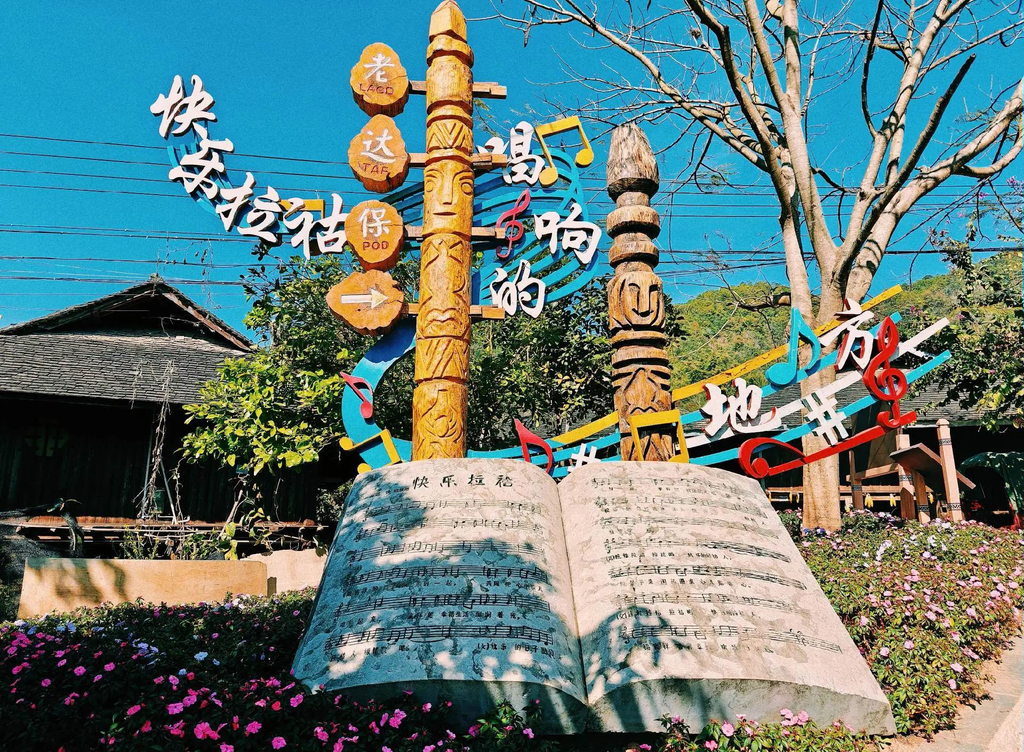
Laodabao is a nationally celebrated Lahu ethnic village in Lancang County, renowned as the birthplace of the Lahu people's musical heritage. This remote hamlet has produced an astonishing number of musicians — nearly every villager can sing and play instruments.
The village gained fame for its original song "Happy Lahu" , a cultural sensation that brought widespread attention to Lahu artistry. Today, villagers perform authentic song-and-dance shows showcasing vibrant traditions, from rhythmic reed-pipe dances to soulful guitar melodies echoing through the hills.
What makes Laodabao special is that it is not a staged tourist production — the performers are real villagers living daily lives, and the music flows from a culture where art and life intertwine. Visitors can watch rehearsals, join dancing, and experience the warmth and joy of the Lahu spirit.
Stroll through the village to see traditional stilted wooden houses , learn about Lahu customs, and taste local specialties. The surrounding landscape of rolling green hills and terraced fields adds to the serene, off-the-beaten-path charm.


Day 5 — Sacred Tea Forests & Golden Spires
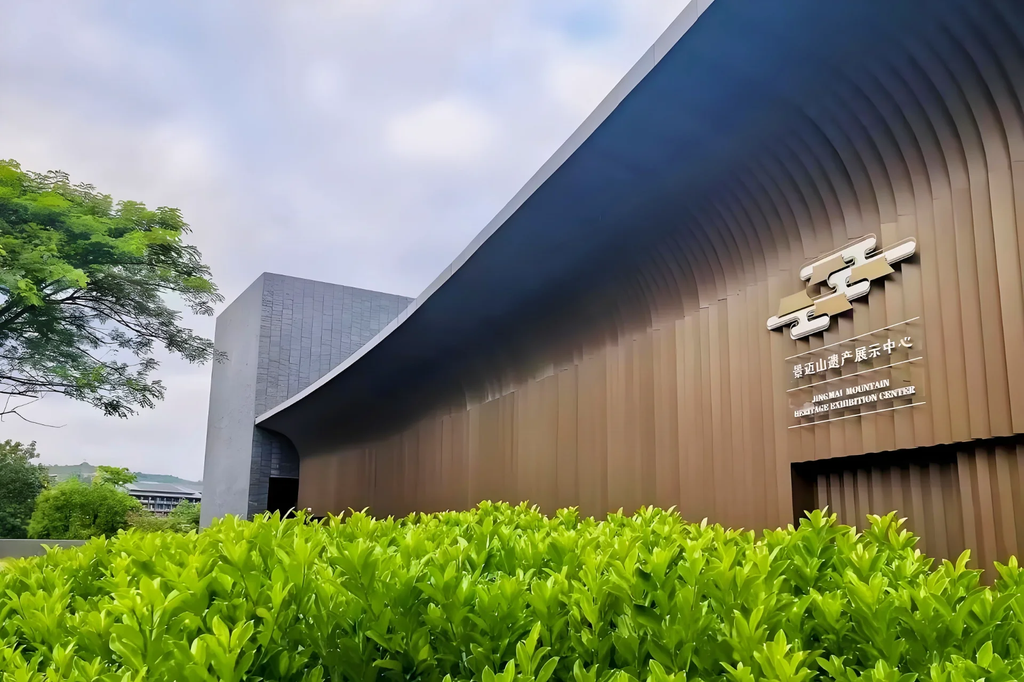
Jingmai Mountain Heritage Exhibition Center
Discover the Jingmai Mountain Heritage Exhibition Center in Huimin Town, Yunnan, where the ancient tea forests of Jingmai —UNESCO-listed for their cultural value—come alive.
The building itself is a nod to tea, shaped like a bud with a roof patterned after tea leaves, blending modern steel with traditional Mianwa tiles for perfect harmony with nature.
Step inside, and you'll meet the Village Heart Pillar and Tea Soul Pillar , sacred symbols of the Dai and Bulang peoples. Traditional clothes, ritual items, and farming tools—many kindly donated by local villagers—tell personal stories of life here. Through exhibits, models, and short films , explore the ancient "tea-human coexistence" lifestyle, the wisdom of the forest, and tea's journey along the legendary Tea Horse Road.

Dazhai Gold Pagoda
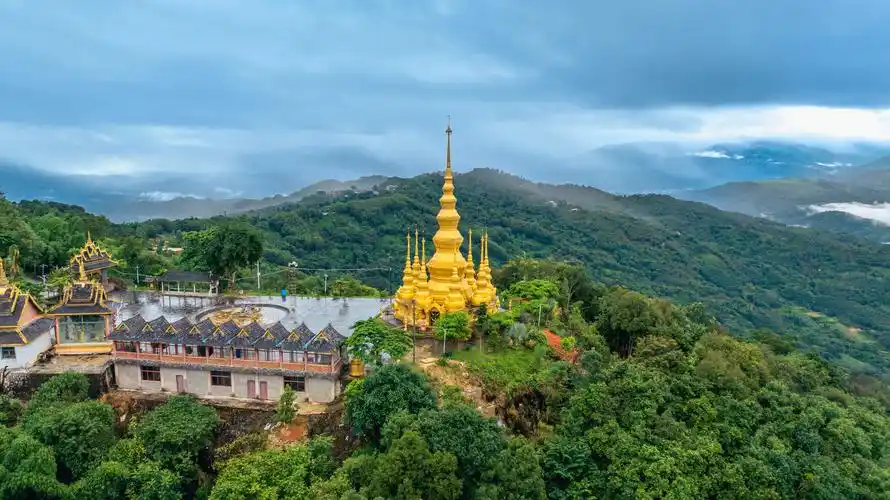
The Jingmai Mountain Golden Pagoda is the iconic centerpiece of the "Old Tea Forests of Jingmai Mountain" UNESCO site . This community-funded landmark represents the local Dai people's spirit and aspirations.
Located in Jingmai Village, its golden spire gleams against the surrounding green tea forests. For the best experience, visit in the early morning to witness a breathtaking spectacle: sunrise illuminating the pagoda above a rolling sea of clouds —most dramatic in winter.
As the area's spiritual heart , the pagoda serves as a hub for local culture. Enhance your visit by exploring traditional villages like Nuogan and Wengji nearby. Drive cautiously on the winding mountain roads and respect the local heritage and environment. The Golden Pagoda offers a serene, perfect start to exploring Jingmai Mountain .

Jingmai Mountain Ancient Tea Forests
In 2023, Jingmai Mountain in Pu'er, Yunnan, was officially designated a UNESCO World Heritage Site—the world’s first site dedicated to tea culture . Shaped by indigenous communities and nature over more than 2,000 years, it remains a living masterpiece.
At its heart is an ecological approach: " Understory Tea Cultivation ." Instead of clearing forests, the indigenous Blang and Dai people kept trees for shade and planted tea beneath them. This layered ecosystem—tree, tea, and herb—requires no pesticides, offering a sustainable model of " forest-tea coexistence ."
This wisdom shaped a landscape: "forests crown the mountaintops, tea forests surround villages, and farmlands lie at the foothills." Forests buffer the tea groves, which encircle Blang and Dai villages to create a cultural and ecological tapestry.


Wengji Sunset Viewpoint
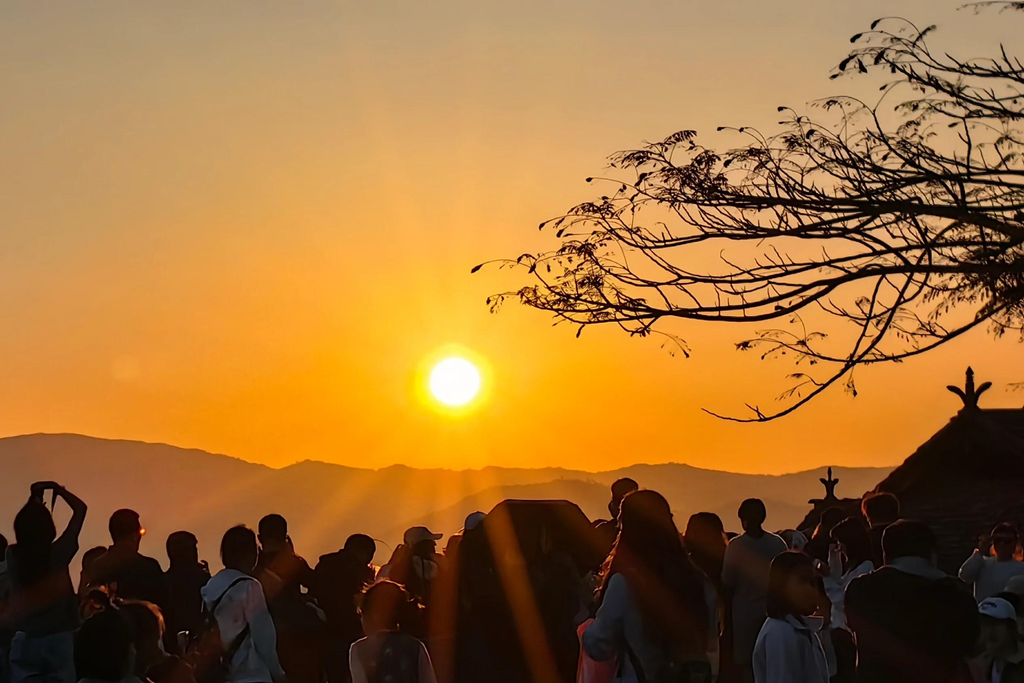
Perched on Jingmai Mountain, the Wengji Sunset Viewpoint is the best place to watch the sun set over ancient tea forests. From here, you'll see views of the UNESCO-recognized landscape—centuries-old tea trees, villages, and mountains blending into one scene.
This viewpoint highlights the 1,000-year cultural heritage of the Bulang and Dai people and their sustainable relationship with nature. At sunset, golden light gently washes over the distant mountains, village rooftops softly glow, and the peaks fade into layers of blue and purple—a natural light show perfect for photography.
Easily accessible via a short walk, the viewpoint welcomes travelers of all ages. Plan about one hour around sunset to enjoy the breathtaking scenery and reflect on Jingmai Mountain’s enduring cultural legacy.

Jingmai Mountain Tea-Picking Experience
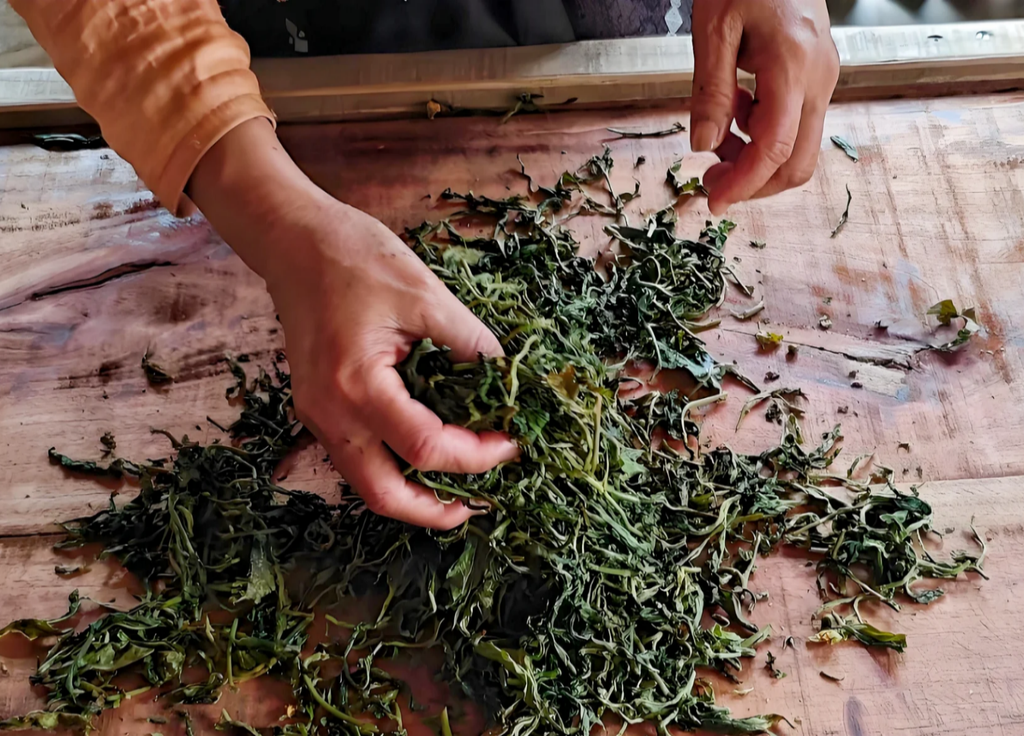
Immerse yourself in a 3-hour tea-picking experience on Jingmai Mountain! Follow a local tea expert into the tea fields, handcraft your own tea cake, and enjoy a tea-tasting session while learning about the history and culture of tea.
Tea Picking: The local tea expert will guide you through the mountain paths, clearing the way and pointing out wild plants, fruits like fragrant mangoes, and mushrooms. Chat and pick fresh tea leaves while enjoying the natural surroundings.
Tea Making: Design tea wrapping paper; learn traditional frying techniques to lock in freshness; shape the leaves by hand; sun-dry the leaves and press them into a tea cake.
Tea Tasting & Stories: Gather in the tea room to sample black tea, sour tea, white tea, and more. The host shares stories about Jingmai's ancient tea history and brewing tips in a relaxed atmosphere.

Day 6 — Rainforest Trails & Village Whispers
Nuogan Village
Nuogan Village is a traditional Dai ethnic village on Jingmai Mountain, preserving authentic wooden stilted architecture defining Dai cultural heritage. The village exudes a warm atmosphere, where visitors are greeted with Dai hospitality .
The traditional architecture showcases elevated wooden structures keeping homes cool and dry in the subtropical climate. These crafted buildings, with distinctive sloping roofs and open spaces beneath, represent centuries of architectural wisdom adapted to mountain living.
Nuogan Village is ideal to experience authentic Dai culture , sample traditional Dai tea, and purchase quality tea directly from local farmers. The friendly villagers often share their tea-making knowledge and offer tastings of various tea varieties grown in the surrounding ancient tea forests.
The village provides a relaxed and authentic cultural experience , away from tourist crowds. Visitors can stroll through quiet lanes, observe daily village life, and enjoy the peaceful mountain atmosphere.


Aileng Mountain Hiking
Aileng Mountain in Lancang County is a pristine rainforest hiking paradise at 2,358 meters elevation . This sacred peak holds deep significance for the Lahu ethnic people , who regard it as their holy mountain and dwelling place of protective spirits.
The mountain features a 12-kilometer ancient tea forest trail winding through virgin rainforest and centuries-old tea groves. The path takes approximately 40 minutes , offering an immersive experience in one of Yunnan's most biodiverse ecosystems.
Visitors encounter towering ancient tea trees , some over 1,000 years old, draped in moss and epiphytes thriving in the humid climate. The forest canopy filters sunlight into ethereal green light , creating a mystical atmosphere enhanced by bird calls and the sound of mountain streams.
The trek rewards hikers with stunning mountain views , encounters with rare plant species, and a deep connection to nature. The short duration and moderate difficulty make it accessible to most visitors with basic fitness. Best visited in spring, autumn, or winter when cooler and trails are driest.


King Bee Tree
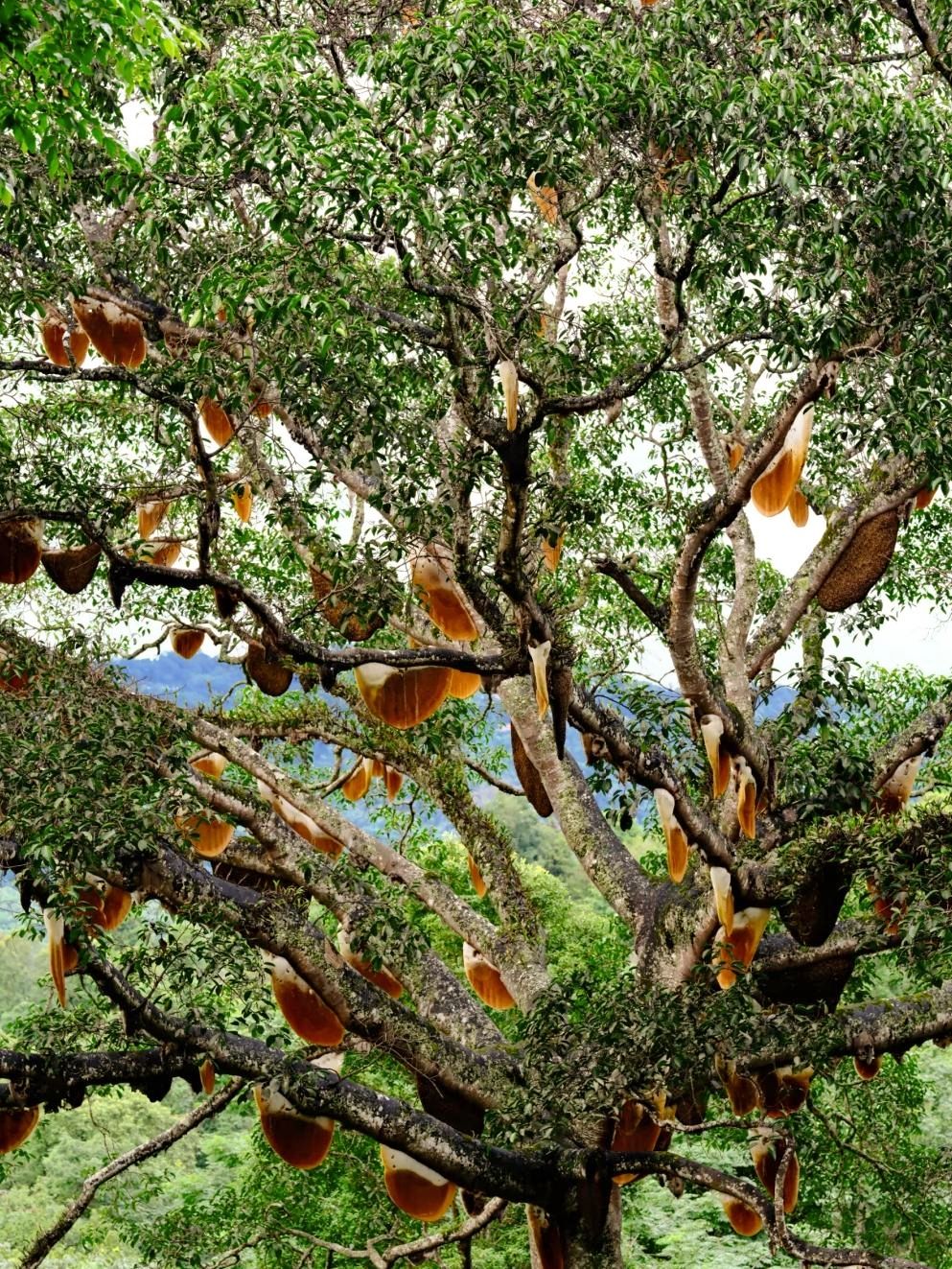
The King Bee Tree is a 500-year-old Tetrameles tree standing 60 meters tall . Its massive hollow trunk houses Asia's largest wild bee colony , creating a remarkable natural ecosystem.
This ancient giant produces over 50 kilograms of wild honey annually . The Dai people revere it as the "Bee God," honoring both the tree and its bee inhabitants as sacred forest guardians.
During a 20–30 minute visit , you can safely watch thousands of bees swarm in mesmerizing patterns around the tree's openings—an awe-inspiring display of natural symbiosis. Local guides share stories about the tree's cultural significance and traditional honey-harvesting practices.

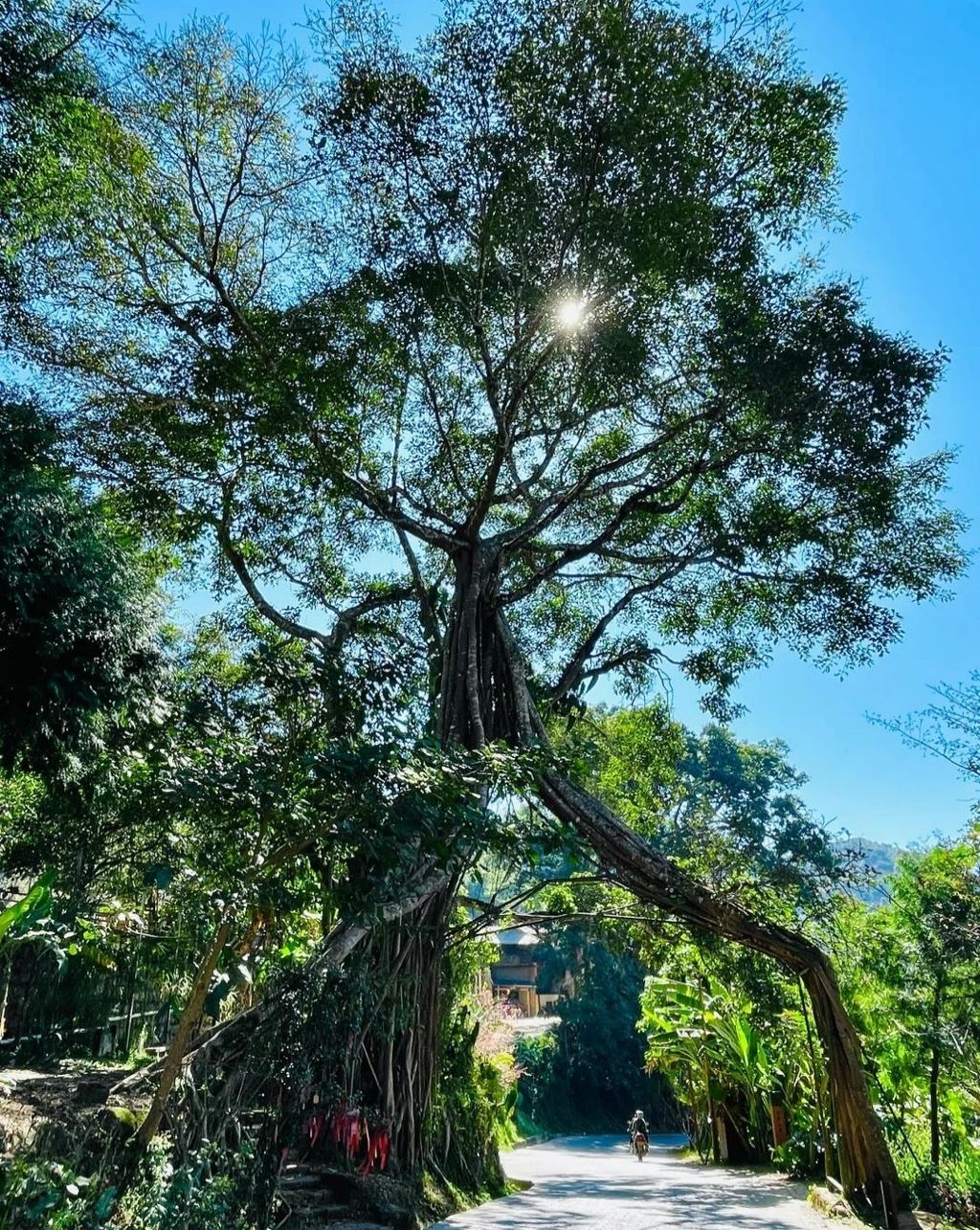
Princess Banyan (Gongzhu Rong)
The Princess Banyan is a magnificent 300-year-old tree revered as both a natural wonder and sacred site. Its vast canopy spans 2,000 square meters , creating the spectacular "one-tree forest" for which it's famous.
The tree's most enchanting feature is its countless aerial roots cascading down like a living curtain—the sight that inspired its poetic name. These roots grow into new trunks, forming an interconnected forest from a single ancient source.
The local Dai people hold the tree sacred and gather here for traditional blessings. Beneath its expansive canopy lies a cool, peaceful retreat where light filters through dense foliage, creating a natural cathedral.

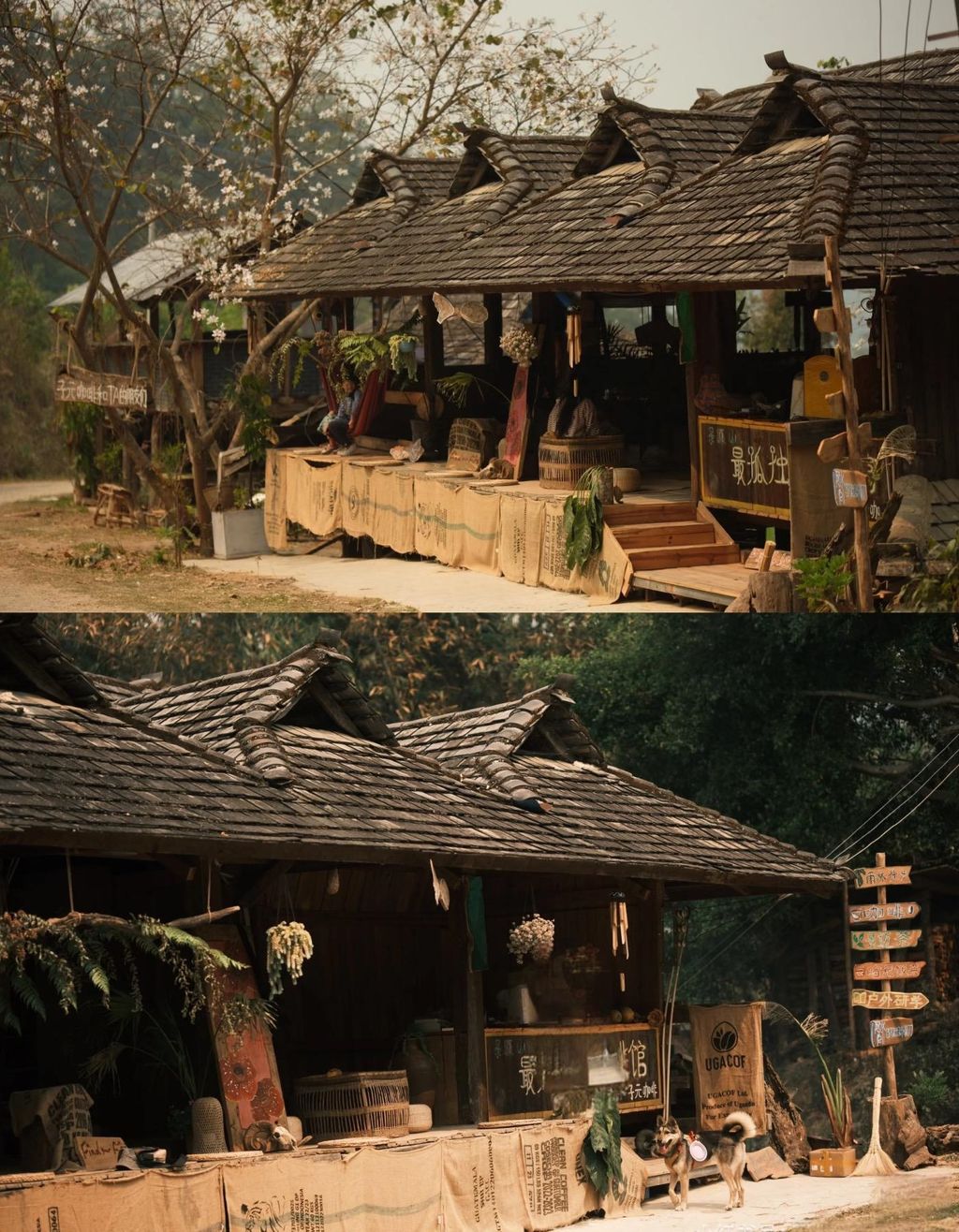
Nanai Village
A hidden gem among Jingmai's ancient tea mountains , Nanai Village preserves authentic Dai life untouched by tourism. At 1,400 meters in misty highlands, it reveals how Dai communities have coexisted with surrounding tea forests for centuries.
Well-preserved wooden stilted houses , stone-paved lanes, and tropical gardens define the village. Unlike busier neighbors, Nanai retains a quiet, unhurried atmosphere — villagers tend tea gardens, prepare meals, and gather under ancient trees.
What sets Nanai apart is its genuine, lived-in character — visitors observe real routines, from early-morning tea picking to evening cooking over wood fires. Locals are warm and welcoming, often inviting guests to share freshly brewed tea from their ancient trees.
Surrounded by UNESCO-listed old tea forests, Nanai offers peaceful cultural immersion and a perfect complement to the well-known villages of Nuogan and Wengji on Jingmai Mountain, allowing you to experience authentic local traditions away from crowds.

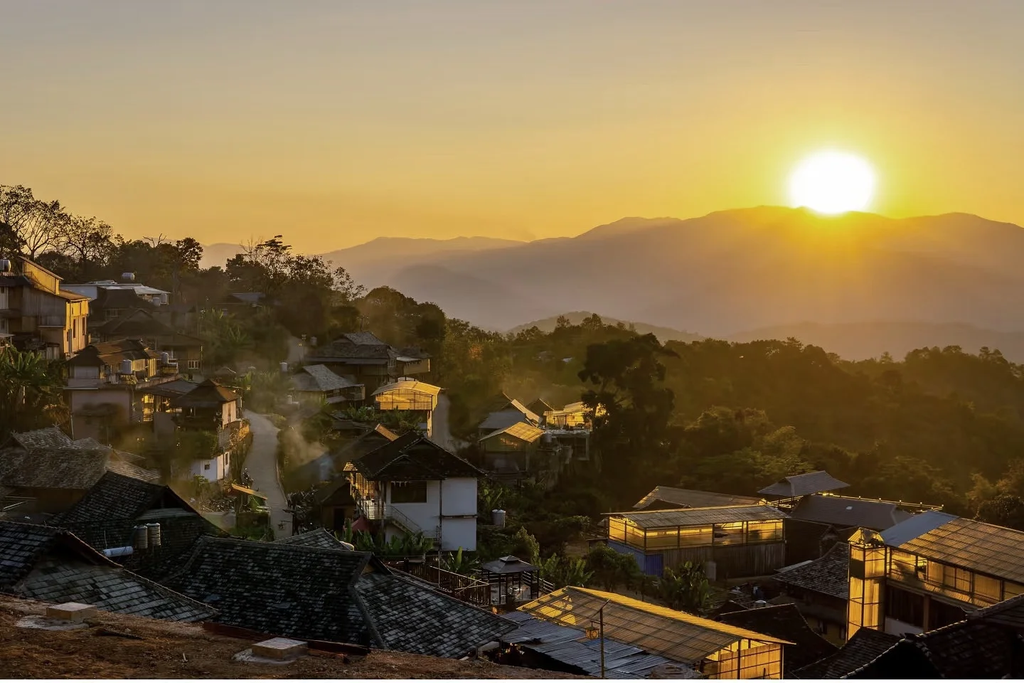
Manghong Village
Nestled in Jingmai, Manghong Village is a traditional Bulang settlement and one of the nine core villages of the UNESCO-listed Old Tea Forests. Quieter than its neighbors, it preserves a rustic charm where visitors can watch daily tea processing and immerse themselves in Bulang tea culture —used for friendship, worship, and marriage ceremonies.
The village layout, centered around a protective heart deity, showcases its cultural heritage. Highlights include the historic Qing-era Octagonal Pagoda, cloud sea vistas , and authentic rural life.
Perched at high elevation, Manghong is often cloaked in mist, making it a perfect spot to witness breathtaking sunrises and sunsets over Jingmai Mountain.

Day 7 — From Leaf to Cup: A Pu'er Journey
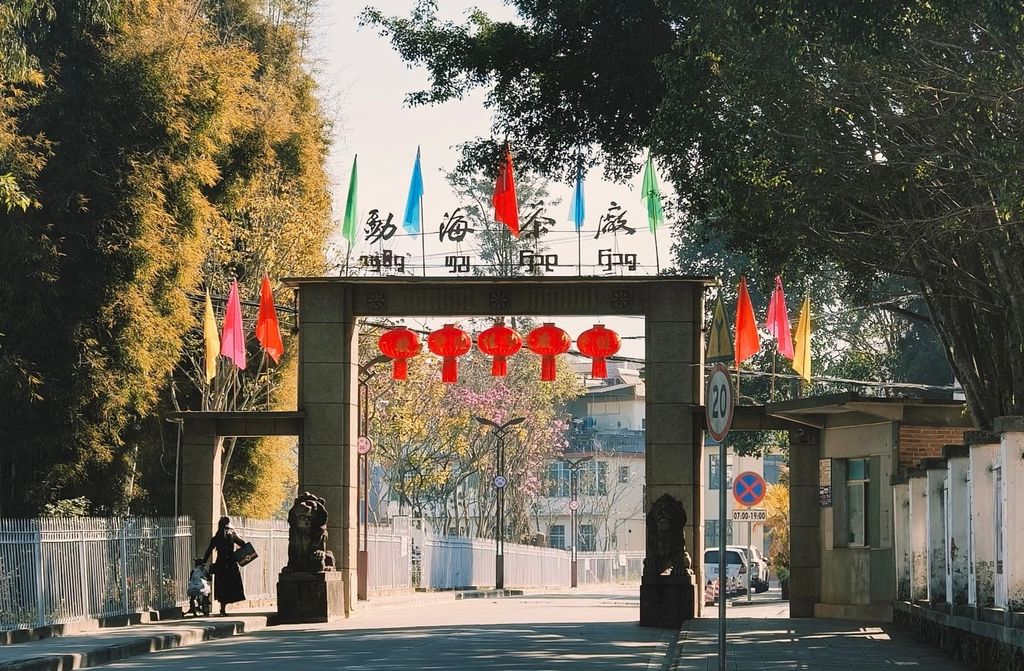
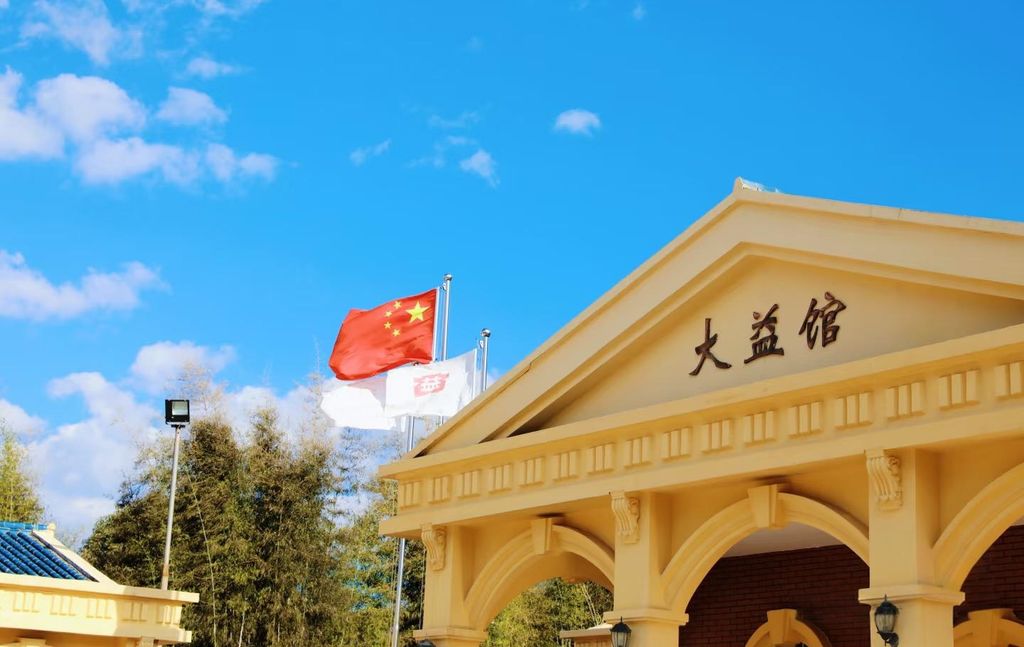
Menghai Tea Factory (Dayi)
The Menghai Tea Factory, home of the iconic Dayi brand, is China's most influential Pu'er tea producer. Founded in 1940 , it shaped the modern Pu'er industry and remains the gold standard for fermented tea craftsmanship.
Visiting the factory offers a rare behind-the-scenes look at industrial-scale Pu'er production — from raw leaf sorting and the wo dui fermentation process to pressing, aging, and packaging. The scale is impressive, with warehouses storing thousands of tons of tea maturing over years and decades.
The on-site Dayi Tea Museum traces Pu'er's evolution from ancient tribute tea to globally sought-after commodity. Displays include vintage tea cakes, historical tools, and the story of how Menghai's climate and microbial environment produce the distinctive Dayi flavor profile.
A guided tasting lets visitors sample teas of different vintages and grades , appreciating the depth and complexity of properly aged Pu'er. Plan about 1.5–2 hours for the visit, including tour and tasting. Tea enthusiasts can purchase limited-edition cakes from the source.


Day 8 — Ancient Crafts & Dai Traditions
Manduan Temple
Manduan Temple in Menghai is one of Xishuangbanna's oldest and most revered Theravada Buddhist temples , with a history spanning several hundred years. Unlike grand tourist temples, Manduan remains an active village monastery where monks study, chant, and maintain daily rituals.
Its architecture showcases the classic Dai Buddhist style — multi-tiered gilded roofs, intricate wood carvings, and vivid murals depicting Jataka tales and Dai legends. Every surface reveals craftsmanship that has earned it recognition as a heritage site.
What makes Manduan special is its intimate, unhurried atmosphere . Visitors can observe monks going about their day, admire exquisite interior artwork up close, and gain insight into how Theravada Buddhism shapes Dai daily life — from ordination ceremonies to the rhythm of festivals and merit-making.
The surrounding village adds charming context, with traditional Dai stilted homes, lush tropical gardens, and peaceful lanes framing the temple grounds. Please dress modestly and remove shoes before entering the main hall.


Manzhao Village
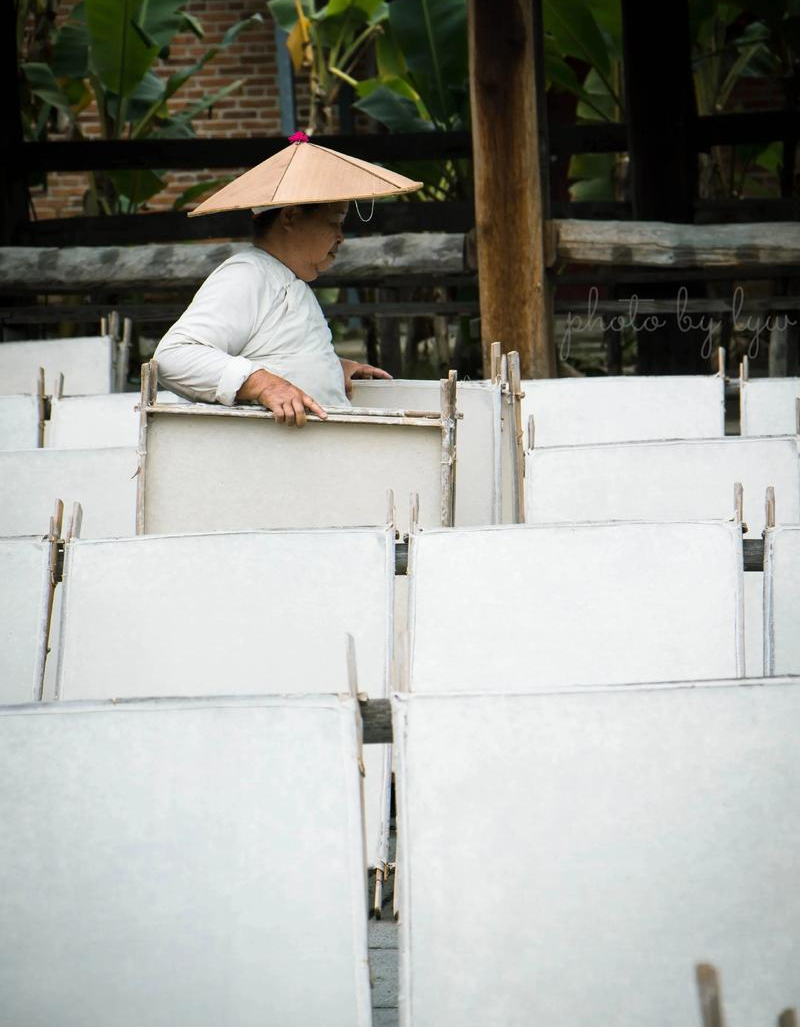
Manzhao Village is the living birthplace of traditional Dai handmade paper , a craft recognized as national intangible cultural heritage. For more than 800 years , villagers have passed down these papermaking techniques with little change since the Tang Dynasty, making it one of China’s oldest surviving papermaking traditions.
The process is wonderfully hands-on: bark from the local Gou tree is soaked, pounded, spread on frames, and sun-dried into beautifully textured sheets. Visitors can watch every step and even try spreading the pulp themselves — a truly immersive cultural experience.
This paper—known as Gou Pi Zhi —has traditionally been used for writing Buddhist scriptures, wrapping Pu'er tea cakes, and crafting ceremonial items. Its durability and insect-resistant qualities have kept it in demand for centuries.
The village itself is a charming Dai stilted-house settlement surrounded by tropical greenery, where daily life revolves around the craft. Local artisans are warm and welcoming, and they’re happy to demonstrate and explain their work. Plan about 1–1.5 hours for a visit, including a hands-on papermaking experience.


Day 9 — A Tropical Farewell
Xishuangbanna Tropical Botanical Garden
Xishuangbanna Tropical Botanical Garden (XTBG), along the Luosuo River, is an extraordinary living museum of tropical flora. As China's largest botanical garden , it cultivates approximately 14,000 living plant species across lush grounds.
West Zone: Stroll through 39 thematic gardens — from the Water Lily Pond, where giant Victoria pads can hold a child, to the towering Palm Garden, the Rare and Endangered Plants Garden where "dancing grass" sways to touch, and the Flower Garden's tropical blooms.
East Zone: Step into 250 hectares of pristine tropical rainforest — "strangler figs" slowly engulfing their hosts, "one-tree forests" spreading canopies across entire clearings, and massive buttress roots rising like natural sculptures. Every turn is a live lesson in rainforest ecology.
Beyond its scenic appeal, XTBG is a world-class research center under the Chinese Academy of Sciences, advancing tropical plant conservation and ecology. It runs hands-on educational programs for all ages — from nature walks to workshops. Plan a full day to do the garden justice.