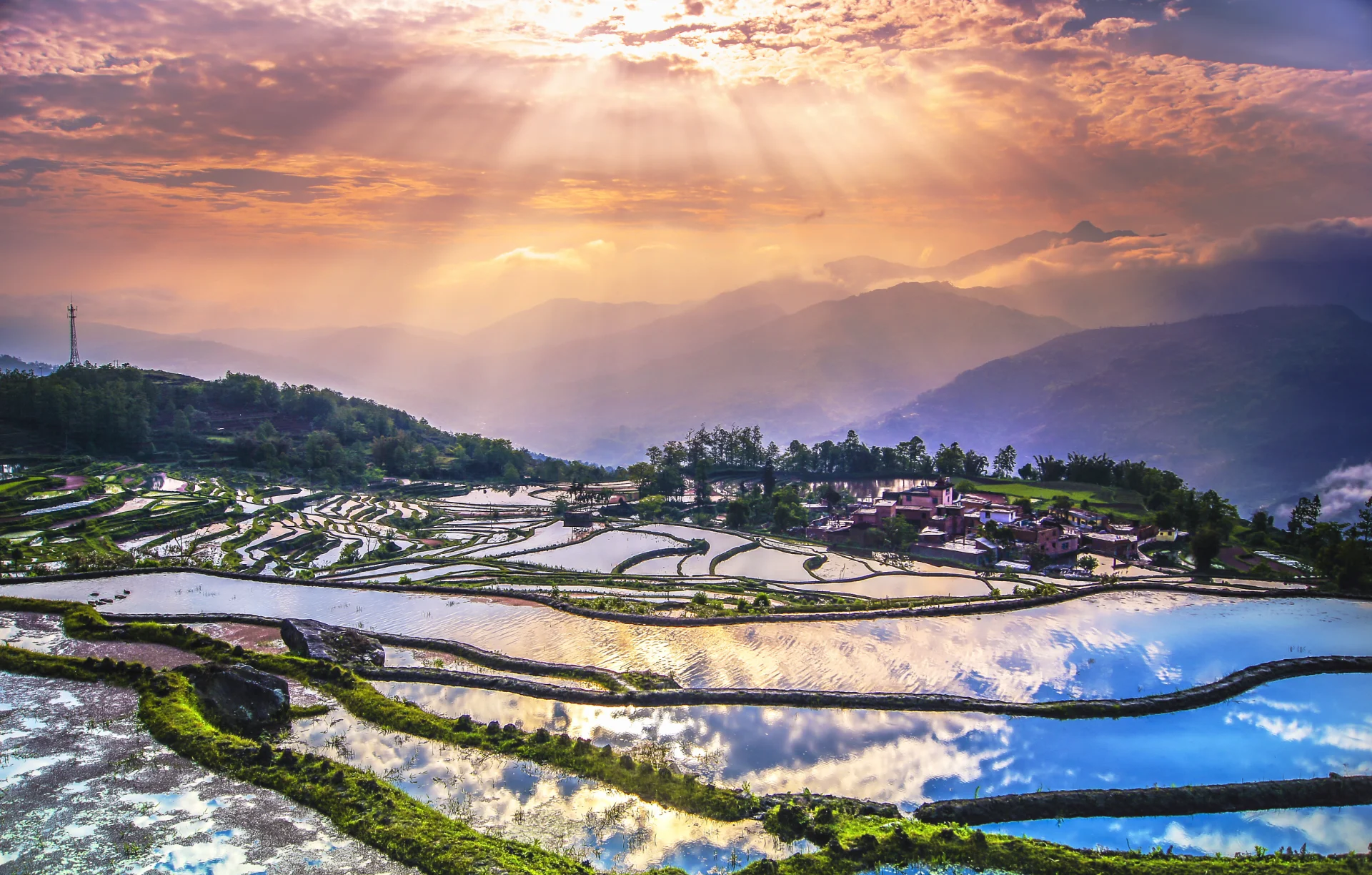
Yunnan, China
The Soul of Terraced Yunnan
Pristine Ethnic Sanctuaries & Golden Landscape Magic
Why Yunnan?
World Heritage & Natural Wonders: Explore dramatic limestone formations at the Stone Forest, witness the majestic Meili Snow Mountain, and experience sunrise over the Yuanyang Terraced Rice Fields—a breathtaking UNESCO site.
Cultural Mosaic & Ancient Towns: Immerse yourself in the rich heritage of Lijiang Ancient Town (a UNESCO site), discover the history of the Dali Kingdom, and experience the unique traditions of the Naxi and Bai ethnic groups.
Serene Landscapes & Outdoor Adventure: Trek through the stunning Tiger Leaping Gorge, relax by peaceful Erhai Lake, and venture into Xishuangbanna’s pristine nature reserves to encounter rare wildlife and tropical flora.
Unique Flavors & Tea Culture: Savor the iconic Crossing the Bridge Noodles, taste wild mushroom dishes, and explore the historic Ancient Tea Horse Road while sampling world-renowned Pu’er tea.
Our Itinerary
4-Day Trip
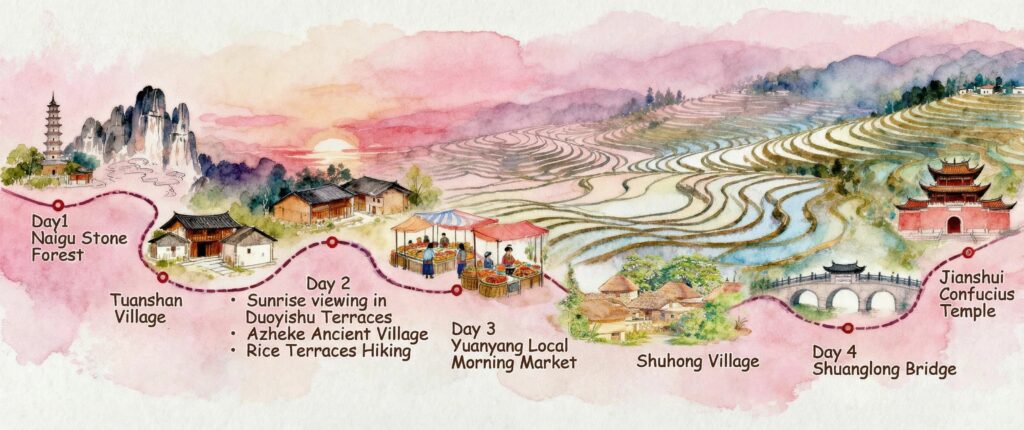
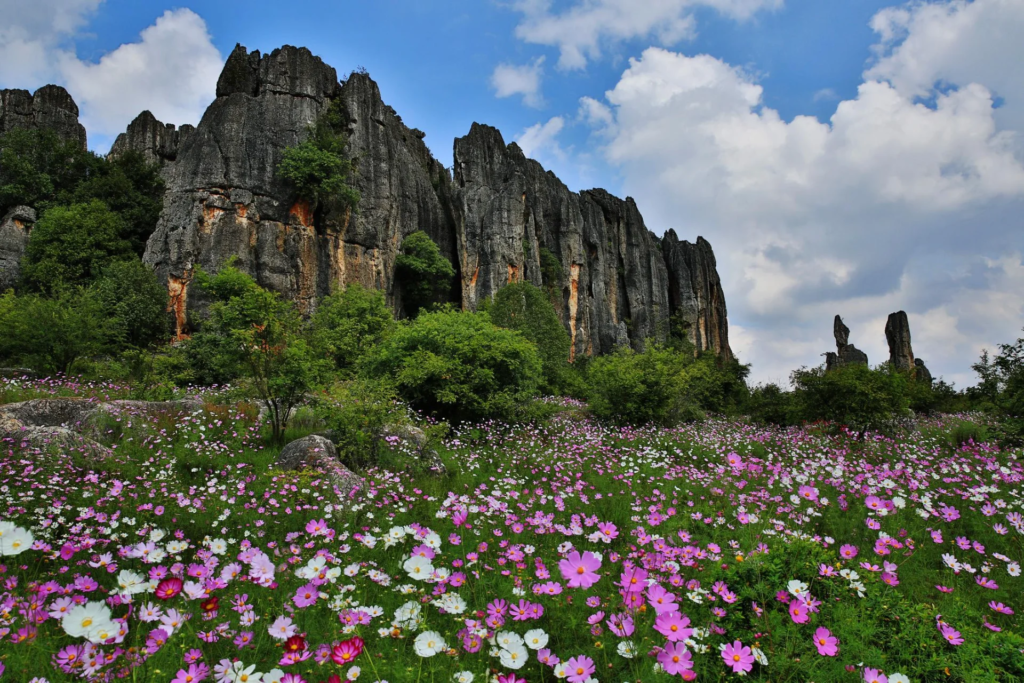
Naigu Stone Forest: A Timeless Black Landscape
Within Yunnan’s “South China Karst” UNESCO World Heritage Site, if the Greater and Lesser Stone Forests are an exquisite Yi maiden, then Naigu is a warrior in black armor—standing silent and solemn for hundreds of millions of years.
“Naigu” means “black” in the Yi language. Locals also call it “Hei Song Yan” (Black Pine Crag). Upon entering, vast black stone peaks rise before you, formed from 270-million-year-old Paleozoic dolomitic limestone. This pristine example of “stone forest karst” is a globally rare geological wonder—a living epic carved into the land.
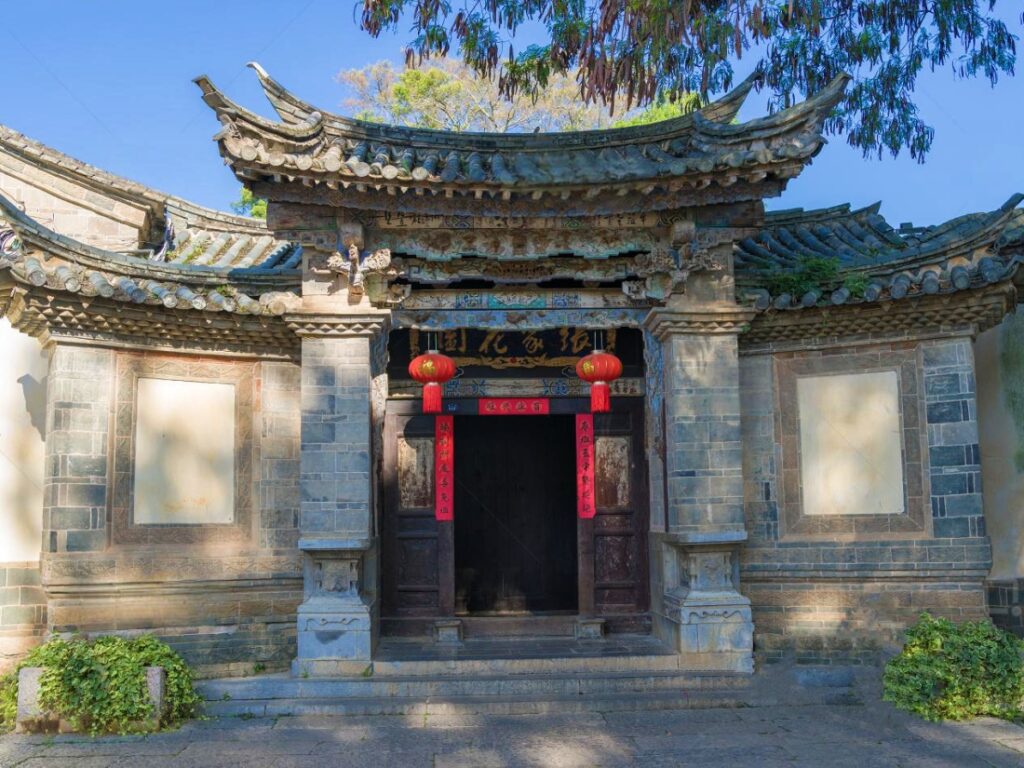
Tuanshan Village: A Hidden Gem of Yi Architecture
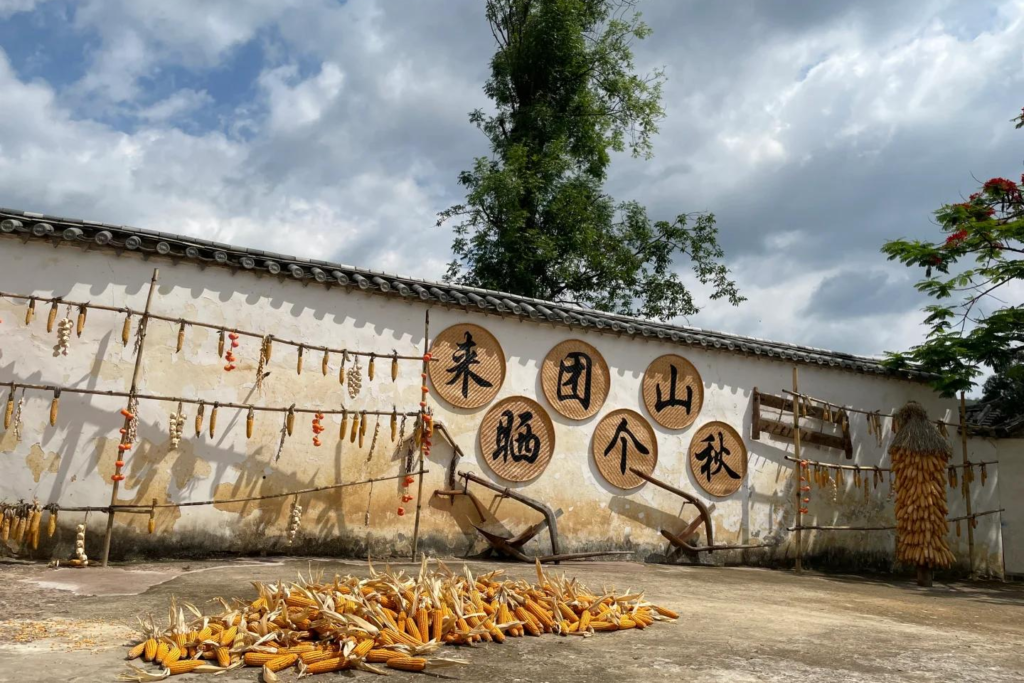
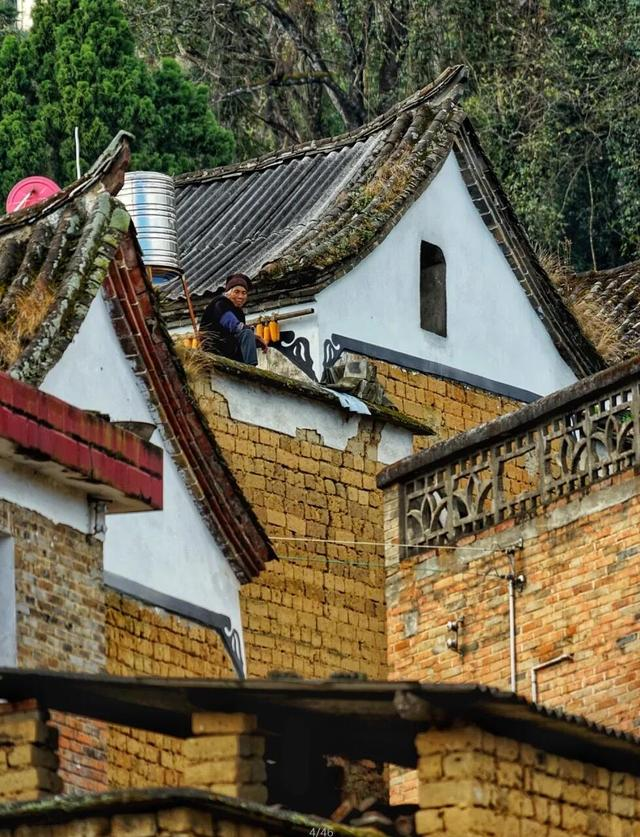
Tuanshan Village sits just outside Jianshui Ancient Town—a remarkably preserved Yi settlement with over 600 years of history. This compact village of 62 courtyard houses has won a UNESCO Asia-Pacific Heritage Award for its authentic display of traditional rural architecture and community life.
The village showcases exquisite Yi houses with elegant courtyards, intricate wood carvings, painted beams, and ceramic ornaments. Unlike many restored sites, Tuanshan remains a living community where residents continue their traditions.
High courtyard walls line quiet lanes, leading to architectural treasures like the Zhang Family Garden with its well-preserved Qing-era decorations. The peaceful atmosphere provides a refreshing contrast to commercialized tourist destinations.
Tuanshan demonstrates how functional architecture can achieve timeless beauty through masterful craftsmanship and deep cultural expression—making it an exceptional destination for authentic Yi culture.
Yuanyang Rice Terraces
Over 1,300 years ago, the Hani people carved the Yuanyang Rice Terraces into the Ailao Mountains, creating one of the world’s most spectacular agricultural landscapes. This UNESCO World Heritage Site spans over 12,000 hectares across steep mountain slopes, forming a breathtaking mosaic.
A complex irrigation system channels water from mountain forests through each level, demonstrating the Hani people’s deep ecological understanding—a sustainable method refined over countless generations.
Each viewpoint offers something different: Duoyishu for sunrise, Laohuzui for sunset, and Bada for geometric patterns. The terraces shift with the seasons—from water-filled mirrors to green fields to golden harvest. This living landscape embodies harmony between humans and nature.
Duoyishu Terraces: The Premier Sunrise Viewing Point
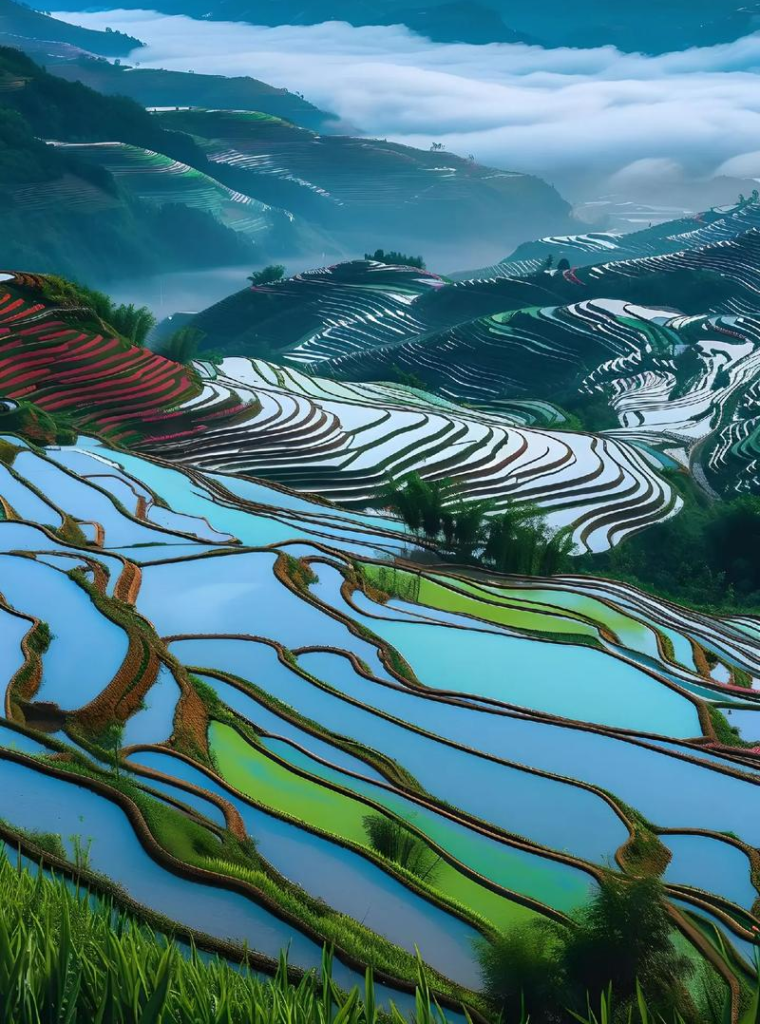
Duoyishu is widely regarded as the best sunrise viewpoint in Yuanyang, offering photographers stunning dawn panoramas. Its ideal elevation captures the first rays of sunlight illuminating the terraced landscape with spectacular results.
The terraces feature exceptional layering and depth, with hundreds of levels cascading down the mountainside. When flooded, these water-filled terraces become giant natural mirrors reflecting the sunrise’s shifting colors.
As the sun rises, the view transforms—from deep blue pre-dawn to golden orange to brilliant silver. A sea of clouds often fills the valleys below, adding magic to the scene.
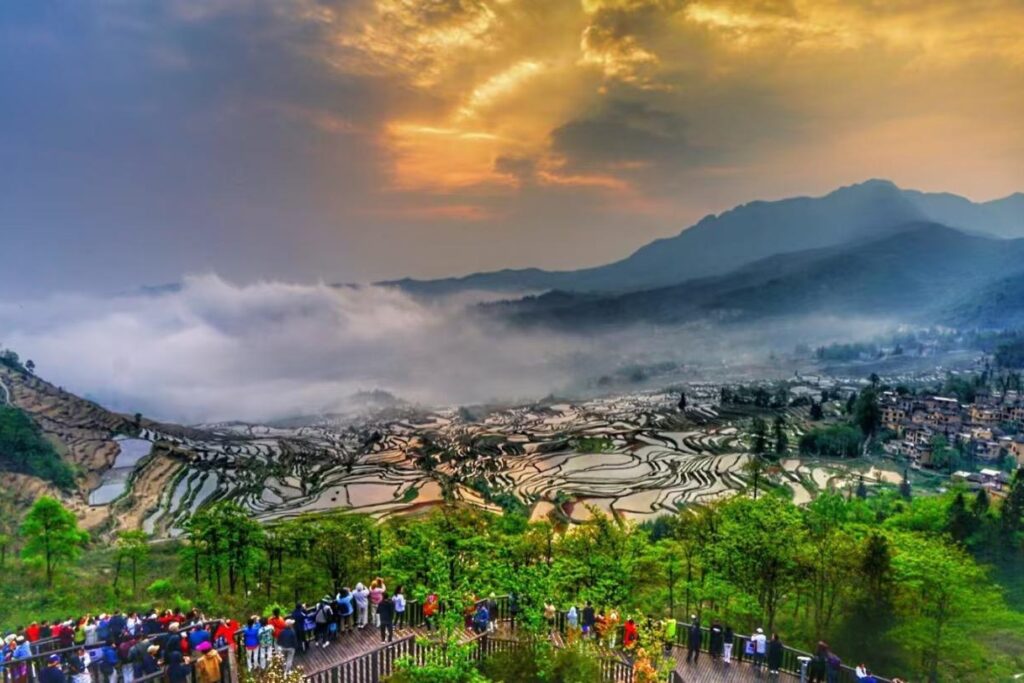
Arrive early, as the best light occurs between 6:30–7:30 AM. The platform can be crowded, but the spectacle is worth it. Duoyishu perfectly captures Yuanyang’s terraced beauty and offers one of China’s most iconic landscape photography opportunities.
Azheke Ancient Village: A Mysterious Hani Ethnic Village
Nestled among Yunnan’s Yuanyang rice terraces, Azheke Village is a hidden gem of Hani culture. Over 60 traditional “mushroom cottages” of brick and thatch have stood here for over 160 years. Walking through feels like stepping into another time—terraced fields and lush forests surround you, each corner steeped in history.
The village’s isolation has kept Hani traditions intact. Visiting feels like entering a time capsule where old ways endure, offering an authentic glimpse into a bygone era.
At sunset, the terraces glow gold as villagers work amid nature’s sounds. In the evening, join a local family for dinner and savor rich, time-honored flavors. Time slows here, inviting you to connect with the land and its people.
Yuanyang Rice Terraces Hiking
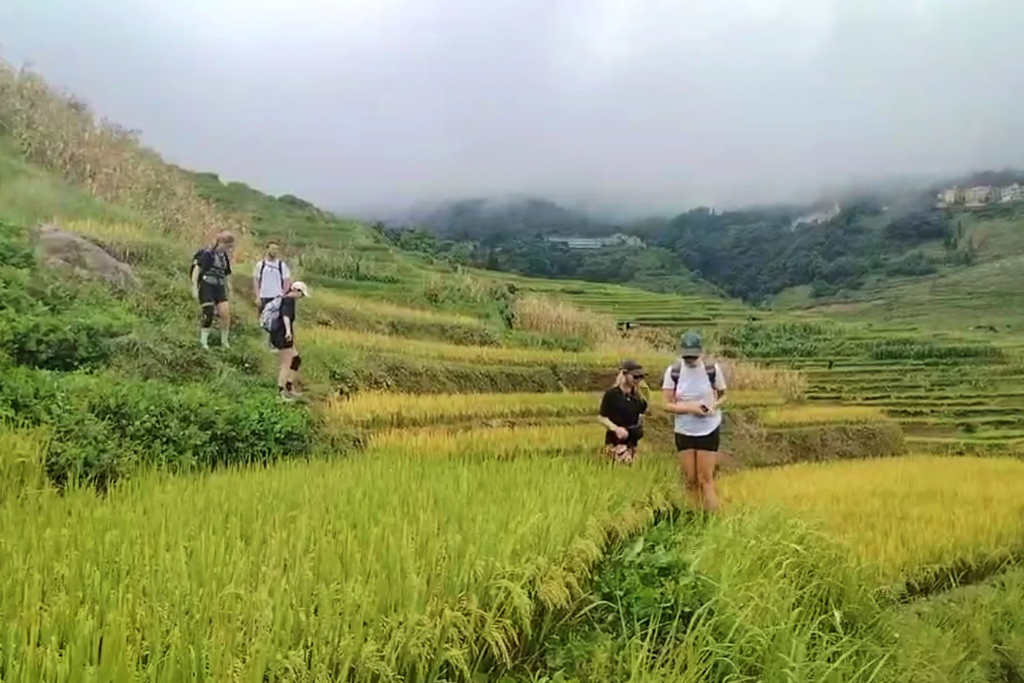
This hike immerses you in the stunning landscape of terraced rice fields and picturesque villages. Along the way, several viewpoints offer breathtaking views where you can admire the natural beauty and watch local villagers tending their fields. As you wander through this tranquil landscape, the vibrant colors, the scent of fresh earth, and the sounds of nature deepen your connection to the land and its people.
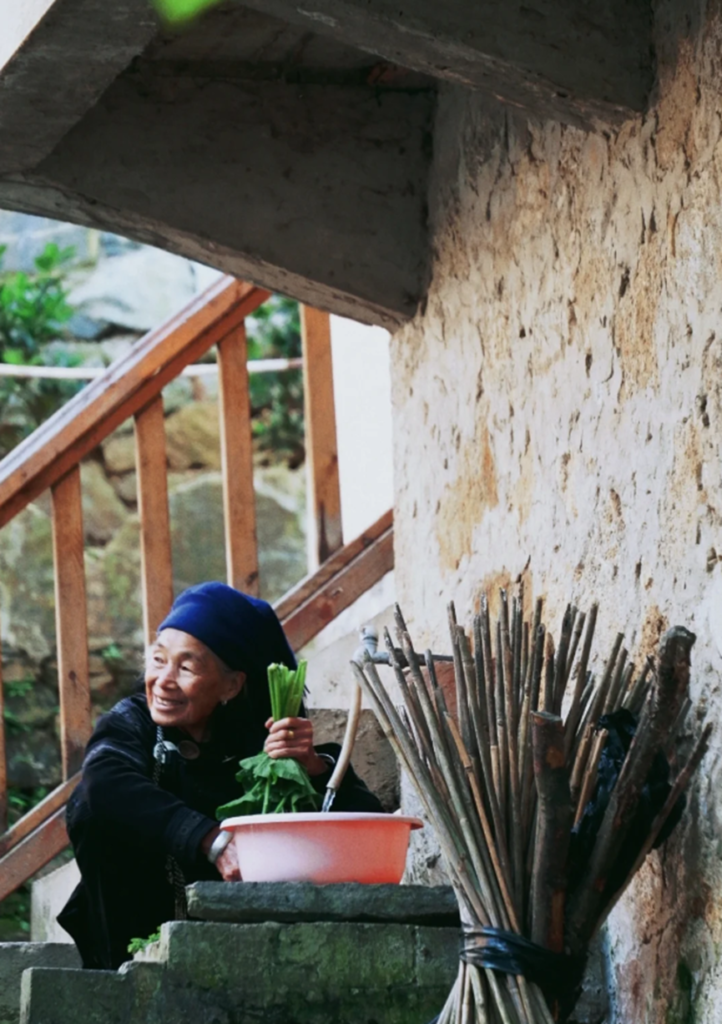
Hiking through the Yuanyang Rice Terraces offers an entirely different experience than viewing them from a distance—you don’t just see the landscape, you become part of it. As you walk along narrow footpaths winding between the paddies, every step brings you closer to the land. The soft splash of water, the rustle of rice plants, and the rhythm of your footsteps blend into the natural symphony of the fields. Villagers pass by carrying baskets, offering a quiet nod or a warm smile. It’s in these moments—when you’re walking inside the very lines etched by generations—that you truly feel the harmony between humanity and nature.
Yuanyang Local Morning Market
Yuanyang Local Morning Market offers an authentic glimpse into ethnic minority life, bringing together Hani, Yi, and other groups from surrounding mountain villages. This vibrant gathering showcases the region’s rich cultural diversity and trading customs passed down through generations.
The market comes alive with color as vendors in traditional costumes sell fresh produce, textiles, handicrafts, and mountain products. The atmosphere buzzes with multiple languages and warm community interactions.
For the best experience, arrive between 6:00–7:00 AM when the market is most active. You’ll find mountain herbs, wild mushrooms, handmade baskets, and traditional foods rarely seen elsewhere.

Samaba Rice Terraces
The Samaba Rice Terraces form the world’s largest contiguous terraced landscape. Spanning 14,000 acres across 4,300 tiers, this 600-year-old masterpiece showcases Hani ingenuity and the ancient “four-element ecosystem”—forests, villages, terraces, and waterways in sustainable harmony.
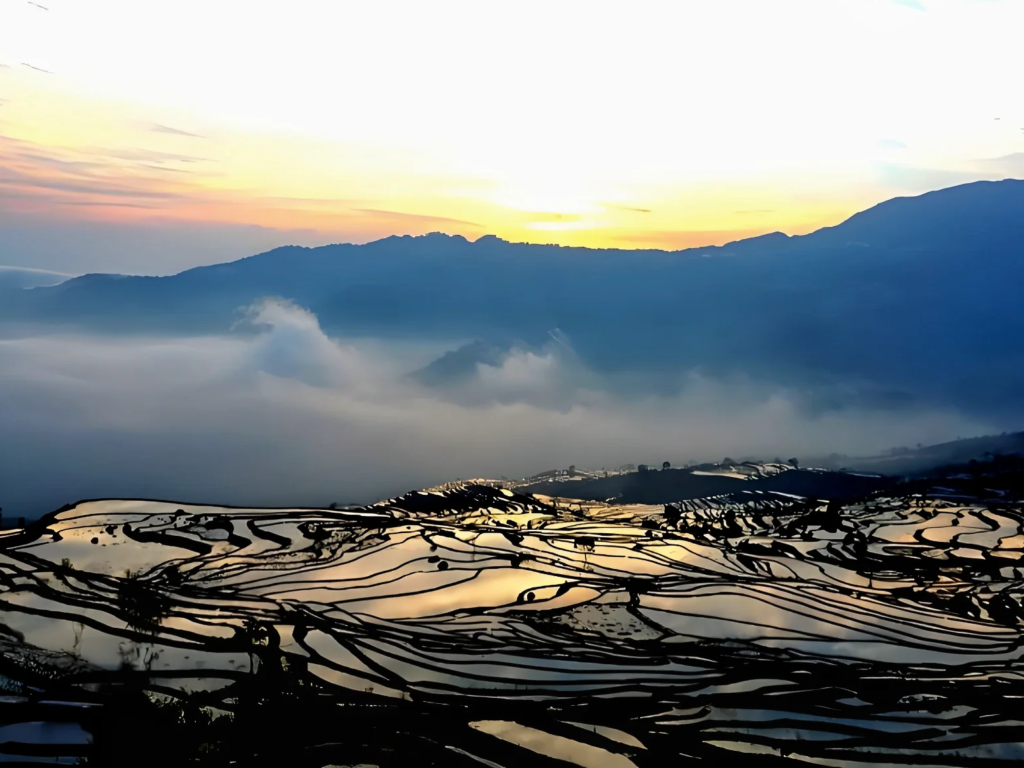
The landscape transforms with the seasons. From November to April, flooded paddies create a stunning mosaic of mirrors reflecting the sky. Visit the Lukuibadi Viewing Platform at sunrise, when mist and light dance across the slopes, or at sunset for warm, golden hues.
Beyond the views, Samaba offers rich cultural immersion—explore traditional Hani villages like Suhong to observe local crafts and daily life, or stay overnight at a terrace-view guesthouse to embrace the timeless rhythm of the land. More than scenery, Samaba is a living testament to humanity’s harmony with nature.
Suhong Ancient Village
Nestled in the Samaba Terraces, Suhong Ancient Village is a living Hani settlement and part of the iconic “Fourfold World” ecosystem: forests, villages, terraces, and waterways. Its charm unfolds through cobblestone paths, moss-covered walls, and the gentle rhythm of daily life.
Wander through Hani stone-and-earth houses and witness centuries-old farming traditions. Watch villagers catch fish from paddies or practice crafts like rattan weaving. Take a quiet moment to savor local coffee or Pu’er tea in a rustic setting.
The best time to visit is during the flooded season (November to April), with December to January ideal for mirror-like reflections and stunning seas of cloud. Suhong offers a genuine escape—a deep connection to thousand-year-old Hani farming culture at the heart of this terraced landscape.
Shuanglong Bridge (Seventeen-Arch Bridge)
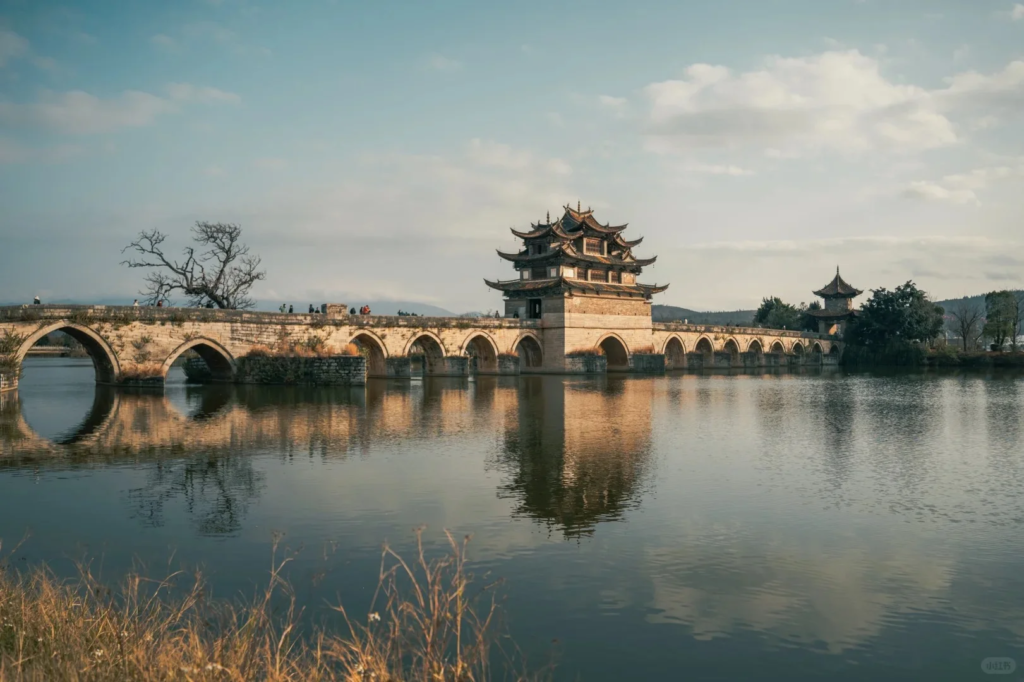
Shuanglong Bridge, a magnificent 17-arch stone bridge from the Qing Dynasty, spans the confluence of two rivers outside Jianshui. At 148 meters long, it’s one of China’s most impressive ancient bridges—a striking blend of engineering strength and aesthetic grace.
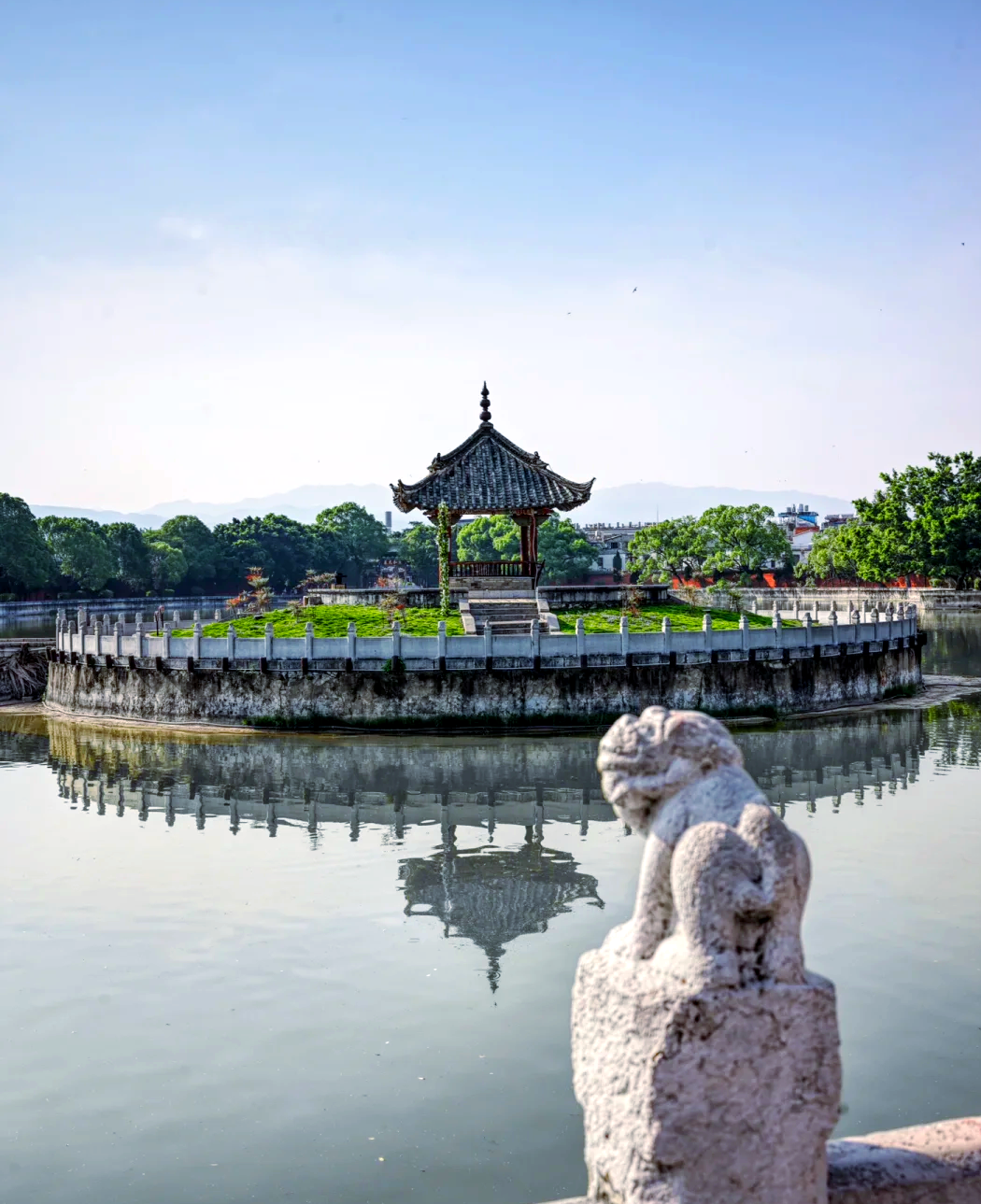
The bridge’s seventeen arches vary in size, forming a harmonious curve. Three ornate pavilions crown its deck, serving as both shelter for travelers and social gathering spaces—a seamless fusion of function and beauty.
Built without modern tools, the bridge demonstrates remarkable engineering ingenuity. Its design expertly handles seasonal floods while maintaining elegance throughout the year.
The bridge gained renewed fame as a filming location for a popular Chinese reality show. Sunset offers the most magical views—the stone arches glowing in golden light, reflected perfectly in the calm waters below, capturing the timeless harmony of this architectural treasure.
Jianshui Confucius Temple
Built in 1285 during the Yuan Dynasty, Jianshui Confucius Temple is China’s second largest Confucian temple. This impressive 114-acre complex represents the pinnacle of classical architecture in southwestern China, reflecting the region’s rich historical and cultural heritage.
The temple follows strict traditional symmetry, with courtyards, halls, and pavilions arranged along a central axis. It features exceptional craftsmanship in wood carving, stonework, and roof construction.
Key structures include the imposing Dacheng Hall, supported by 28 massive wooden pillars, and the serene Xuehai (Sea of Learning) Pond with its elegant bridges. Ancient cypress trees—some over 700 years old—add to the site’s solemn and grand atmosphere.
Today, the temple remains a vital educational and cultural center, hosting traditional ceremonies. Its peaceful setting offers a meaningful space for contemplating Confucian values, making it essential for understanding Chinese philosophy and architectural heritage.
Price & Services
Standard Package
- Exclusive car service 4 days
- 1-day English hiking guide in Yuanyang
- 3 nights’ standard accommodation with breakfast
- Entrance tickets for all attractions
- English-speaking 7/12 online assistant service
- Travel insurance
Flexi-Guided Tour
- Exclusive car service 4 days
- 3 nights’ standard accommodation with breakfast
- Entrance tickets for all attractions
- English-speaking 7/12 online assistant service
- Travel insurance
(Prices may change depending on peak-season supply and demand. For exact details, please consult ours travel planner.)
❎ Not Include:
- International & domestic transportation to/from Kunming
- Food and beverages (lunch and dinner)
- Personal expenses (e.g., souvenirs, snacks, extra activities)
START MY JOURNEY