Why Yunnan?
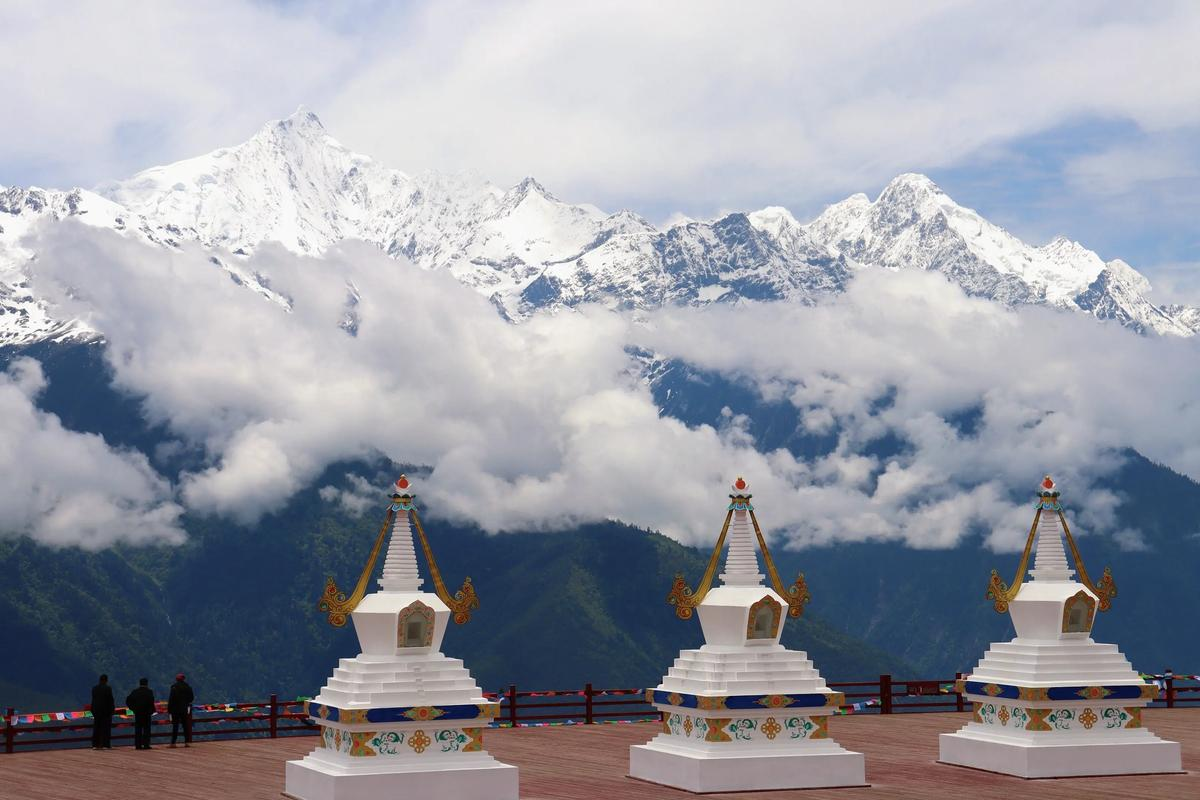
World Heritage & Natural Wonders: Explore dramatic limestone formations at the Stone Forest, witness the majestic Meili Snow Mountain, and experience sunrise over the Yuanyang Terraced Rice Fields—a breathtaking UNESCO site.
Cultural Mosaic & Ancient Towns: Immerse yourself in the rich heritage of Lijiang Ancient Town (a UNESCO site), discover the history of the Dali Kingdom, and experience the unique traditions of the Naxi and Bai ethnic groups.
Serene Landscapes & Outdoor Adventure: Trek through the stunning Tiger Leaping Gorge, relax by peaceful Erhai Lake, and venture into Xishuangbanna’s pristine nature reserves to encounter rare wildlife and tropical flora.
Unique Flavors & Tea Culture: Savor the iconic Crossing the Bridge Noodles, taste wild mushroom dishes, and explore the historic Ancient Tea Horse Road while sampling world-renowned Pu’er tea.
Our Itinerary
5-Day Trip
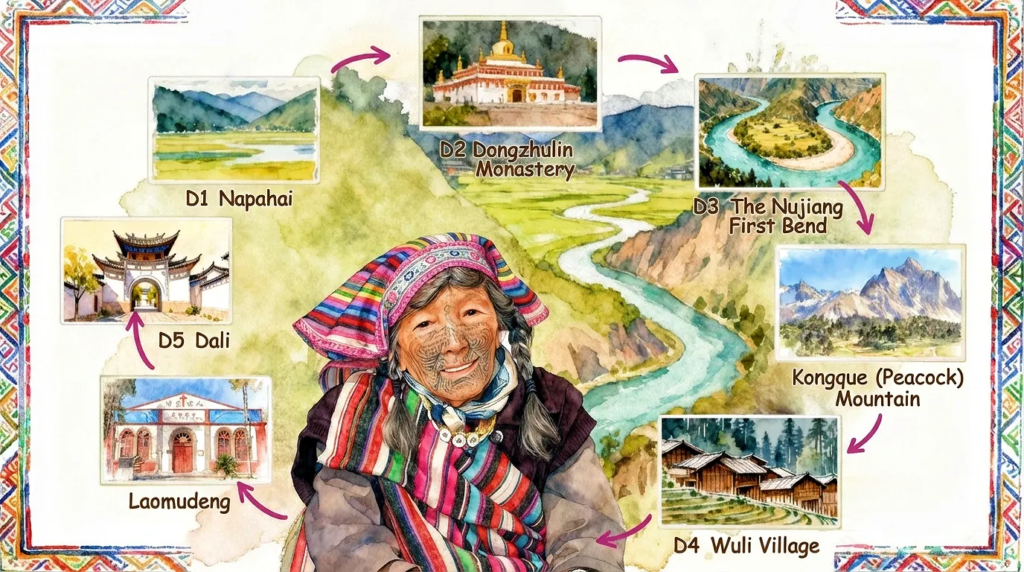
Napahai Lake
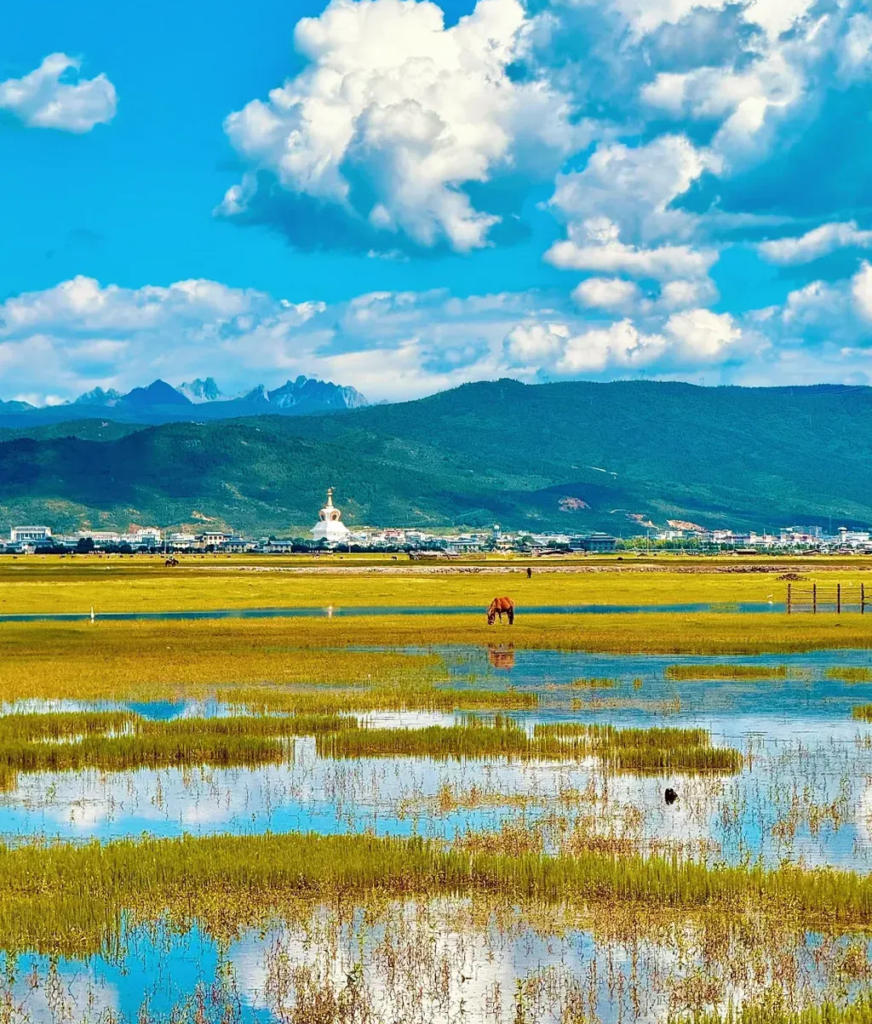
With the changing seasons, Napa Lake shifts between a shimmering wetland and an endless golden pasture. In summer and autumn, it becomes a vast grazing land where yaks and horses roam freely. Tibetan nomadic tents scatter across the plains, their smoke curling gently into the sky, as if time itself has slowed down.
In winter and spring, the lake swells, mirroring the distant snow-capped peaks in its glassy surface. As dawn breaks, black-necked cranes dance gracefully on the shimmering water. Revered by Tibetans as sacred birds, these elegant creatures return year after year, bringing a rhythm of life to this pristine highland wetland.
Ride horseback along the windswept shores, feeling the vastness of the land, or drift quietly across the lake in a small wooden boat, listening to the whispers of waterfowl. Napa Lake is more than just a landscape—it’s an experience of harmony with nature, a moment of quiet immersion that lingers in the heart long after you leave.
The Jinsha River Great Bend
Nestled where Yunnan meets Sichuan, the Jinsha River has sculpted one of China’s most breathtaking natural wonders—the Great Bend of Jinsha River, poetically known as “Moon Bay” or the “First Bend of Jinsha”.
This spectacular formation showcases the river carving a perfect Ω-shaped loop around the conical Rizhui Peak, resembling an emerald silk ribbon gracefully draped across the mountainous landscape.
From the dedicated viewing platform, visitors are treated to an unparalleled panorama. The scene harmonizes deep river valleys, golden hills, and the powerful yet tranquil flow of the Jinsha River, with the Rizhui Peak standing proudly at the center. This vista offers a prime photography opportunity.
Feilai Temple: The Premier Vista for Golden Sunrises & Sunsets over Meili Snow Mountain
Perched at 3,400 meters above sea level in Deqin County, Feilai Temple (also known as Jixiang Feilai Temple) stands directly opposite the sacred Meili Snow Mountain (Kawa Karpo), making it the ultimate vantage point for witnessing one of nature’s most breathtaking displays: the “Sunlit Golden Peaks”. This spectacular phenomenon occurs during the soft light of sunrise or sunset, when the snow-capped mountains appear to ignite in a blaze of molten gold, casting an ethereal glow across the entire valley.
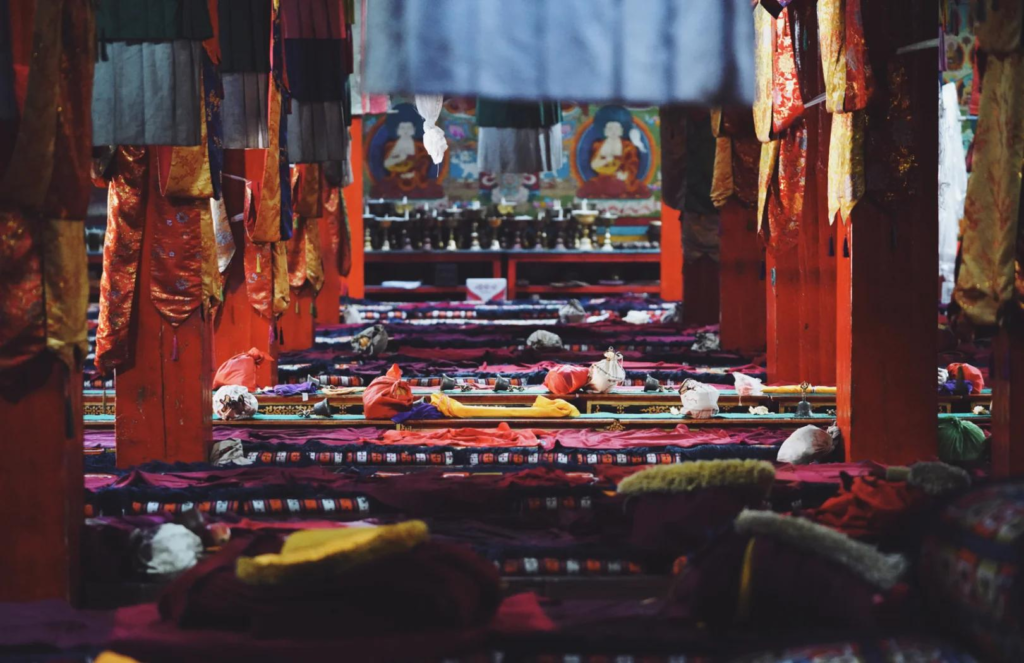
“Sunlit Golden Peaks”(日照金山): A Rare Natural Wonder
This mesmerizing effect occurs when sunlight strikes Meili Snow Mountain’s ridges at just the right angle, transforming them into a radiant golden spectacle. High-altitude ice crystals refract the light at dawn or dusk, creating a brilliant contrast against the deep blue shadows below.Perched at 3,400 meters above sea level in Deqin County, Feilai Temple (also known as Jixiang Feilai Temple) stands directly opposite the sacred Meili Snow Mountain (Kawa Karpo), making it the ultimate vantage point for witnessing one of nature’s most breathtaking displays: the “Sunlit Golden Peaks”. This spectacular phenomenon occurs during the soft light of sunrise or sunset, when the snow-capped mountains appear to ignite in a blaze of molten gold, casting an ethereal glow across the entire valley.
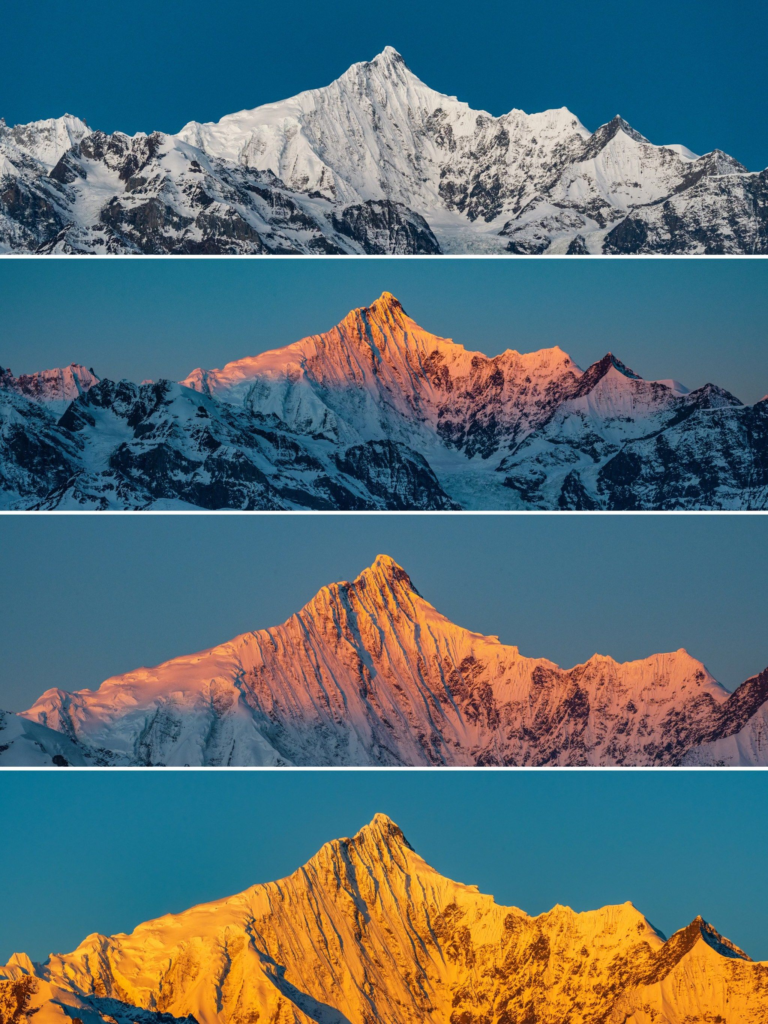
Meili Snow Mountain
Meili Snow Mountain is revered as one of the eight sacred mountains of Tibetan Buddhism and honored as the “King of Snow Mountains”. Its main peak, Kawagarbo (6,740 m), is the highest peak in Yunnan.
Today, it is the only mountain legally prohibited from ascent due to cultural protection. With twelve surrounding peaks above 6,000 m, it forms the “Thirteen Peaks of the Prince”.
One of the most breathtaking phenomena here is the “Sunlit Golden Peaks”, visible only under specific conditions. Golden rays descend and illuminate the snow-covered summit. Best vantage points are Wunongding Viewing Platform and Feilai Temple.
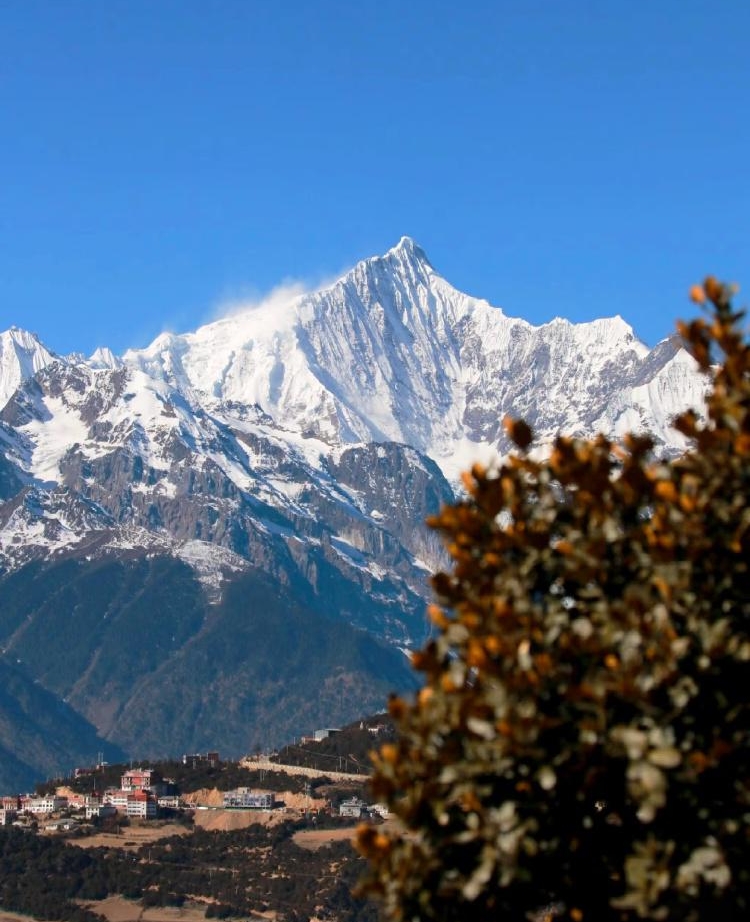
Kongque (Peacock) Mountain and Hiking, Deqin
On the border between Nujiang and Diqing, Kongque Mountain rises to 4,400 meters. Stretching north to south, it forms a majestic natural divide between the Lancang and Nujiang river valleys.
Near the summit, the “Twelve Heavenly Heart Lakes” glisten like scattered gems. Crystal-clear waters mirror the surrounding snow-capped peaks and prayer flags, creating a photographer’s dreamscape at sunset.
A range of hiking trails caters to all levels of adventurers. Beginners can enjoy a gentle 5-kilometer loop winding through flower-dotted meadows and serene lakes, while seasoned hikers can take on the challenging 10-kilometer route that climbs through rhododendron forests.
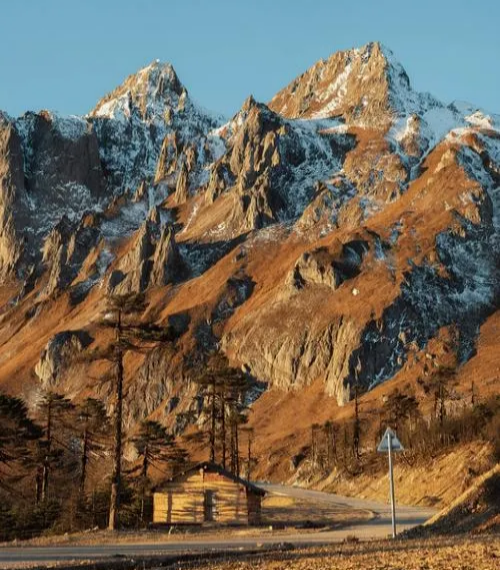
The Nujiang First Bend
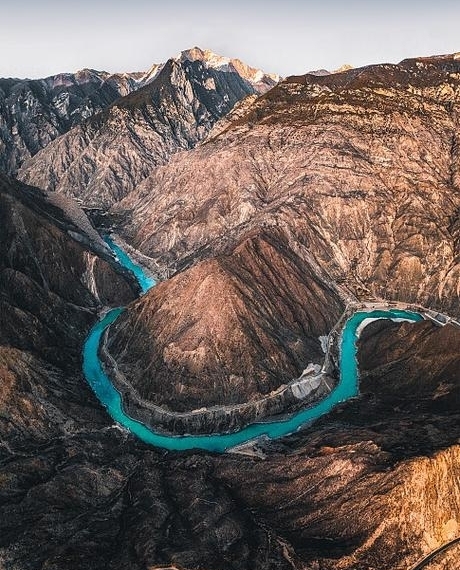
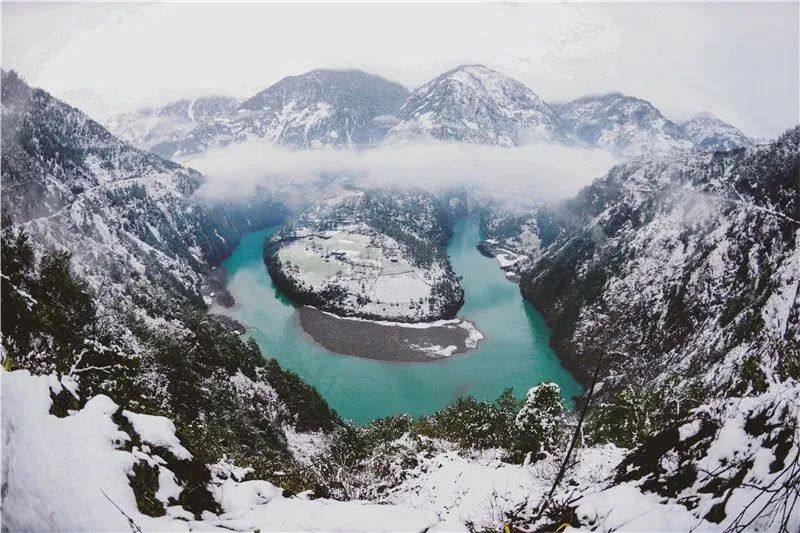
The Nujiang First Bend, locally called “Huǒ Jiá”, is a spectacular natural landmark near Bingzhongluo. Formed where the river is deflected by Wangqing Cliff and Danla Mountain, it carves a nearly 360-degree horseshoe curve in the canyon.
From above, the turquoise river wraps like an emerald ribbon around Kantong Village—a tranquil, flat expanse of farmland nestled at its heart. Here, locals are often seen boating and singing along the banks during the farming off-season, their peaceful lives contrasting with the powerful natural setting.
Bingzhongluo
Tucked away at the northernmost end of the Nujiang Grand Canyon lies a sacred land known as “a place where humans and deities dwell together”—Bingzhongluo.
Located in the core area of the “Three Parallel Rivers” UNESCO World Natural Heritage site, it is one of the most enchanting hidden gems in northwest Yunnan and a living museum along the ancient Tea-Horse Road.
What makes Bingzhongluo even more remarkable is the harmonious coexistence of diverse cultures. This peaceful land is home to the Nu, Lisu, and Tibetan peoples, who have maintained a tradition of living together in harmony. Here, Tibetan Buddhist white stupas stand peacefully alongside Catholic churches in the same villages. Bingzhongluo welcomes travelers with its unique blend of culture and nature.
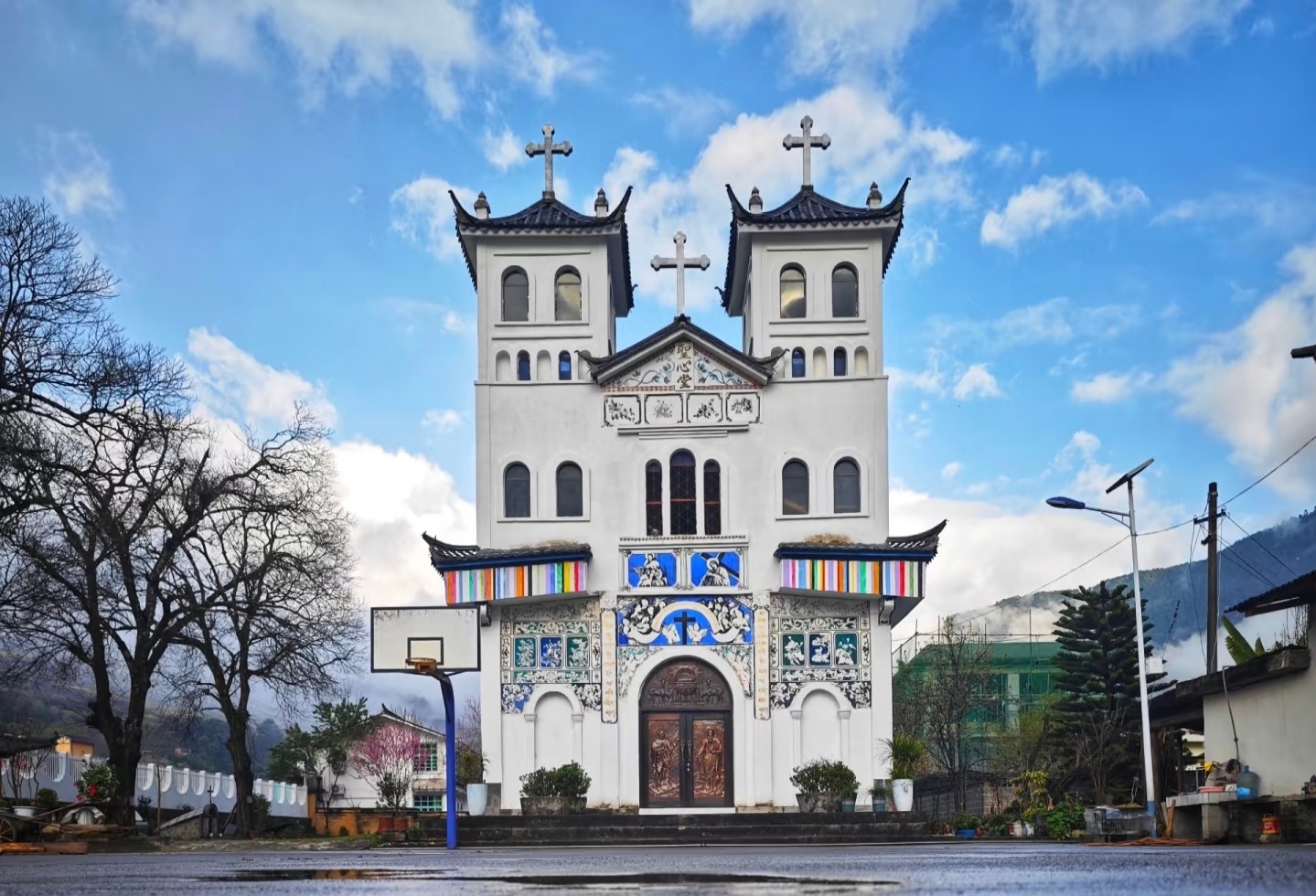
Begin at Qiunatong Village, the “First Village from Tibet into Yunnan,” perched at the head of the Nujiang Grand Canyon. Traditional Nu-style dwellings with distinctive stone-slab roofs climb the mountain slopes, while a small Catholic church reflects the region’s unique East-meets-West heritage.
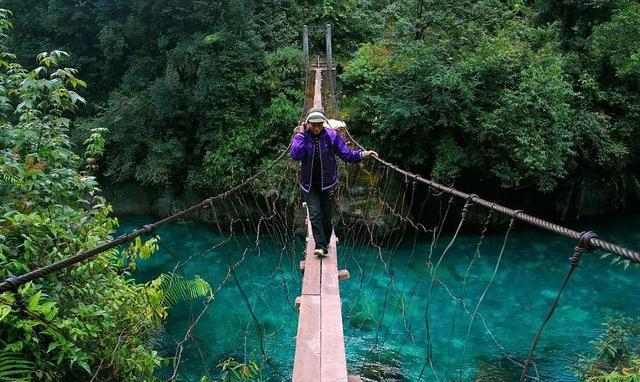
Continue to Wuli Village, home to the best-preserved traditional architecture in Gongshan. Walk a 1.5-kilometer stretch of the original Ancient Tea-Horse Road carved into cliffs above the Nujiang River—a “living” historic trail still used by locals daily.
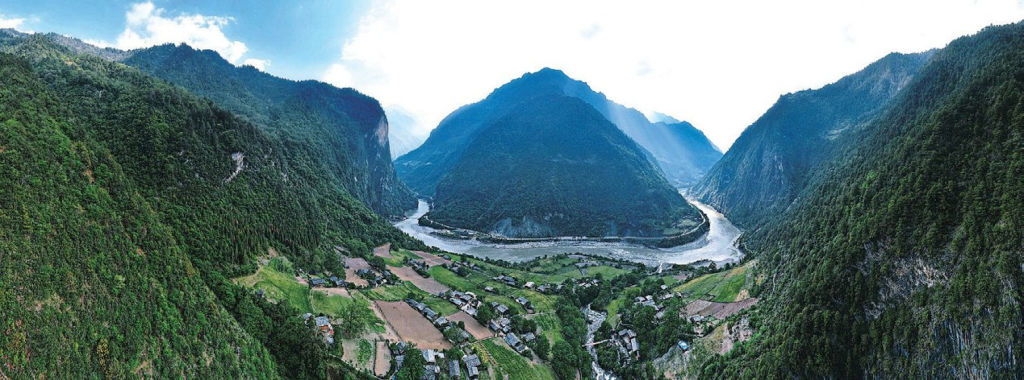
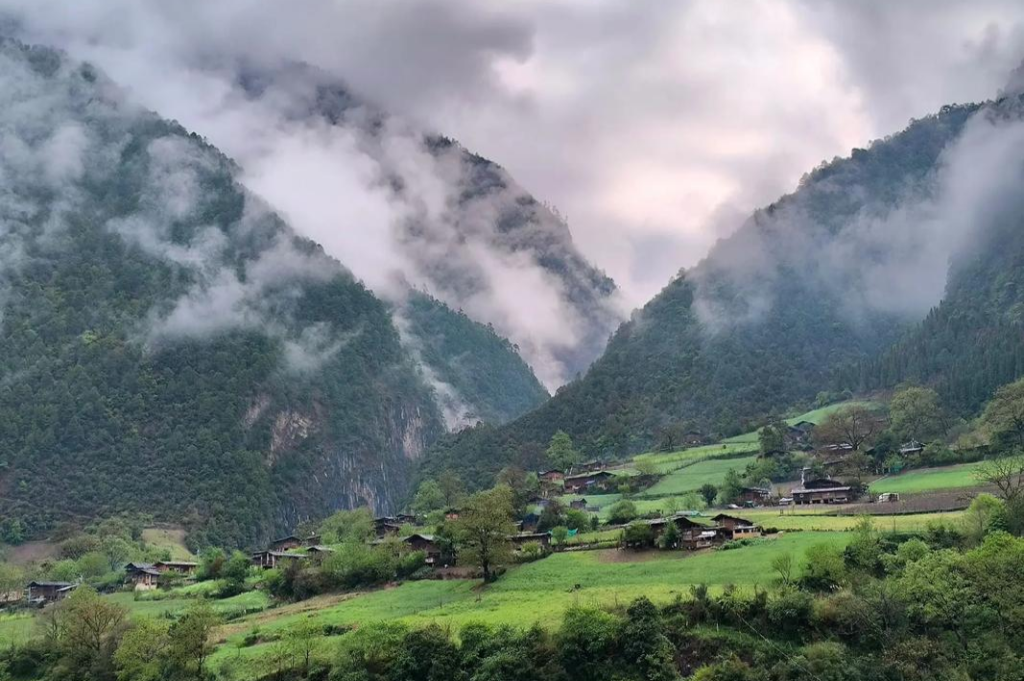
Cross into the mythical Land of Dulong’s God, an alpine wetland at 3,390 meters where snowmelt-fed marshlands transform with each season. Finally, arrive in Dulongjiang—”the last pure land on China’s southwestern frontier” and sole homeland of the Dulong people, a living museum of ethnic culture hidden between the Gaoligong and Dandanglika mountain ranges.
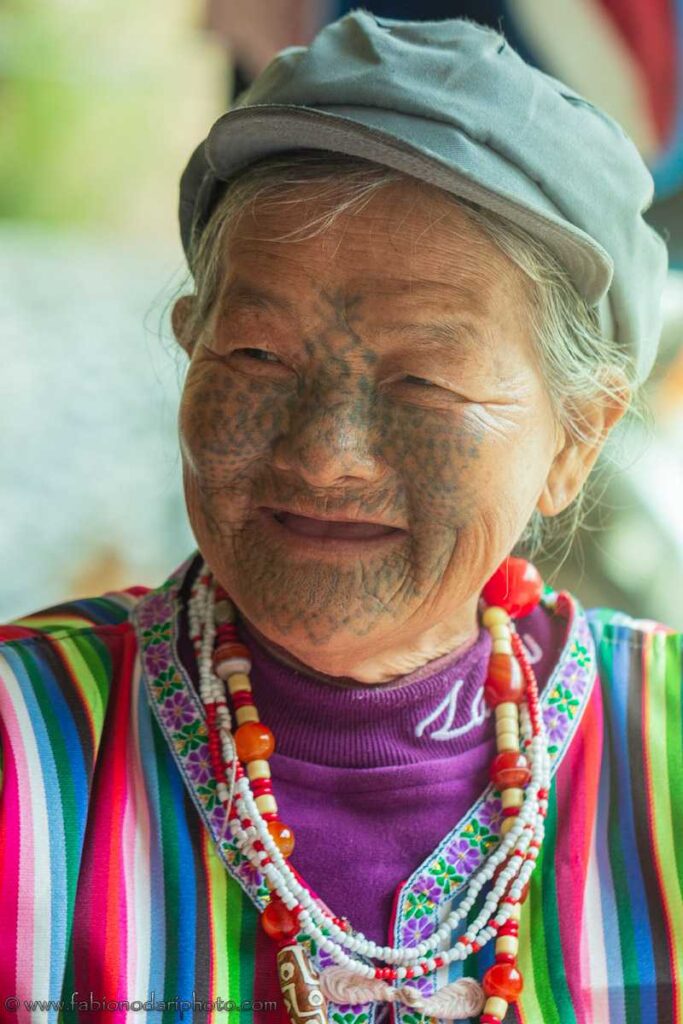
The Dulong people once practiced the unique tradition of facial tattooing for women, known as “face drawing”. However, since its discontinuation in 1967, the practice has faded into memory. Today, fewer than ten tattooed women remain in the Dulongjiang Valley.
The origins of facial tattooing remain shrouded in mystery. Some say it was meant to protect women from being taken by rival tribes; others believe it symbolized a spiritual connection, tribal identity, or the transition into adulthood. Regardless of its true beginning, each line tells a story. Over the years, these tattooed patterns stretch and soften like rivers carved into the landscape—silent witnesses to a lifetime of change.Visitors to the region are reminded to approach with deep respect. Meeting these women requires both fortune and reverence—always seek permission before photographing, honoring the dignity behind these fading cultural symbols.
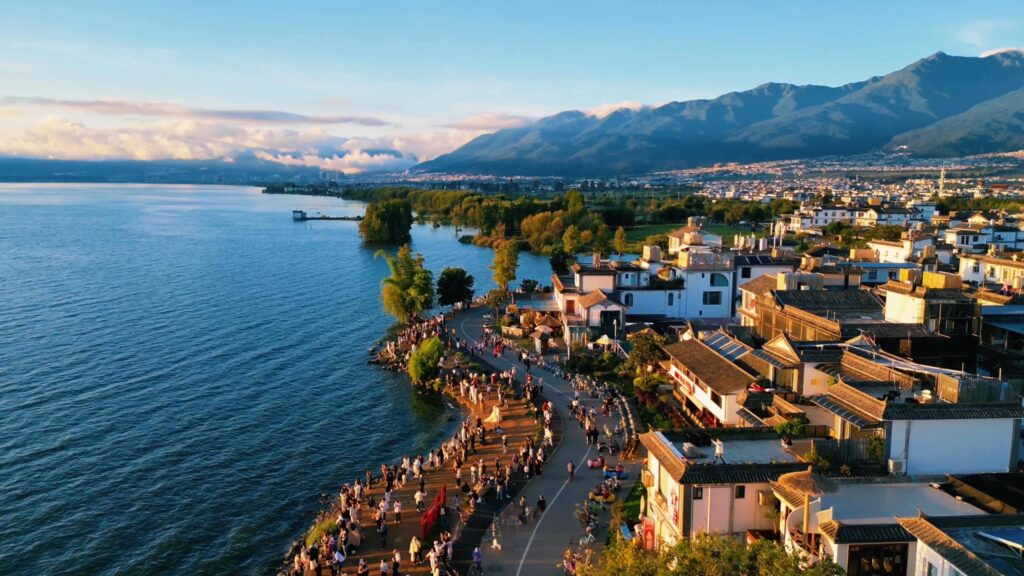
Dali Ancient Town, nestled between the Cangshan Mountains and Erhai Lake, boasts a history of over a thousand years. It once served as the capital of the Nanzhao and Dali kingdoms and later became the political and cultural center of Yunnan. The town retains its Ming-era “checkerboard” layout, characterized by a network of crisscrossing streets and lanes that invite visitors to wander through time.
Historic sites like Wuhua Tower, Honglongjing Gate, and Confucian Temple reflect Dali’s heritage, while Foreigner Street and Renmin Road blend tradition with modern energy. As night falls, the town transforms into a glowing landscape, with Guangwu Road and Yingcang Road lit by lanterns, and the eastern gate overlooking serene Erhai Lake. By day or night, Dali Ancient Town unfolds like a living painting, immersing travelers in the enduring charm of its culture and history.
Price & Services
Standard Package
- Exclusive car service for whole trip
- English-speaking guide service for whole trip
- 4 nights’ standard accommodation with breakfast
- Entrance tickets for all attractions
- English-speaking 7/12 online assistant service
- Travel insurance
Flexi-Guided Tour
- Exclusive car service for whole trip
- 4 nights’ standard accommodation with breakfast
- Entrance tickets for all attractions
- English-speaking 7/12 online assistant service
- Travel insurance
(Prices may change depending on peak-season supply and demand. For exact details, please consult ours travel planner.)
❎ Not Include:
- International & domestic transportation to/from Shangri-La or Dali
- Food and beverages (lunch and dinner)
- Personal expenses (e.g., souvenirs, snacks, extra activities)
START MY JOURNEY